Getting Around Thailand: Transportation Options Explained
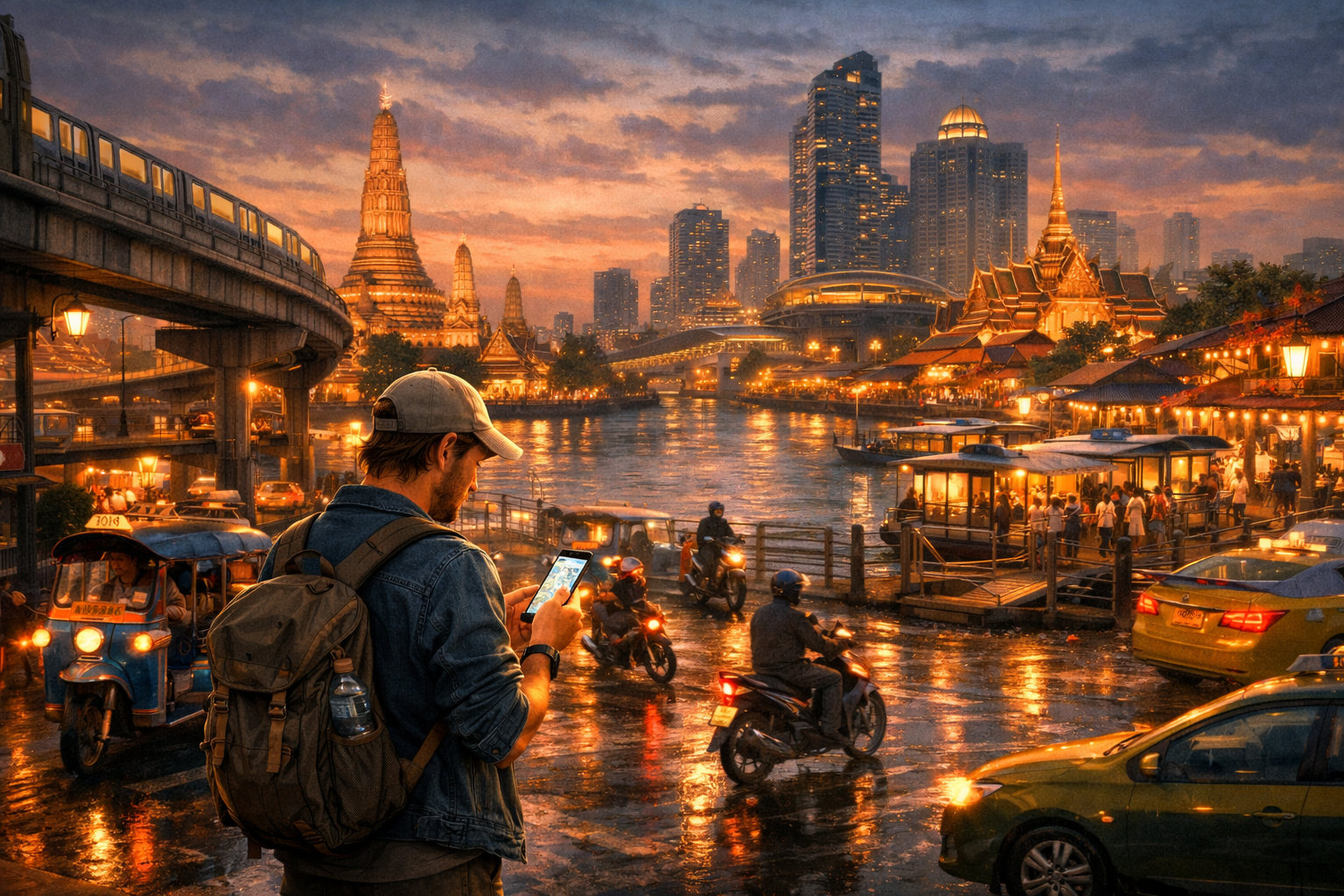
So, you’re heading to Thailand! Land of smiles, delicious food, stunning temples, and breathtaking beaches. But before you can fully immerse yourself in all that Thailand has to offer, you need to figure out how to get around. It can feel a little overwhelming at first – there are so many options! Don’t worry, this guide is here to break down everything you need to know about transportation in Thailand, from budget-friendly local choices to more comfortable (and sometimes pricier) alternatives. We’ll cover everything so you can plan your adventures with confidence.
Understanding Thailand’s Geography & Travel Distances
Before diving into the modes of transport, it's helpful to understand the lay of the land. Thailand is a long, narrow country. Bangkok, the bustling capital, is in the central region. The north boasts mountainous landscapes and cooler temperatures, while the south is famous for its stunning islands and beaches. Distances between major cities and islands can be significant, impacting your travel time and budget. A trip from Bangkok to Chiang Mai (North) is roughly 600km (373 miles), and a journey to Phuket (South) can be over 800km (497 miles).
1. Domestic Flights: The Fastest (and Often Most Convenient) Option
- When to Use It: For longer distances (over 500km/311 miles) or when you're short on time, flying is your best bet. It's also a good option if you're hopping between regions.
- Airlines: Several budget airlines operate within Thailand, including AirAsia, Nok Air, Thai Lion Air, and Thai Vietjet Air.
- Booking: Book in advance, especially during peak season (November-February) and Songkran (Thai New Year – April). Websites like Skyscanner, Kayak, and directly through the airline websites are great for finding deals.
- Airport Transfers: Bangkok has two main airports: Suvarnabhumi (BKK) for international flights and Don Mueang (DMK) primarily for domestic. From either airport, you can take the Airport Rail Link (BKK), taxis, or ride-sharing services (Grab). Other cities have smaller airports with readily available taxis and ride-sharing options.
- Cost: Expect to pay anywhere from $30-$100+ for a domestic flight, depending on the route and time of year.
2. Overnight Trains: A Classic Thai Experience
- When to Use It: A fantastic option for traveling between major cities like Bangkok, Chiang Mai, and Surat Thani (gateway to the islands). It saves you a night’s accommodation and offers a unique cultural experience.
- Classes: Trains have different classes:
- First Class: Air-conditioned, comfortable seating, often with personal entertainment systems.
- Second Class (Air-Conditioned): Air-conditioned, comfortable seating, more affordable than First Class.
- Second Class (Fan): Fan-cooled, very budget-friendly, can be quite warm.
- Sleeper: Bunk beds, offering a more comfortable sleep for overnight journeys. (Available on some routes)
- Booking: Book online through the Thai Railways website (www.railway.co.th – can be tricky to navigate, so consider using a third-party booking site like 12Go.asia). Booking in advance is essential, especially for sleeper berths.
- Cost: Ranges from $15 (fan class) to $60+ (first class sleeper).
3. Buses: The Budget-Friendly Backbone of Thai Travel
- When to Use It: For shorter to medium distances, buses are a very economical way to get around. They connect almost every town and city in Thailand.
- Types of Buses:
- VIP Buses: More comfortable with wider seats, air conditioning, and sometimes blankets and snacks.
- Ordinary Buses: Basic and affordable, but can be crowded.
- Night Buses: Air-conditioned buses with reclining seats for overnight travel.
- Booking: You can often buy tickets at bus stations or through online platforms like 12Go.asia.
- Cost: Very affordable, typically ranging from $5-$20 depending on the distance and bus type.
4. Minivans: Faster than Buses, Sometimes More Crowded
- When to Use It: Minivans are a faster alternative to buses for shorter to medium distances, especially popular for routes to and from tourist destinations.
- Pros & Cons: They're quicker but often more cramped than buses. Safety can sometimes be a concern – make sure the driver isn't speeding or driving recklessly.
- Booking: Usually booked at travel agencies or directly at minivan stations.
- Cost: Slightly more expensive than buses, typically $8-$25.
5. Taxis & Ride-Sharing (Grab): Convenient for City Travel
- Taxis: Readily available in Bangkok and other major cities. Always insist on the meter being used. If the driver refuses, find another taxi.
- Grab: Southeast Asia's equivalent of Uber. It's generally safer and more reliable than regular taxis, as you know the fare upfront. Download the Grab app before you go.
- Cost: Taxis start around 35-40 baht, with fares increasing based on distance and time. Grab prices vary depending on demand.
6. Tuk-Tuks: A Fun (but Negotiated) Experience
- When to Use It: Short distances within cities, especially for a fun, albeit slightly chaotic, experience.
- Negotiating: Always negotiate the fare before you get in. Tuk-tuk drivers are notorious for overcharging tourists.
- Safety: Tuk-tuks are open-air vehicles, so be mindful of your belongings.
- Cost: Expect to pay anywhere from 50-200 baht, depending on the distance and your negotiating skills.
7. Motorbike Rental: For the Adventurous (and Experienced)
- When to Use It: Exploring islands or rural areas at your own pace.
- Important Considerations: You need an international driving permit (IDP) to legally ride a motorbike in Thailand. Traffic can be chaotic, so only rent a motorbike if you’re a confident and experienced rider. Always wear a helmet.
- Cost: Around 200-400 baht per day.
Summary & Checklist for Getting Around Thailand
Thailand offers a fantastic range of transportation options to suit every budget and travel style. Here’s a quick checklist to help you plan:
- Define Your Itinerary: Know where you want to go and how much time you have.
- Book in Advance: Especially for flights, trains, and popular routes during peak season.
- Download the Grab App: For convenient and reliable ride-sharing.
- Negotiate Prices: With tuk-tuk drivers and taxi drivers (insist on the meter!).
- Be Aware of Safety: Especially when using minivans and motorbikes.
- Consider an International Driving Permit: If you plan to rent a motorbike.
- Embrace the Experience! Getting around Thailand can be part of the adventure.
We hope this guide has helped you feel more prepared for your travels in Thailand. Enjoy your journey and remember to soak up all the beauty and culture this incredible country has to offer! Safe travels!