How to Travel Around Thailand
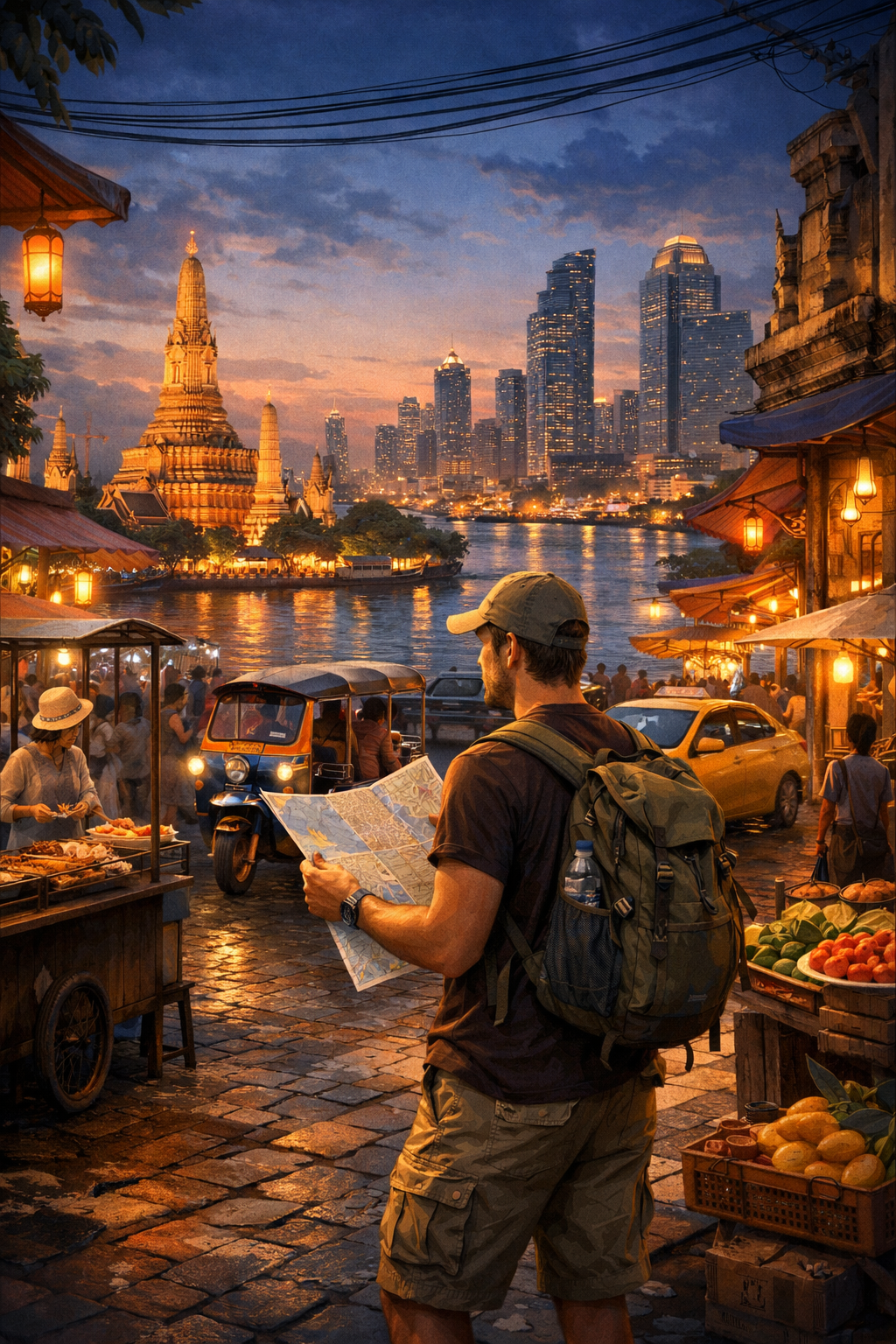
So, you're dreaming of Thailand – the fragrant street food, stunning temples, idyllic beaches, and vibrant culture. Fantastic choice! But as you start planning, you might be wondering: how do you actually get around this beautiful country? Thailand is diverse, with islands, mountains, bustling cities, and quiet rural areas. Luckily, there are plenty of options, catering to different budgets and travel styles. This guide will break down everything you need to know about traveling around Thailand, so you can confidently explore its wonders.
Understanding Thailand's Geography & Travel Distances
Before diving into transportation options, it’s helpful to understand the scale of Thailand. It's a relatively long country, north to south, and the distances between popular destinations can be significant. Bangkok, the capital, is a major transportation hub, but you’ll likely need to connect through it for many journeys.
- Northern Thailand (Chiang Mai, Chiang Rai): Known for mountains, jungles, elephant sanctuaries, and a more relaxed pace.
- Central Thailand (Bangkok, Ayutthaya): Historical sites, vibrant city life, and a gateway to other regions.
- Eastern Thailand (Isan): A less-visited region with unique culture, Khmer ruins, and rural landscapes.
- Southern Thailand (Phuket, Krabi, Koh Samui): Famous for its stunning beaches, islands, and diving/snorkeling opportunities.
1. Flights: The Fastest (and Often Most Convenient) Option
For longer distances, flying is often the best solution. Thailand has a well-developed domestic airline network.
- Airlines to Consider: Look into Thai Lion Air, Nok Air, Thai Vietjet Air, and Bangkok Airways. These budget airlines offer competitive prices, especially if you book in advance.
- Booking Tips: Use comparison websites like Skyscanner, Google Flights, or Kayak to find the best deals. Be aware of baggage allowances, which can vary.
- Airport Transfers: Bangkok has two main airports: Suvarnabhumi (BKK) and Don Mueang (DMK). Both are well-connected to the city center via Airport Rail Link, taxis, and buses. Other airports (like Phuket's HKT and Chiang Mai's CNX) have similar options.
- When to Fly: Flying is great for covering large distances quickly, such as Bangkok to Phuket or Chiang Mai to Koh Samui.
2. Trains: A Scenic and Comfortable Experience
Thailand's train network is a reliable and often scenic way to travel, especially for longer journeys.
- Types of Trains:
- Sleeper Trains: Offer comfortable berths (upper, lower, or first class) for overnight travel. These are popular for routes like Bangkok to Chiang Mai. Book well in advance, especially during peak season.
- Express Trains: Faster than local trains, but don't have sleeper berths.
- Local Trains: The slowest and cheapest option, often stopping at every station.
- Booking Tickets: You can book online through the Thai Railways website (www.railway.co.th - it can be a little tricky to navigate, so patience is key!) or at train stations. Booking in person is also possible, but can be crowded.
- Pros: Relaxing, scenic views, often cheaper than flying (especially sleeper trains).
- Cons: Slower than flying, can be crowded.
3. Buses: The Budget-Friendly Choice
Buses are the most economical way to travel long distances in Thailand.
- Types of Buses: VIP buses are the most comfortable, with reclining seats and air conditioning. Regular buses are cheaper but less comfortable.
- Booking Tickets: You can buy tickets at bus stations (Moradok terminals) or through online platforms like 12Go.asia.
- Night Buses: A great option for saving on accommodation costs and covering long distances overnight.
- Pros: Affordable, extensive network.
- Cons: Can be long and uncomfortable, especially on regular buses.
4. Ferries & Speedboats: Island Hopping Adventures
To explore Thailand's stunning islands, you’ll rely on ferries and speedboats.
- Booking: Book through your hotel, guesthouse, or online platforms like 12Go.asia. Booking in advance is recommended, especially during peak season.
- Speedboats vs. Ferries: Speedboats are faster and more expensive, while ferries are slower and more budget-friendly.
- Safety: Always check the safety record of the boat operator before booking.
- Seasickness: If you're prone to seasickness, take medication beforehand.
5. Taxis & Ride-Hailing Apps: Getting Around Cities
Within cities, taxis, tuk-tuks, and ride-hailing apps are your go-to options.
- Taxis: Make sure the driver uses the meter. If they refuse, find another taxi.
- Tuk-Tuks: A fun and iconic way to get around, but negotiate the price before you get in.
- Ride-Hailing Apps (Grab): Grab is the dominant ride-hailing app in Thailand and is generally more reliable and transparent than traditional taxis.
- Motorbike Taxis: A quick and cheap option, but only for experienced riders. Ensure the driver provides a helmet.
6. Renting a Scooter/Motorbike: Freedom & Flexibility (with Caution!)
Renting a scooter can be a great way to explore at your own pace, especially in areas with scenic routes. However, proceed with extreme caution.
- Requirements: You legally need an International Driving Permit (IDP) with a motorcycle endorsement. While many tourists rent scooters without one, it's important to be aware of the legal implications.
- Safety: Wear a helmet! Thai roads can be chaotic, and accidents are common. Be confident and experienced before renting a scooter.
- Insurance: Make sure your travel insurance covers scooter accidents.
- Inspection: Thoroughly inspect the scooter for any existing damage before renting and document it.
Summary: Your Thailand Transportation Toolkit
Traveling around Thailand is an adventure in itself! Here's a quick recap:
- Long Distances: Flights are fastest, trains offer a scenic experience, and buses are the most budget-friendly.
- Island Hopping: Ferries and speedboats are essential.
- City Travel: Taxis, tuk-tuks, and Grab are readily available.
- Scooter Rental: A fun option, but requires caution and a valid license.
Checklist Before You Go:
- [ ] Research your route and book transportation in advance, especially during peak season.
- [ ] Download the Grab app for easy and reliable transportation in cities.
- [ ] Consider an International Driving Permit if you plan to rent a scooter.
- [ ] Pack seasickness medication if you're prone to motion sickness.
- [ ] Be aware of your surroundings and prioritize safety.
Now you're armed with the knowledge to navigate Thailand like a pro. Have a fantastic trip! Don’t be afraid to embrace the unexpected and enjoy the journey. Sawasdee Krap/Ka! (Hello!)