Unlocking the Flavors of Thailand: A Beginner's Guide to Thai Food (5)
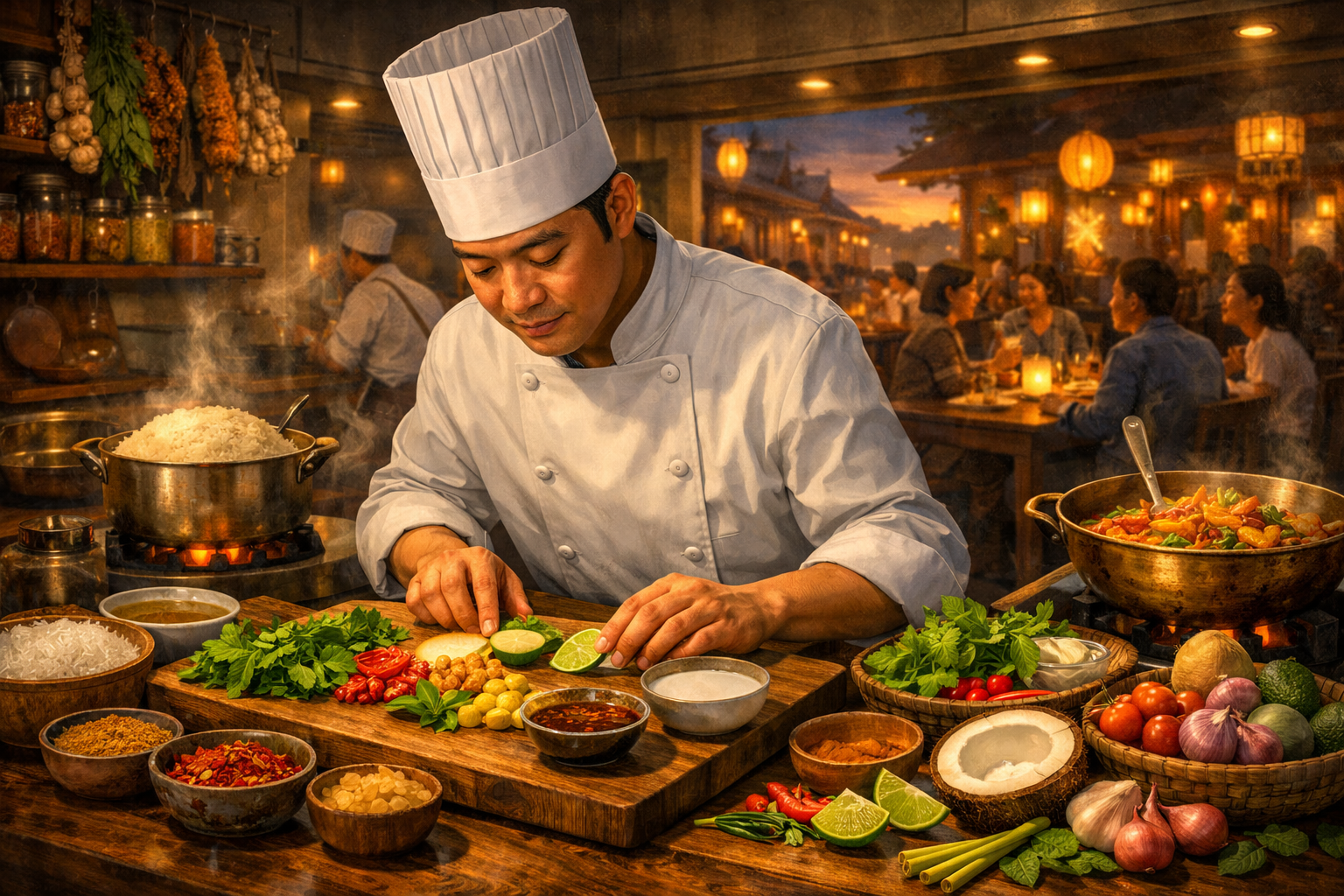
Ever walked past a Thai restaurant and been drawn in by the intoxicating aromas, only to feel overwhelmed by the menu? Or perhaps you’ve tried Thai food once and found it a bit…confusing? You're not alone! Thai cuisine is incredibly diverse, layered with complex flavors, and can seem intimidating to newcomers. But don't worry! This guide is designed to demystify Thai food, helping you navigate menus with confidence and appreciate the artistry behind each dish. We'll break down the core principles, common ingredients, and popular dishes, so you can truly enjoy the incredible world of Thai flavors.
Understanding the Foundations: The Five Fundamental Flavors
Thai cuisine isn’t just about throwing ingredients together. It’s a delicate balance of five fundamental flavors: sweet, sour, salty, bitter, and spicy. A truly great Thai dish will harmonize all five, creating a complex and satisfying taste experience. While some dishes might emphasize one flavor over another (like a fiery green curry), the underlying goal is always balance.
- Sweet: Often comes from palm sugar, which has a distinctive caramel-like flavor. It’s used to round out the sharpness of other ingredients.
- Sour: Typically achieved with lime juice, tamarind paste, or vinegar. It provides a refreshing tang and cuts through richness.
- Salty: Usually from fish sauce (nam pla), a cornerstone of Thai cooking. It adds umami and depth of flavor. Don't be afraid of it – it's used in moderation and contributes significantly to the overall taste.
- Bitter: Found in ingredients like Thai basil, some leafy greens, and certain herbs. It adds complexity and a unique dimension to the flavor profile.
- Spicy: Derived from fresh chilies, chili paste, and chili powder. The level of spiciness varies greatly, so be sure to communicate your preference when ordering!
Key Ingredients: Building Blocks of Thai Deliciousness
Knowing a few key ingredients will help you understand what you’re ordering and appreciate the nuances of Thai cooking.
- Fish Sauce (Nam Pla): As mentioned, this is essential. It's a fermented fish product and the backbone of many Thai sauces and marinades.
- Palm Sugar: Provides a unique sweetness that’s different from refined sugar.
- Lime Juice: Adds a bright, acidic kick.
- Galangal: A rhizome similar to ginger but with a more citrusy, piney flavor. Often confused with ginger, it’s a vital ingredient in many curries and soups.
- Lemongrass: A fragrant herb with a lemony scent and flavor.
- Kaffir Lime Leaves: Highly aromatic leaves used to infuse flavor into dishes.
- Thai Basil: Has a distinct anise-like flavor, different from Italian basil.
- Chilies: Used in various forms – fresh, dried, and ground into pastes – to add heat.
- Tamarind Paste: Made from the pulp of the tamarind fruit, it provides a sour and fruity flavor.
Popular Thai Dishes: A Taste of What Awaits
Let's explore some classic Thai dishes, categorized by their general style.
- Soups:
- Tom Yum Soup: A hot and sour soup typically made with shrimp (Tom Yum Goong), chicken (Tom Yum Gai), or mushrooms (Tom Yum Hed). It’s bursting with lemongrass, galangal, kaffir lime leaves, chilies, and lime juice.
- Tom Kha Gai: A creamy coconut milk soup with chicken, galangal, lemongrass, and mushrooms. It's milder than Tom Yum but still incredibly flavorful.
- Curries:
- Green Curry (Gaeng Keow Wan): A vibrant and aromatic curry made with green chilies, coconut milk, Thai basil, and often bamboo shoots and eggplant. Usually served with chicken, beef, or tofu.
- Red Curry (Gaeng Daeng): Similar to green curry but made with red chilies, resulting in a slightly less intense flavor.
- Massaman Curry (Gaeng Massaman): A milder, sweeter curry influenced by Persian and Indian cuisine. It often includes potatoes, peanuts, and warming spices like cinnamon and cardamom.
- Noodles:
- Pad Thai: Arguably the most famous Thai dish, Pad Thai is stir-fried rice noodles with shrimp or chicken, tofu, peanuts, bean sprouts, and a tangy tamarind-based sauce.
- Pad See Ew: Wide rice noodles stir-fried with Chinese broccoli, egg, and a dark soy sauce-based sauce.
- Rice Dishes:
- Khao Pad (Thai Fried Rice): A simple but delicious dish of rice stir-fried with vegetables, meat (chicken, pork, or shrimp), and egg.
- Mango Sticky Rice (Khao Niao Mamuang): A classic dessert made with sweet sticky rice, fresh mango, and coconut milk.
- Salads:
- Som Tum (Papaya Salad): A spicy and refreshing salad made with shredded green papaya, tomatoes, green beans, peanuts, chilies, lime juice, and fish sauce.
Navigating the Menu: Tips for Ordering
- Spice Level: Don’t be afraid to ask for “mai phet” (not spicy) or specify your preferred level of heat. Thai restaurants often serve dishes very spicy by default.
- Dietary Restrictions: Most Thai restaurants are accommodating to dietary restrictions. Clearly communicate any allergies or preferences (vegetarian, vegan, gluten-free).
- Sharing is Caring: Thai food is often served family-style, so consider ordering several dishes to share and experience a wider range of flavors.
- Don’t Be Afraid to Experiment: Try something new! Thai cuisine is full of surprises, and you might discover your new favorite dish.
Summary: Your Thai Food Journey Starts Now!
Exploring Thai cuisine is a rewarding adventure. By understanding the fundamental flavors, key ingredients, and popular dishes, you’re well on your way to becoming a more confident and appreciative diner. Remember that balance is key, and don’t hesitate to ask questions or request modifications to suit your taste.
Your Checklist for Thai Food Success:
- [ ] Familiarize yourself with the five fundamental flavors.
- [ ] Learn to recognize a few key Thai ingredients.
- [ ] Try at least one new Thai dish on your next visit.
- [ ] Communicate your spice preference clearly.
- [ ] Embrace the adventure and enjoy the incredible flavors of Thailand!
Now, go forth and explore the delicious world of Thai food! Your taste buds will thank you.