Thai Food (4)
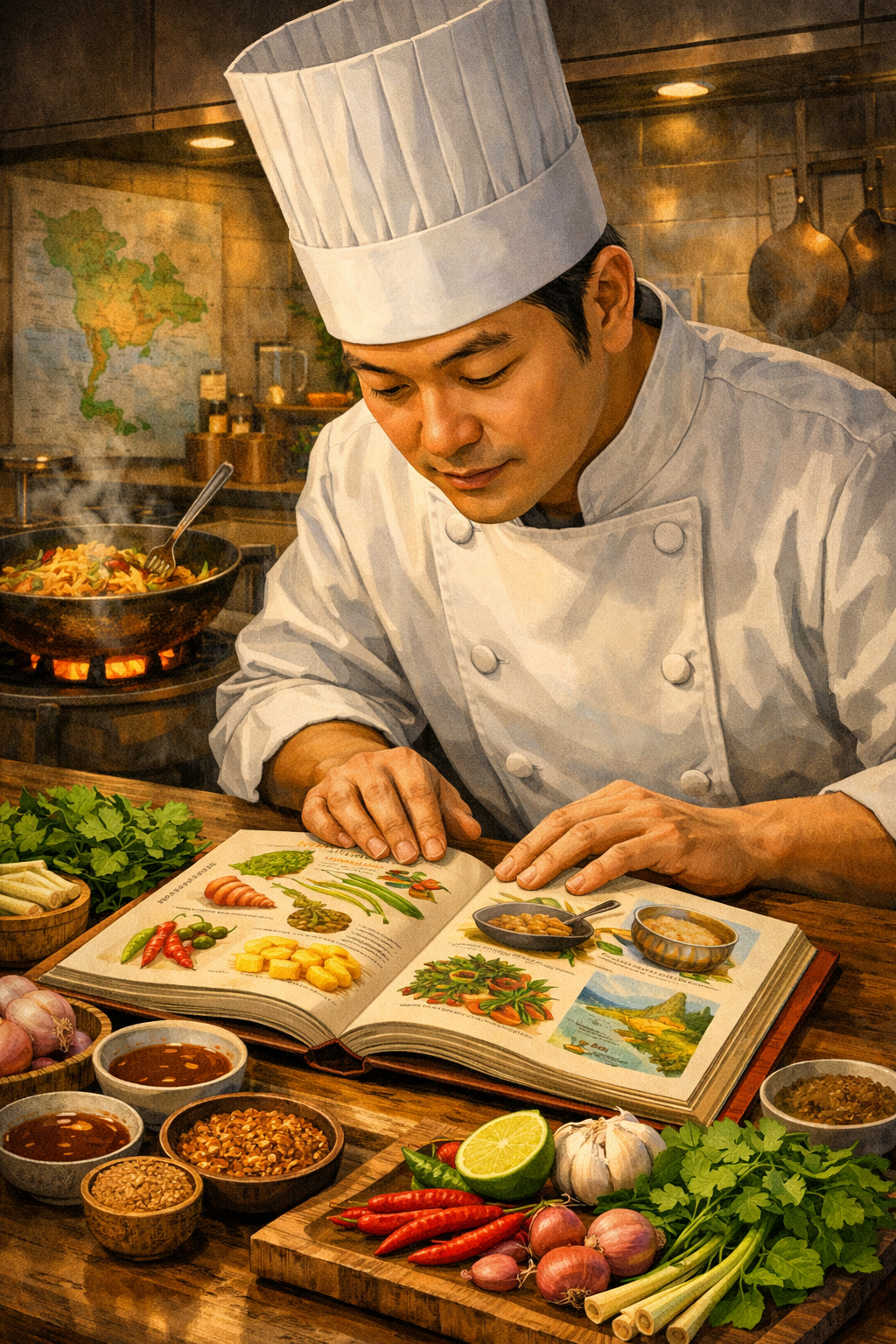
Ever Wondered What Makes Thai Food So Delicious? A Beginner's Guide to Understanding Thai Cuisine
Have you ever savored a plate of Pad Thai and thought, "This is incredible! But what is Thai food, really?" Or perhaps you're looking to expand your cooking repertoire beyond basic recipes and want to dive into the vibrant world of Thai flavors. You're not alone! Thai cuisine is renowned globally for its complexity, balance, and deliciousness. This guide will break down the fundamentals, helping you understand the key ingredients, cooking techniques, and regional variations that make Thai food so special. Let’s embark on this culinary journey together!
The Five Fundamental Flavors: The Balancing Act of Thai Cooking
Thai food isn't just about throwing random ingredients together. It's a meticulously crafted balance of five core flavors: sweet, sour, salty, spicy, and bitter. Mastering this balance is what separates a mediocre Thai dish from an exceptional one.
- Sweet: Often derived from palm sugar (nam tan pip), sweetness balances the heat and acidity. It's not an overpowering sweetness, but a subtle undertone that enhances the other flavors.
- Sour: Lime juice, tamarind paste, and vinegar are commonly used to provide that characteristic tang. This acidity cuts through richness and adds complexity.
- Salty: Fish sauce (nam pla) is the cornerstone of Thai seasoning. It’s far more nuanced than table salt, adding umami and depth. Soy sauce is also used, particularly in dishes with Chinese influence.
- Spicy: Chilies, fresh and dried, are essential. The level of spiciness varies greatly depending on the dish and personal preference. Don't be afraid to ask for "mai phet" (not spicy) if you’re unsure!
- Bitter: Often overlooked, bitterness adds a layer of sophistication. Herbs like holy basil (bai gaprao), Thai basil (bai horapa), and even certain vegetables contribute to this flavor profile.
The true art of Thai cooking lies in harmonizing these five flavors in each dish.
Key Ingredients: Your Thai Pantry Essentials
Building a basic Thai pantry is the first step towards recreating authentic flavors at home. Here's a list of ingredients you'll find yourself using repeatedly:
- Fish Sauce (Nam Pla): The single most important ingredient. Look for a good quality brand – the difference is noticeable.
- Palm Sugar (Nam Tan Pip): Provides a unique sweetness. Brown sugar can be substituted in a pinch, but the flavor won't be quite the same.
- Lime Juice: Freshly squeezed is always best.
- Chilies: Bird's eye chilies are traditional, but adjust the type and quantity to your spice tolerance.
- Garlic & Ginger: These aromatics form the base of many Thai dishes.
- Lemongrass: Adds a bright, citrusy aroma. Use the lower, more tender part of the stalk.
- Galangal: Similar to ginger but with a more citrusy, piney flavor. It's often confused with ginger, but it’s a distinct ingredient.
- Kaffir Lime Leaves: Fragrant leaves used to infuse flavor into curries and soups.
- Thai Basil (Bai Horapa): Distinct from Italian basil, with a licorice-like flavor.
- Holy Basil (Bai Gaprao): A more pungent basil used in Pad Kra Pao.
- Tamarind Paste: Provides a sour, fruity flavor, often used in Pad Thai and Massaman Curry.
- Coconut Milk: Essential for many curries and soups. Use full-fat coconut milk for the richest flavor.
- Rice Noodles: Various thicknesses are used for different dishes.
Regional Variations: A Taste of Thailand's Diversity
Thailand isn't a monolithic culinary landscape. Different regions boast unique flavors and specialties:
- Central Thai: This is often what people think of when they picture Thai food – dishes like Pad Thai, Green Curry, and Tom Yum soup. It’s characterized by a balance of sweet, sour, salty, and spicy flavors.
- Northern Thai (Lanna Cuisine): Influenced by Burmese and Chinese cuisines, Northern Thai food is milder and features ingredients like sticky rice, pork, and fermented soybeans. Khao Soi (a coconut curry noodle soup) is a signature dish.
- Northeastern Thai (Isan Cuisine): Known for its bold, spicy flavors and grilled meats. Som Tum (papaya salad) and Laap (minced meat salad) are iconic Isan dishes. Fermented fish sauce (pla ra) is commonly used.
- Southern Thai: Heavily influenced by Malaysian and Indonesian cuisines, Southern Thai food is often richer and spicier, featuring more seafood and coconut milk. Curry leaves are frequently used.
Cooking Techniques: Stir-Frying, Curries, and More
Understanding basic Thai cooking techniques will help you recreate authentic dishes.
- Stir-Frying (Pad): A quick cooking method using high heat and a wok. Ingredients are typically prepped and ready to go before cooking begins.
- Curry Making: Thai curries are built upon a curry paste base, which is then cooked with coconut milk and other ingredients. Red, green, yellow, and Massaman are common curry varieties.
- Soup Making (Tom): Thai soups, like Tom Yum, are characterized by their aromatic broth and balance of flavors.
- Grinding Curry Pastes: While you can buy pre-made curry pastes, making your own from scratch allows you to control the ingredients and spice level. It’s a bit of work, but incredibly rewarding.
Beyond the Plate: Etiquette and Appreciation
Thai food is often enjoyed family-style, with multiple dishes served at once to be shared. Rice is the staple accompaniment. Using a fork to push food onto your spoon is common practice. Don’t be afraid to try new things and ask questions – Thai people are generally very proud of their cuisine and happy to share it!
Your Thai Culinary Adventure: A Quick Recap & Checklist
Thai food is a beautiful tapestry of flavors and techniques. While it might seem daunting at first, breaking it down into manageable steps makes it accessible to everyone.
Here’s a quick checklist to help you on your journey:
- [ ] Understand the Five Fundamental Flavors: Sweet, Sour, Salty, Spicy, Bitter.
- [ ] Stock Your Pantry: Prioritize fish sauce, palm sugar, lime juice, and chilies.
- [ ] Explore Regional Variations: Try dishes from different regions to discover new flavors.
- [ ] Master Basic Techniques: Start with simple stir-fries and move on to curries.
- [ ] Embrace the Experience: Don’t be afraid to experiment and have fun!
Now, go forth and create your own delicious Thai masterpieces! Aroy mak mak! (Very delicious!)