The Art of Giving and Receiving Gifts in Thailand
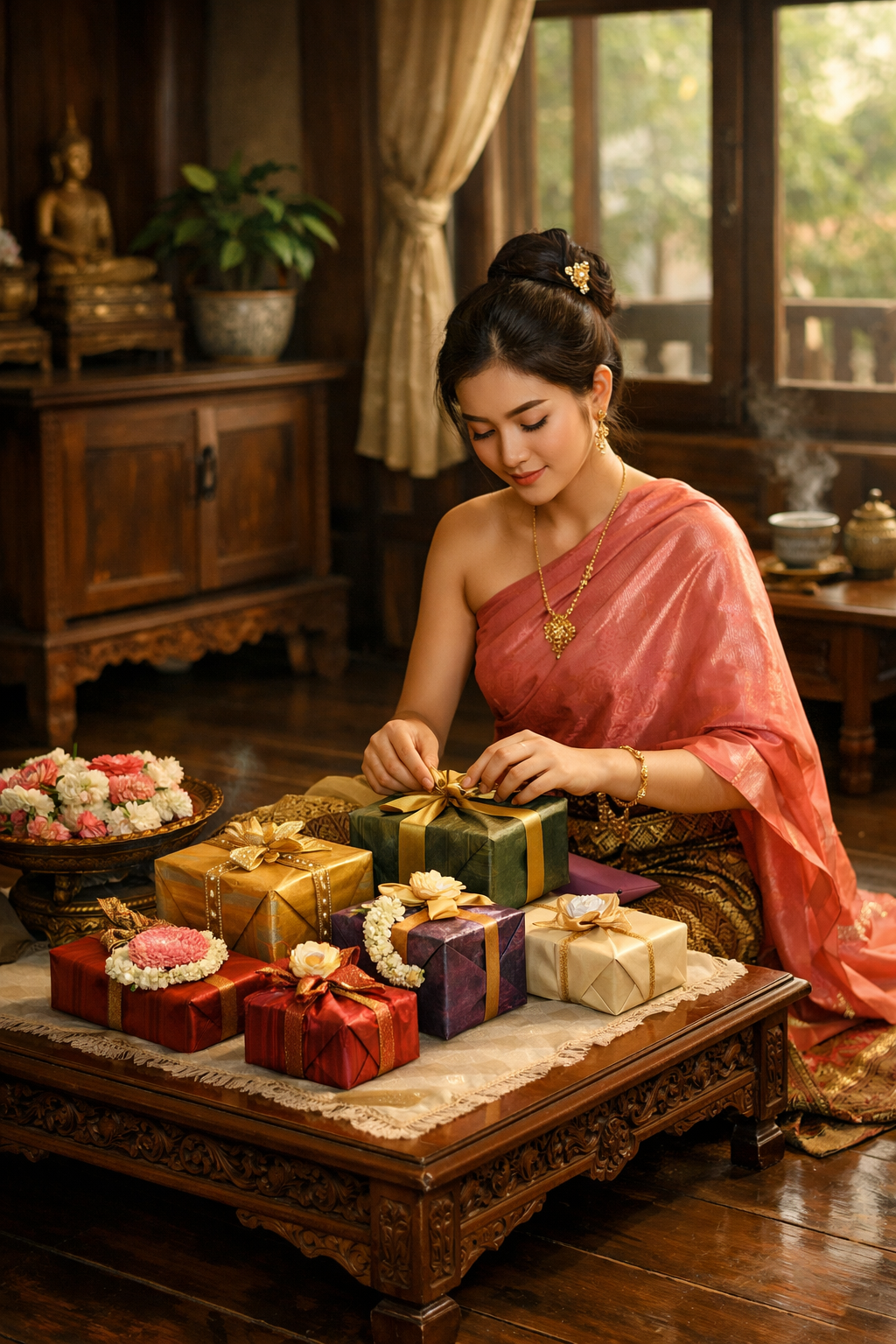
As a tourist in Thailand, you may have wondered about the etiquette surrounding gifts. With its rich culture and customs, giving and receiving gifts can be a daunting experience if you're not familiar with the local norms. In this guide, we'll walk you through the art of giving and receiving gifts in Thailand, ensuring that your experiences are filled with joy and appreciation.
Understanding the Culture
Before we dive into the specifics of gift-giving, it's essential to understand Thai culture. Thais place great importance on respect, politeness, and social harmony. Gift-giving is a significant part of this culture, often used as a symbol of gratitude, friendship, or respect. When giving gifts, keep in mind that the intention behind your gesture is just as important as the gift itself.
What to Give
When deciding what to give as a gift, consider the following:
- Avoid giving anything too expensive: Thais value modesty and humility, so avoid giving gifts that may be perceived as too extravagant.
- Choose something practical or symbolic: Gifts that serve a purpose or hold sentimental value are often appreciated. For example, a beautiful piece of Thai silk can be used to make clothing or accessories.
- Consider the occasion: When visiting someone's home, bring a small gift like fruit, snacks, or a bouquet of flowers as a sign of respect. At a temple or shrine, avoid giving gifts that may be perceived as too flashy or attention-seeking.
Some popular and thoughtful gift ideas include:
- A beautiful piece of handcrafted jewelry
- A set of traditional Thai clothing or accessories
- A decorative item for the home, such as a Buddha statue or intricately carved wooden box
- A bag of high-quality coffee or tea from a local roaster
How to Give
When giving gifts in Thailand, follow these tips:
- Wrap your gift nicely: Use colorful paper or cloth to add an extra touch of thoughtfulness.
- Use both hands when giving: This is a sign of respect and will be appreciated by the recipient.
- Be mindful of the occasion: If you're visiting someone's home, it's customary to give your gift with your right hand. At a temple or shrine, use your left hand to show reverence.
Receiving Gifts
When receiving gifts in Thailand, keep these tips in mind:
- Show gratitude and respect: Express your appreciation with a smile, a bow, and a few polite phrases like "Khop khun krap" (thank you very much) or "Mai ow hai" (you're welcome).
- Open the gift carefully: When opening a gift, do so slowly and deliberately to show that you value the effort put into wrapping it.
- Be mindful of your words: Avoid criticizing or making negative comments about the gift, as this can be perceived as rude.
Tips for Tourists
As a tourist in Thailand, here are some additional tips to keep in mind:
- Don't give gifts made from endangered species or materials: This includes items like elephant tusks or coral.
- Be respectful of cultural traditions: Avoid giving gifts that may be considered taboo or inappropriate, such as giving clocks or watches (these can symbolize the end of a relationship).
- Learn some basic Thai phrases: Showing an effort to communicate in Thai will be appreciated by locals and can enhance your gift-giving experience.
Summary
Giving and receiving gifts in Thailand requires thoughtfulness, respect, and understanding of local customs. By following these tips, you'll be able to navigate the art of gift-giving with ease and confidence. Remember to choose gifts that are thoughtful and practical, wrap them nicely, and show gratitude when receiving. With these guidelines, you'll be well on your way to making meaningful connections with the Thai people.
Checklist
Before giving or receiving a gift in Thailand:
- Choose a gift that is thoughtful and practical
- Wrap it nicely using colorful paper or cloth
- Use both hands when giving
- Show gratitude and respect when receiving
- Be mindful of cultural traditions and customs
By following these guidelines, you'll be able to participate in the art of gift-giving with confidence and appreciation. Happy travels!