Understanding the Wai: A Guide to Proper Thai Greetings
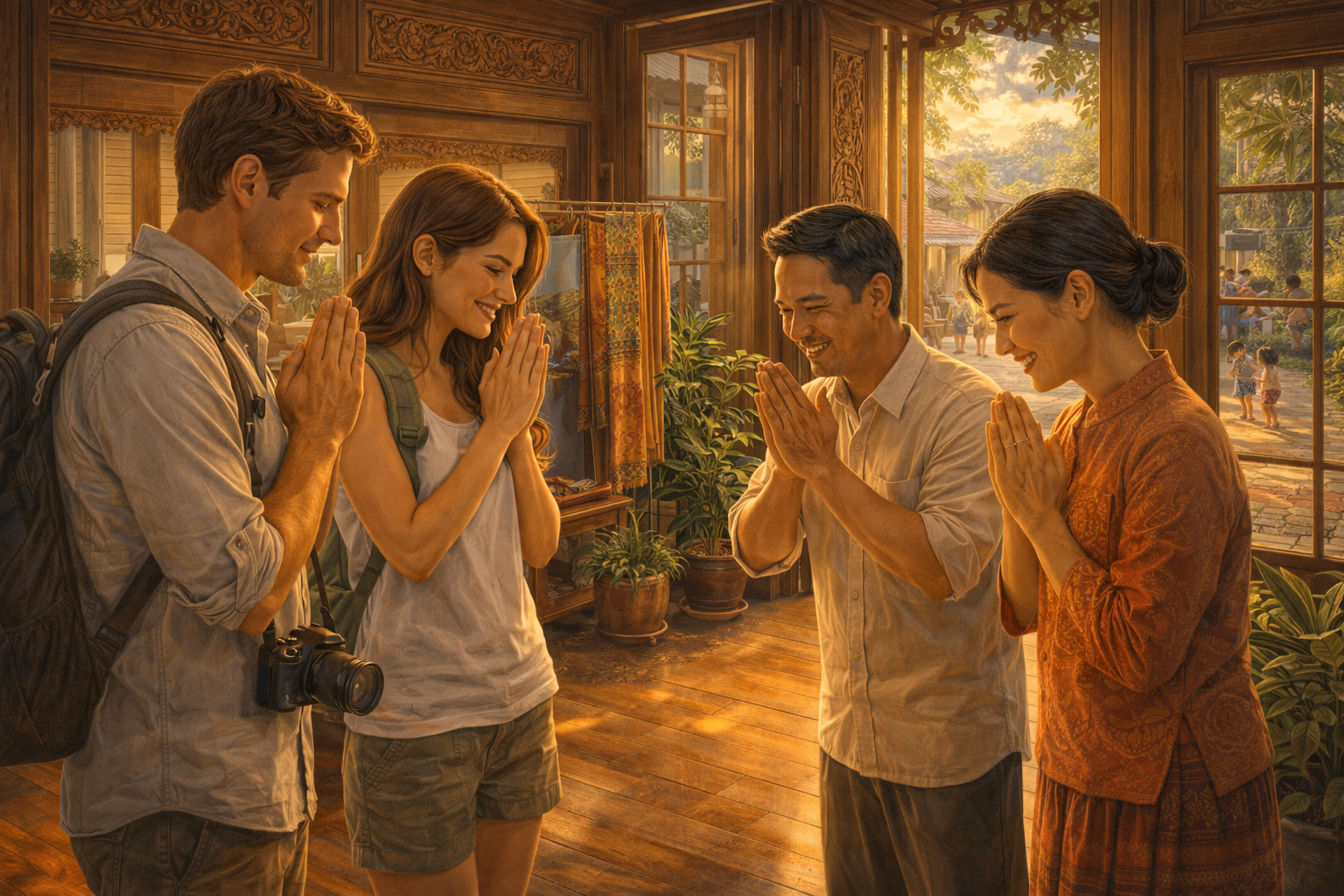
As a tourist in Thailand, you've likely been greeted with a series of bows, hands pressed together, and warm smiles. The wai, or traditional Thai greeting, can be intimidating at first, but it's an essential part of showing respect and building connections with the locals. In this guide, we'll break down the ins and outs of the wai, helping you navigate these intricate gestures and leave a lasting impression on your hosts.
What is the Wai?
The wai is a sign of respect, gratitude, and appreciation that's deeply rooted in Thai culture. It involves placing the palms together in front of the chest, with the fingers pointing upwards, and bowing slightly. This simple yet powerful gesture can be used as a greeting, to say thank you, or even to show sympathy.
Mastering the Basic Wai
To start, let's focus on the basic wai:
- Hands together: Place your palms together in front of your chest, with your fingers pointing upwards. This is the foundation of the wai.
- Bend slightly: Gently bend forward at the waist, keeping your back straight and your knees slightly bent. The amount of bending will vary depending on the situation and the person you're greeting.
- Eyes up: Keep your eyes focused upward, towards the person you're greeting or the direction they're facing. This shows respect and attention.
When to Use the Wai
Now that you know the basic wai, let's explore when to use it:
- Greet someone: Use the wai as a greeting when meeting someone for the first time, saying goodbye, or acknowledging someone's presence.
- Show gratitude: Express your appreciation by using the wai after receiving something, such as a gift or assistance.
- Show respect: Use the wai to show respect to elders, people in positions of authority, or those you admire.
Tips and Variations
To take your wai skills to the next level:
- Timing is everything: Pay attention to when you're using the wai. In Thailand, it's customary to use the wai before speaking, as a sign of respect.
- Adjust for situations: Be mindful of the situation and adjust your bow accordingly. For example, in a crowded street or public place, a smaller bow may be more suitable.
- Practice makes perfect: The more you practice the wai, the more natural it will become.
Common Wai Mistakes to Avoid
Don't let these common mistakes hold you back:
- Not using the wai at all: Failing to use the wai can come across as rude or disrespectful.
- Using too much force: Be gentle when bending forward, as excessive force can be perceived as insincere.
- Leaving your hands apart: Remember to keep your palms together throughout the entire gesture.
Conclusion and Checklist
Mastering the wai takes time and practice, but with this guide, you're well on your way to becoming a pro! Here's a quick checklist to help you remember:
- Hands together
- Bend slightly
- Eyes up
Remember to use the wai in various situations, such as greetings, showing gratitude, and expressing respect. Don't be afraid to make mistakes – it's all part of the learning process!
As you navigate Thailand's vibrant culture and stunning landscapes, take a moment to appreciate the small gestures that can make a big difference. The wai is more than just a greeting; it's a symbol of respect, gratitude, and connection. By incorporating this traditional Thai gesture into your daily interactions, you'll not only show respect but also forge deeper bonds with the people you meet along the way.
Start your Thai adventure today by mastering the wai!