Thailand's Upper Regions to Experience Sweltering Heat Over Easter Weekend
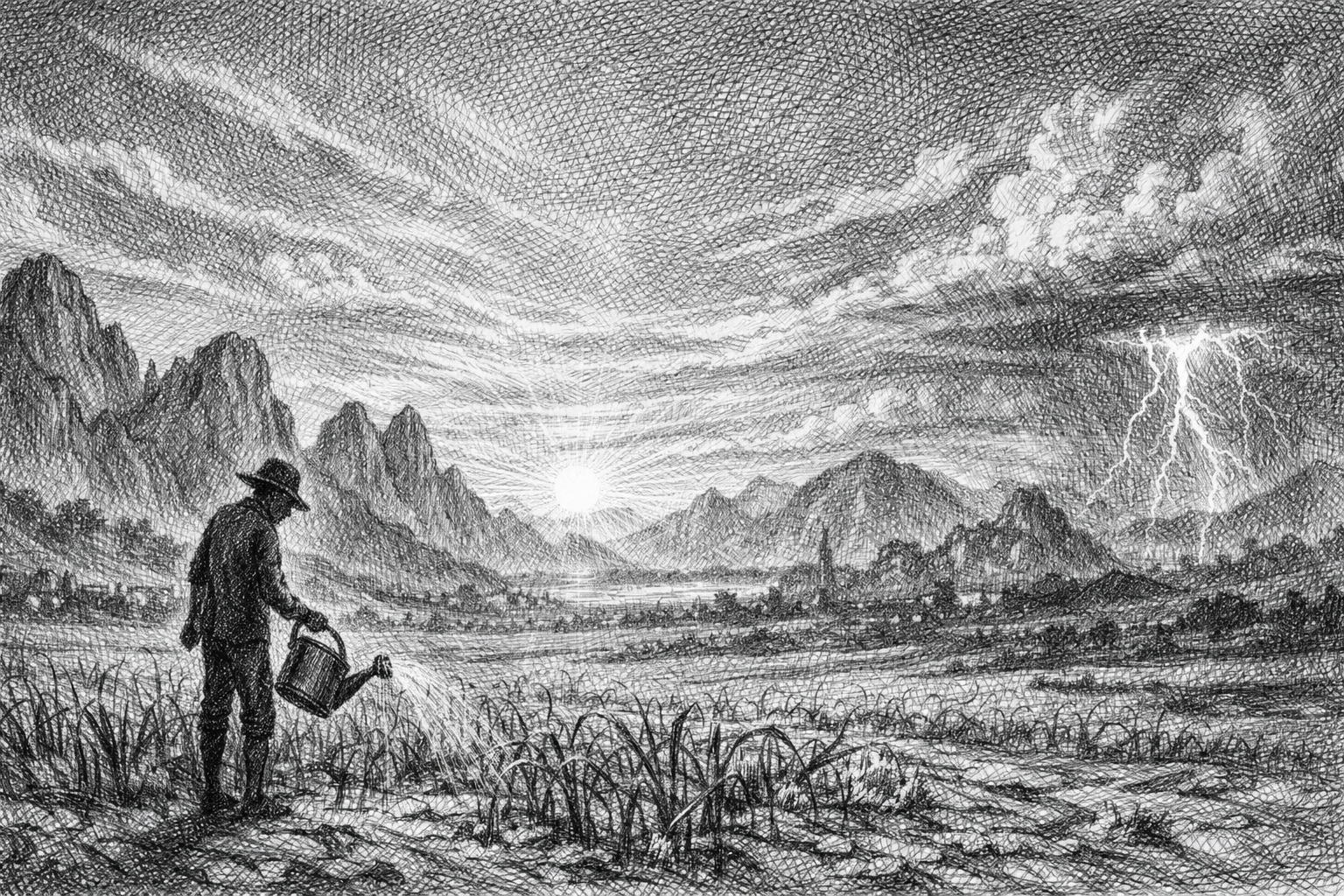
Thailand's upper regions are bracing themselves for a scorching hot weekend ahead, with temperatures set to rise significantly over the next 24 hours. From April 28 to May 1, residents in areas such as Chiang Mai, Chiang Rai, Phayao, Nan, Uttaradit, Phitsanulok, and Phetchabun can expect extremely hot conditions during the day, with temperatures reaching extreme highs. The heat is expected to be accompanied by thunderstorms and strong winds in some places due to low atmospheric pressure caused by the intense heat.
Additionally, dust particles are still accumulating in some areas of the north due to dense heat points, exceeding standard levels. This poses a risk to residents' health, making it essential for them to take precautions. Residents are advised to avoid outdoor activities and wear N95 masks when outside buildings for safety reasons.
The hot weather is expected to continue, with temperatures reaching extreme highs during the day. Rain showers are also predicted in 20% of areas, mainly affecting the northern regions. As the heat wave persists, residents should remain vigilant and take necessary precautions to ensure their safety.
SMART-ANALYSIS
This development connects to the larger trend of climate change-induced weather extremes, which suggests that global temperature fluctuations can have significant regional impacts. The implications are far-reaching, with industries such as agriculture and tourism potentially affected by the heat wave, while citizens in the upper regions may experience health risks due to poor air quality. Governments may need to reassess their disaster preparedness strategies to account for these types of events.
Markets could also be impacted if supply chains are disrupted or tourist attractions are forced to close. This could indicate a need for more resilient infrastructure and emergency planning measures. Two plausible scenarios for what happens next include the heat wave dissipating within a few days, allowing for a return to normal weather patterns, or the heat wave persisting longer-term, potentially leading to more severe consequences such as droughts or wildfires.

Comments
* Required Field
** Required Field.(will not be published)