Thai Food (1)
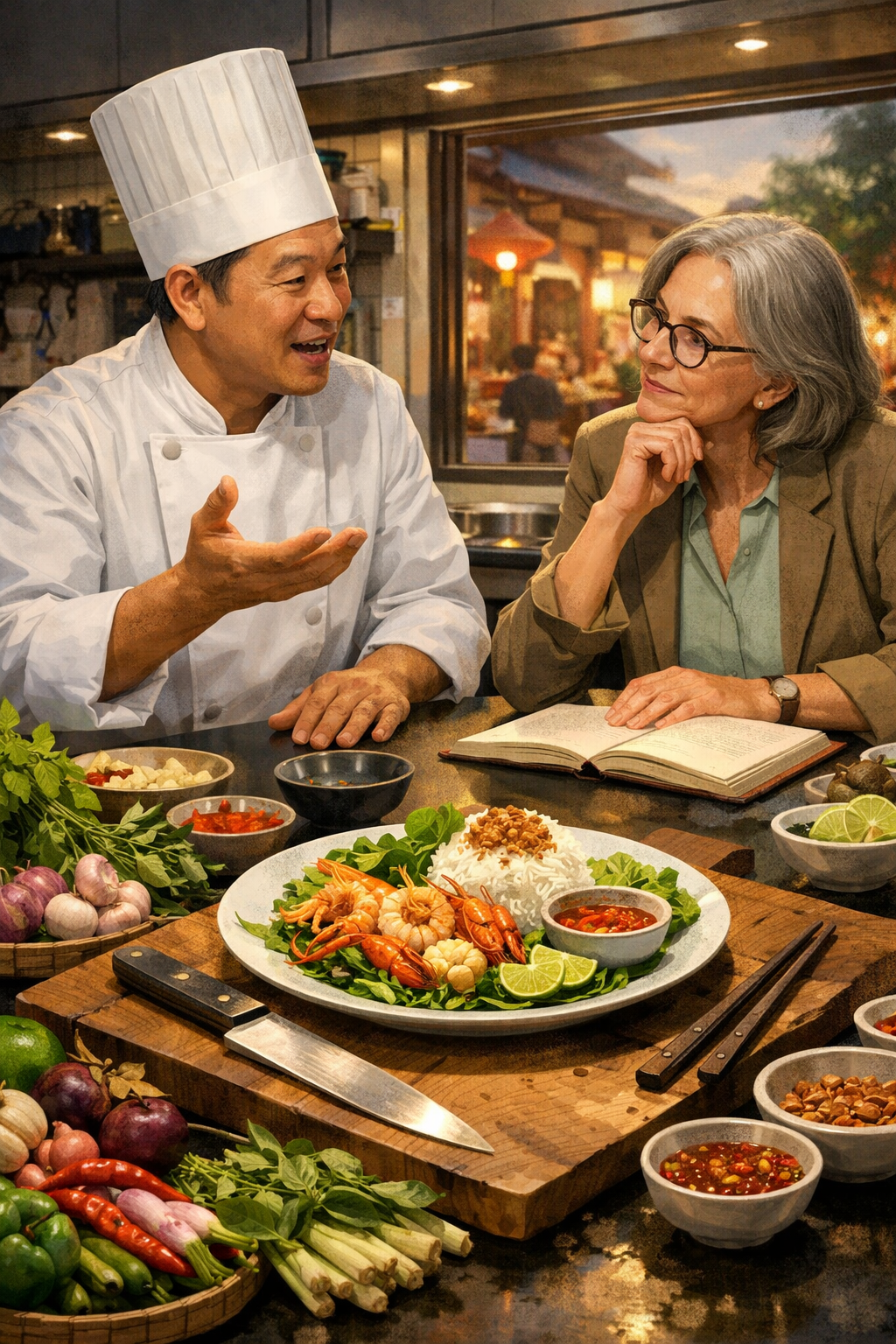
Ever Wondered What Makes Thai Food So Delicious? Your Guide to Understanding Thai Cuisine
Have you ever ordered Thai food and been completely blown away by the explosion of flavors? Sweet, sour, salty, spicy, and umami – all dancing on your tongue at once? It’s more than just a delicious meal; it’s a carefully orchestrated balance of tastes and textures, reflecting a rich culinary history and cultural heritage. But Thai food can seem intimidating, with its unfamiliar ingredients and complex dishes. This guide is here to demystify Thai cuisine, helping you appreciate its nuances and even inspire you to try cooking some at home.
A Little History: Thai Food’s Influences
Thai food isn't born in a vacuum. Its unique character is the result of centuries of influences. Historically, Thailand (formerly Siam) was a crossroads of trade and cultural exchange. Here’s a quick rundown of key influences:
- Khmer (Cambodian) Influence: Early Thai cuisine drew heavily from Khmer traditions, particularly in the use of ingredients like coconut milk and galangal (a ginger-like rhizome).
- Chinese Influence: Chinese traders and immigrants introduced stir-frying techniques, noodles, and ingredients like soy sauce and tofu. This is particularly evident in Northern Thai cuisine.
- Indian Influence: Indian traders brought spices like cumin, coriander, and turmeric, which are now integral to many Thai dishes.
- Malay Influence: Southern Thai cuisine showcases influences from Malaysia, with a greater emphasis on seafood and fiery chilies.
- Royal Cuisine: The Thai royal family played a significant role in developing and refining Thai cuisine, leading to more elaborate and refined dishes.
Understanding these influences helps explain the incredible diversity you find across different regions of Thailand.
Regional Differences: A Taste of Thailand’s Variety
Thailand isn’t just one homogenous culinary landscape. The cuisine varies significantly from north to south and east to west. Let’s explore some key regional differences:
- Northern Thai Cuisine (Lanna): Think hearty, comforting, and influenced by neighboring Myanmar and Laos. Dishes often feature sticky rice, grilled meats, and a milder spice level. Khao Soi (a creamy coconut curry noodle soup) is a signature dish. Fermented ingredients like nam phrik ong (a chili dip) are common.
- Central Thai Cuisine (Bangkok): This is what most people think of as “typical” Thai food. It’s characterized by a balance of sweet, sour, salty, and spicy flavors. Coconut milk is frequently used, and dishes are often more refined. Tom Yum soup and Pad Thai are iconic examples.
- Northeastern Thai Cuisine (Isan): Known for its bold, spicy flavors and grilled meats. Isan cuisine is often considered the spiciest in Thailand. Som Tum (green papaya salad) is a must-try, and grilled meats like Moo Ping (grilled pork skewers) are incredibly popular. Expect to see a lot of fermented fish sauce (pla ra) used as seasoning.
- Southern Thai Cuisine: Heavily influenced by Malay cuisine, this region features abundant seafood, fiery chilies, and a greater use of turmeric and other spices. Curries are rich and flavorful, and dishes like Gaeng Keow Wan Gai (green chicken curry) are intensely aromatic.
Key Ingredients: The Building Blocks of Thai Flavor
While the combinations are endless, certain ingredients are essential to Thai cuisine. Familiarizing yourself with these will unlock a deeper understanding of the flavors:
- Chilies: Thai cuisine is known for its heat! Different varieties of chilies are used, ranging from mild to incredibly spicy.
- Galangal: A rhizome similar to ginger, but with a more citrusy and piney flavor.
- Lemongrass: Adds a bright, citrusy aroma and flavor.
- Kaffir Lime Leaves: These fragrant leaves add a unique citrusy aroma that’s hard to replicate.
- Coconut Milk: Used extensively in curries and soups, adding richness and creaminess.
- Fish Sauce (Nam Pla): The cornerstone of Thai seasoning. It’s salty, savory, and adds umami.
- Lime Juice: Provides acidity and balances the sweetness and richness of many dishes.
- Palm Sugar: A natural sweetener with a caramel-like flavor.
- Thai Basil: More anise-like than Italian basil, Thai basil adds a distinctive fragrance.
- Shrimp Paste (Kapi): A fermented shrimp paste used sparingly to add a deep, savory flavor. (It's pungent, so be warned!)
Understanding Common Thai Dishes
Let's break down some popular dishes and what makes them special:
- Tom Yum Soup: A hot and sour soup typically made with lemongrass, galangal, kaffir lime leaves, chilies, and mushrooms. It can be made with shrimp (Tom Yum Goong) or chicken (Tom Yum Gai).
- Pad Thai: Stir-fried rice noodles with shrimp, tofu, peanuts, bean sprouts, and a tangy tamarind sauce.
- Green Curry (Gaeng Keow Wan): A creamy coconut milk-based curry with green chilies, Thai basil, and often chicken or beef.
- Red Curry (Gaeng Daeng): Similar to green curry, but uses red chilies for a slightly different flavor profile.
- Massaman Curry: A milder, sweeter curry influenced by Persian and Indian cuisine, often featuring potatoes, peanuts, and beef or chicken.
- Som Tum: A spicy green papaya salad with tomatoes, green beans, peanuts, and a flavorful dressing.
Tips for Exploring Thai Food
- Don’t be afraid to ask: If you're unsure about a dish, ask your server for recommendations or explanations.
- Specify your spice level: Thai food can be very spicy! Be sure to communicate your preference to the restaurant. “Mai phet” means “not spicy.”
- Try a variety of dishes: Thai cuisine offers a wide range of flavors and textures. Don't be afraid to step outside your comfort zone.
- Order family style: Thai food is often meant to be shared. Ordering several dishes and sampling them together is a great way to experience the full spectrum of flavors.
- Learn a few basic phrases: Even a simple "Sawasdee" (hello) and "Khop Khun" (thank you) will be appreciated.
Your Thai Food Journey: A Summary & Checklist
Thai cuisine is a captivating blend of history, culture, and flavor. By understanding the regional variations, key ingredients, and common dishes, you can appreciate the complexity and artistry of this beloved cuisine.
Here's a quick checklist to solidify your understanding:
- [ ] Identify the main influences on Thai food.
- [ ] Recognize the differences between Northern, Central, Northeastern, and Southern Thai cuisine.
- [ ] Familiarize yourself with at least 5 key Thai ingredients.
- [ ] Try at least one dish from each region (if possible!).
- [ ] Don't be afraid to ask questions and explore new flavors!
Now, go forth and explore the wonderful world of Thai food! Enjoy the journey – and the deliciousness!