Unlocking the Flavors of Thai Food: A Beginner's Guide (3)
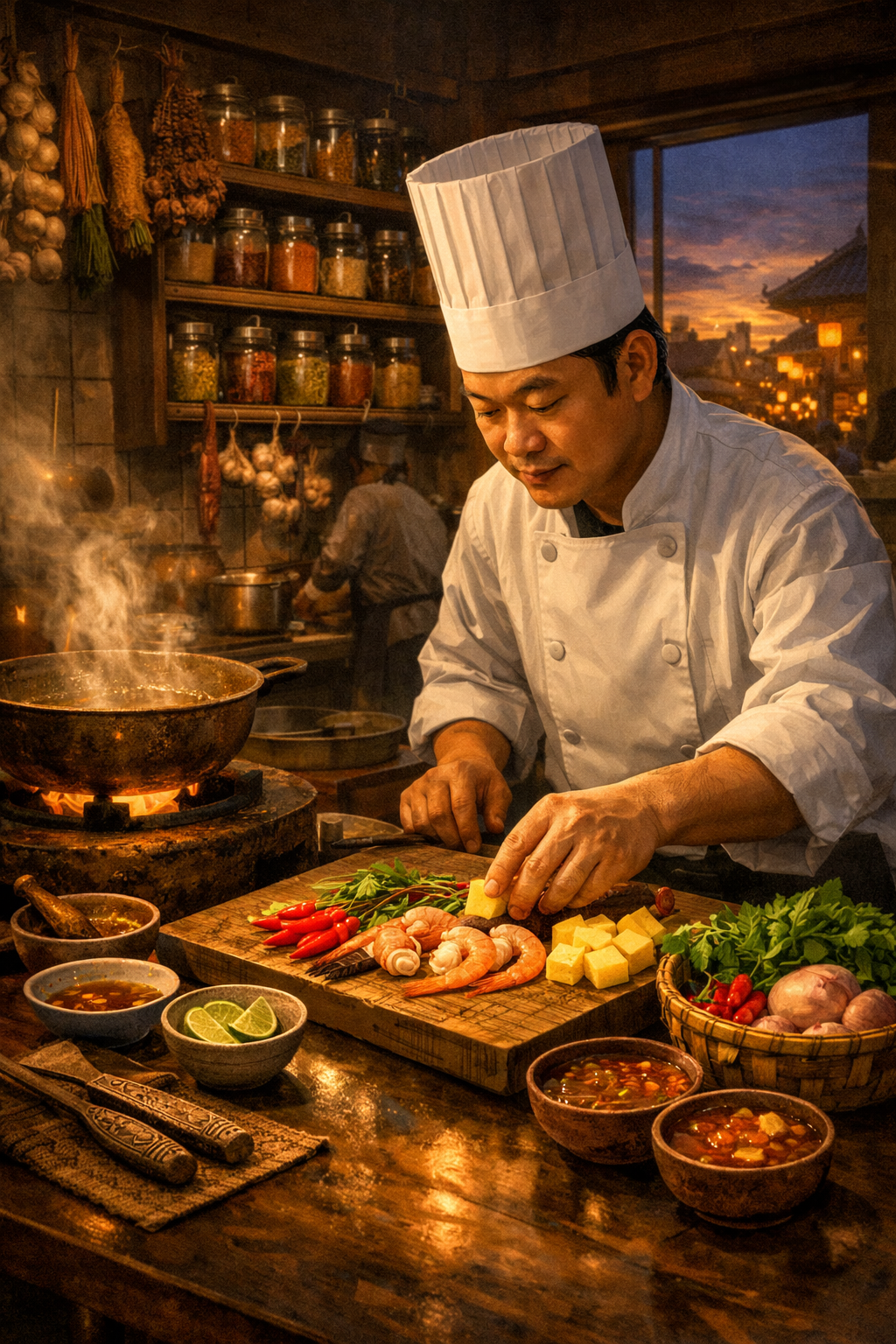
Ever walked into a Thai restaurant and felt overwhelmed by the menu? Or maybe you’ve attempted a Thai recipe at home and it just didn’t quite taste right? You’re not alone! Thai cuisine is incredibly diverse and nuanced, a beautiful balance of sweet, sour, salty, spicy, and umami. It’s more than just heat; it’s a symphony of flavors. This guide is designed to demystify Thai food, helping you understand its core principles, navigate menus with confidence, and even start experimenting in your own kitchen.
Understanding the Foundations: The Five Essential Flavors
Thai cooking isn’t about simply throwing ingredients together. It’s about achieving a harmonious blend of five fundamental tastes:
- Sweet: Often comes from palm sugar (not refined sugar!), fruit, or coconut milk. It balances the sourness and spice.
- Sour: Lime juice, tamarind paste, vinegar, and often green mango are used to add a tangy brightness.
- Salty: Fish sauce (nam pla) is the backbone of Thai flavor – don't be afraid of it! It provides a savory depth. Soy sauce is also used, but less frequently.
- Spicy: Chilies are, of course, essential. Different varieties offer varying levels of heat. Thai bird’s eye chilies are notoriously fiery!
- Umami: This savory, “meaty” flavor is achieved through ingredients like fish sauce, shrimp paste (kapi), and fermented sauces.
Mastering the balance of these five flavors is key to authentic Thai cooking. A dish that’s only spicy isn’t truly Thai; it needs the interplay of all five.
Navigating the Menu: Common Dishes and What They Mean
Thai restaurant menus can seem like a foreign language. Here's a breakdown of some popular dishes and what to expect:
- Pad Thai: Arguably the most famous Thai dish worldwide. It's stir-fried rice noodles with shrimp (or tofu), egg, bean sprouts, peanuts, and a sweet-sour-salty sauce. A great starting point for beginners.
- Green Curry (Gaeng Keow Wan): A creamy, fragrant curry made with green chili paste, coconut milk, bamboo shoots, Thai basil, and often chicken or beef. It's typically served with rice. Be warned: Green curry can be quite spicy!
- Red Curry (Gaeng Daeng): Similar to green curry, but uses red chili paste. It’s generally less spicy than green curry, but still has a good kick.
- Massaman Curry (Gaeng Massaman): A milder, sweeter curry with influences from Persian and Indian cuisine. It often includes potatoes, peanuts, and beef or chicken. A good option for those who prefer less spice.
- Tom Yum Soup: A hot and sour soup with lemongrass, galangal (a ginger-like rhizome), kaffir lime leaves, chilies, and mushrooms. It can be made with shrimp (Tom Yum Goong) or chicken (Tom Yum Gai).
- Pad See Ew: Stir-fried wide rice noodles with Chinese broccoli, egg, and a dark soy sauce-based sauce. A savory and satisfying option.
- Som Tum (Papaya Salad): A spicy and refreshing salad made with shredded green papaya, tomatoes, green beans, peanuts, chilies, lime juice, and fish sauce. This can be extremely spicy, so be sure to specify your preferred heat level!
- Mango Sticky Rice (Khao Niao Mamuang): A classic Thai dessert – sweet sticky rice drizzled with coconut milk and served with ripe mango. A perfect way to end your meal.
Decoding Spice Levels: Asking for What You Want
Thai restaurants often have a scale for spice levels. Here’s a general guide:
- "Mai Pet" (No Spice): No chilies at all.
- "Pet Nit Noi" (A Little Spice): A small amount of chili.
- "Pet Kwang" (Medium Spice): A moderate amount of chili.
- "Pet Mak" (Very Spicy): A lot of chili. Seriously, be cautious with this one!
Don't be afraid to ask your server for clarification or to adjust the spice level to your liking. It's better to start mild and add spice than to suffer through an overwhelmingly hot dish.
Essential Thai Ingredients to Know
While a trip to a Thai market is a wonderful experience, you can find many essential ingredients at Asian grocery stores or even well-stocked supermarkets:
- Fish Sauce (Nam Pla): A salty, fermented fish sauce that adds umami depth to almost every dish.
- Palm Sugar: A natural sweetener with a caramel-like flavor.
- Galangal: Similar to ginger, but with a more citrusy and piney aroma.
- Lemongrass: A fragrant herb with a bright, citrusy flavor.
- Kaffir Lime Leaves: Aromatic leaves that add a distinct citrusy fragrance to curries and soups.
- Thai Basil: A type of basil with a slightly anise-like flavor.
- Chili Paste (Sambal): Various types of chili pastes are used for different dishes.
- Coconut Milk: Adds creaminess and richness to curries and soups.
Getting Started in the Kitchen: Simple Thai-Inspired Dishes
Ready to try cooking at home? Start with these easy recipes:
- Quick & Easy Pad See Ew: Many recipes online simplify this classic dish. Focus on getting the sauce right (dark soy sauce, sweet soy sauce, fish sauce, and a touch of sugar).
- Coconut Curry Soup: Use canned coconut milk and curry paste (red or green) as a base. Add vegetables, protein (tofu, chicken, shrimp), and fish sauce to taste.
- Spicy Peanut Noodles: Combine cooked noodles with peanut butter, soy sauce, lime juice, chili garlic sauce, and a touch of honey.
Common Pitfalls and How to Avoid Them
- Too Much Fish Sauce: Start with a small amount and add more to taste. It's easier to add than to take away.
- Not Enough Balance: Remember the five flavors! Don’t be afraid to adjust the sweetness, sourness, or saltiness to achieve a harmonious blend.
- Overcooking Vegetables: Thai cuisine often features crisp-tender vegetables. Don't overcook them!
- Using the Wrong Type of Chili: Thai chilies are much hotter than many other varieties. Adjust the amount accordingly.
Summary & Your Thai Food Journey Begins!
Thai food is a vibrant and rewarding culinary experience. By understanding the fundamental flavors, navigating menus with confidence, and experimenting in your kitchen, you can unlock a world of delicious possibilities. Don't be intimidated – embrace the complexity and enjoy the journey!
Checklist for Your Thai Food Adventure:
- [ ] Familiarize yourself with the five essential Thai flavors.
- [ ] Learn to identify a few common Thai dishes.
- [ ] Practice communicating your spice preference to restaurant staff.
- [ ] Gather some essential Thai ingredients.
- [ ] Try cooking a simple Thai-inspired recipe at home.
Now, go forth and explore the wonderful world of Thai food! Aroy mak! (Very delicious!)