Staying Connected: A Guide to Internet & SIM Cards in Thailand
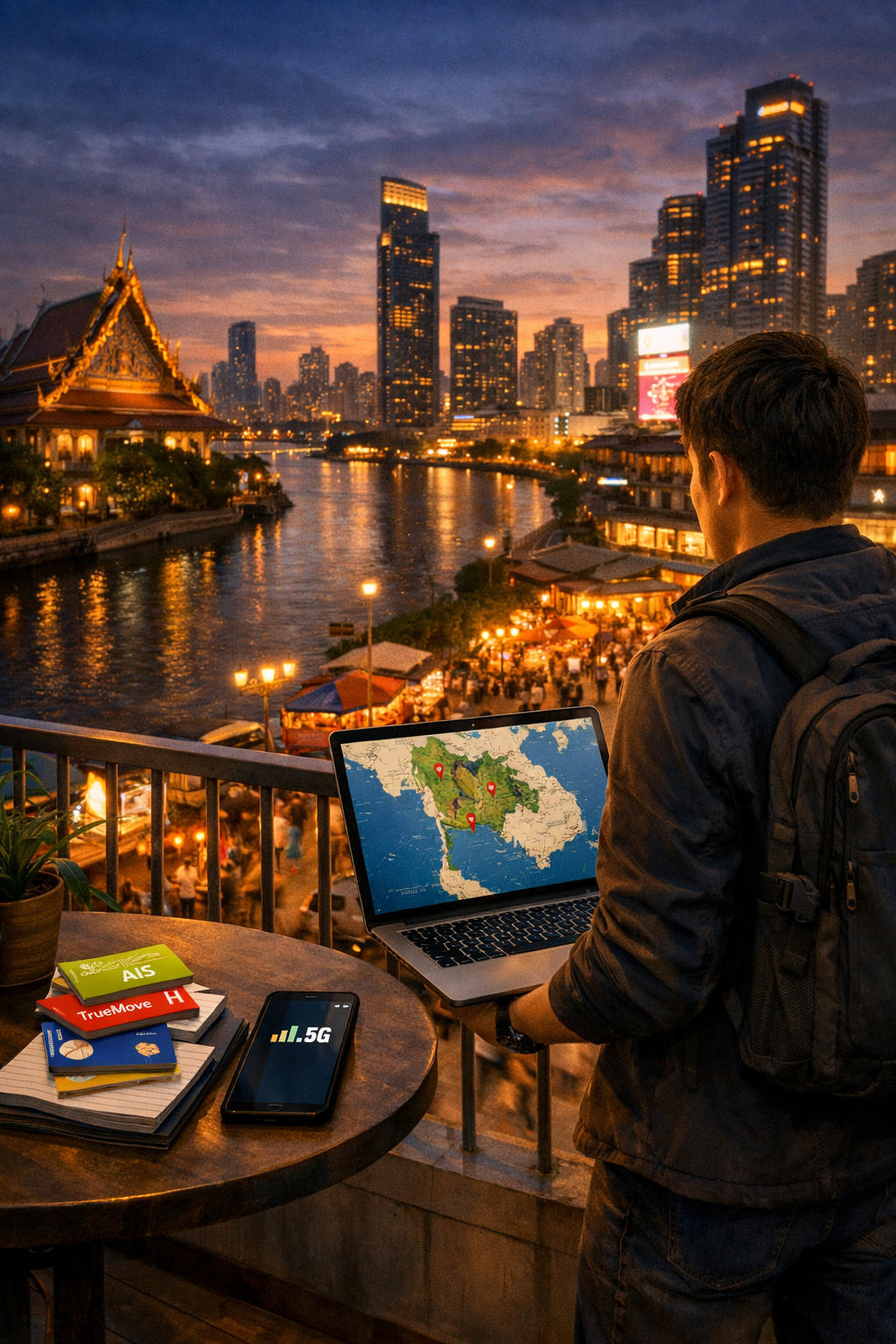
So, you’re heading to Thailand! Stunning temples, delicious food, beautiful beaches… the possibilities for adventure are endless. But before you dive into all that Thailand has to offer, let’s talk about something essential: staying connected. Figuring out the internet and SIM card situation can feel a little overwhelming, but don't worry! This guide will walk you through everything you need to know, from Wi-Fi availability to getting your own Thai SIM card, so you can navigate your trip with ease.
Why You’ll Want Internet Access in Thailand
Let’s be honest, being disconnected on vacation isn't always ideal. Whether you need to navigate with Google Maps, keep in touch with family, book accommodations on the fly, or simply share your amazing experiences on social media, reliable internet access is a huge asset. Luckily, Thailand offers several options, but understanding them is key to choosing what’s best for you.
Wi-Fi: Your Free (But Sometimes Unreliable) Option
Free Wi-Fi is readily available in many places throughout Thailand, but its quality can be… variable. Here's a breakdown:
- Tourist Hotspots: Expect decent Wi-Fi in hotels, hostels, restaurants, cafes, shopping malls, and tourist information centers, especially in major cities like Bangkok, Chiang Mai, and Phuket.
- Rural Areas: Wi-Fi can be spotty or non-existent in more remote areas. Don't rely on it if you're planning to explore off the beaten path.
- Speed & Reliability: Even when available, the speed can be slow and the connection unreliable. It might be fine for basic browsing, but not ideal for video calls or downloading large files.
- Security: Public Wi-Fi networks are often unsecured. Avoid accessing sensitive information like bank accounts on public Wi-Fi. A VPN (Virtual Private Network) can help encrypt your connection and protect your data – more on that later.
Getting a Local SIM Card: Your Best Bet for Convenience & Value
For most travelers, getting a local SIM card is the most convenient and cost-effective way to stay connected in Thailand. Here's why:
- Affordable Data: Thai SIM cards offer incredibly affordable data packages. You can get a significant amount of data for a very reasonable price.
- Reliable Connectivity: You'll have a reliable mobile data connection wherever you go, without relying on potentially slow or unavailable Wi-Fi.
- Local Calls & Texts: You'll also have access to local calls and texts, which can be useful for contacting accommodations or tour operators.
- Easy Activation: Setting up a SIM card is generally straightforward, though a little English can be helpful.
Step-by-Step: How to Get a Thai SIM Card
- Choose a Provider: The three main mobile network operators in Thailand are AIS, DTAC, and TrueMove H. Each offers competitive data packages and coverage. AIS generally has the widest coverage, while DTAC is often considered to have good value. TrueMove H can be a good option if you're looking for specific promotional deals. You can compare plans on their websites (links provided at the end of this guide).
- Where to Buy:
- Suvarnabhumi (BKK) & Don Mueang (DMK) Airports: There are official booths for AIS, DTAC, and TrueMove H at both Bangkok airports. This is the most convenient option for many travelers.
- Tourist Areas: You can find SIM card vendors in tourist areas like Khao San Road (Bangkok), Patong (Phuket), and around popular markets. Be sure to buy from reputable vendors.
- Official Stores: Visit an official AIS, DTAC, or TrueMove H store for a wider selection of plans and assistance.
- What You’ll Need:
- Passport: You’ll need to present your passport to register for a SIM card.
- Cash: SIM cards and data packages are typically paid for in cash.
- A Little Patience: The registration process can sometimes take a few minutes.
- Activation: The SIM card vendor will usually activate the SIM card for you. However, if you buy a SIM card without immediate activation, you may need to follow the instructions provided (often involving sending a text message to a specific number).
- Data Top-Up: Most SIM cards come with a limited data allowance. You can easily top up your data online or at an official store.
Important Things to Know About Thai SIM Cards:
- Registration: SIM card registration is mandatory in Thailand. The vendor will handle this for you when you purchase the SIM.
- Validity: Tourist SIM cards typically have a validity period of 30 days.
- Data Roaming: Ensure your SIM card is not set to roaming if you plan to travel to other countries.
- Number Porting: You cannot port your existing foreign phone number to a Thai SIM card.
- Language Barrier: While English is spoken in tourist areas, be prepared for some communication challenges when dealing with SIM card vendors. Don't be afraid to ask for help!
Using a Portable Wi-Fi Router (MiFi)
Another option is renting a portable Wi-Fi router (also known as a MiFi device). These devices create a personal Wi-Fi hotspot that you can connect your devices to.
- Pros: Can be convenient for groups of travelers who need to share a connection.
- Cons: More expensive than a local SIM card. Can be bulky to carry around.
VPNs: Protecting Your Online Privacy
As mentioned earlier, using public Wi-Fi can pose security risks. A VPN (Virtual Private Network) encrypts your internet traffic, making it more secure. Consider using a VPN, especially if you’re accessing sensitive information online. Many reputable VPN providers offer subscriptions.
Summary & Checklist for Staying Connected in Thailand:
Here's a quick recap to help you prepare:
- Free Wi-Fi: Available in many tourist areas, but reliability can vary.
- Local SIM Card: The most convenient and cost-effective option for most travelers.
- Provider Options: AIS, DTAC, and TrueMove H.
- Where to Buy: Airport, tourist areas, official stores.
- What You Need: Passport and cash.
- VPN: Consider using a VPN for added security.
Checklist Before You Go:
☐ Research SIM card plans from AIS, DTAC, and TrueMove H. ☐ Decide whether you'll rely on Wi-Fi or get a local SIM card. ☐ If getting a SIM card, have your passport ready. ☐ If concerned about security, research and subscribe to a VPN.
Enjoy your trip to Thailand! Staying connected shouldn’t be a hassle, and with a little preparation, you’ll be sharing your adventures in no time.
Useful Links:
- AIS: [https://www.ais.co.th/](https://www.ais.co.th/)
- DTAC: [https://www.dtac.co.th/](https://www.dtac.co.th/)
- TrueMove H: [https://www.true.com.th/en/](https://www.true.com.th/en/)