A Beginner’s Guide to Renting and Driving in Thailand
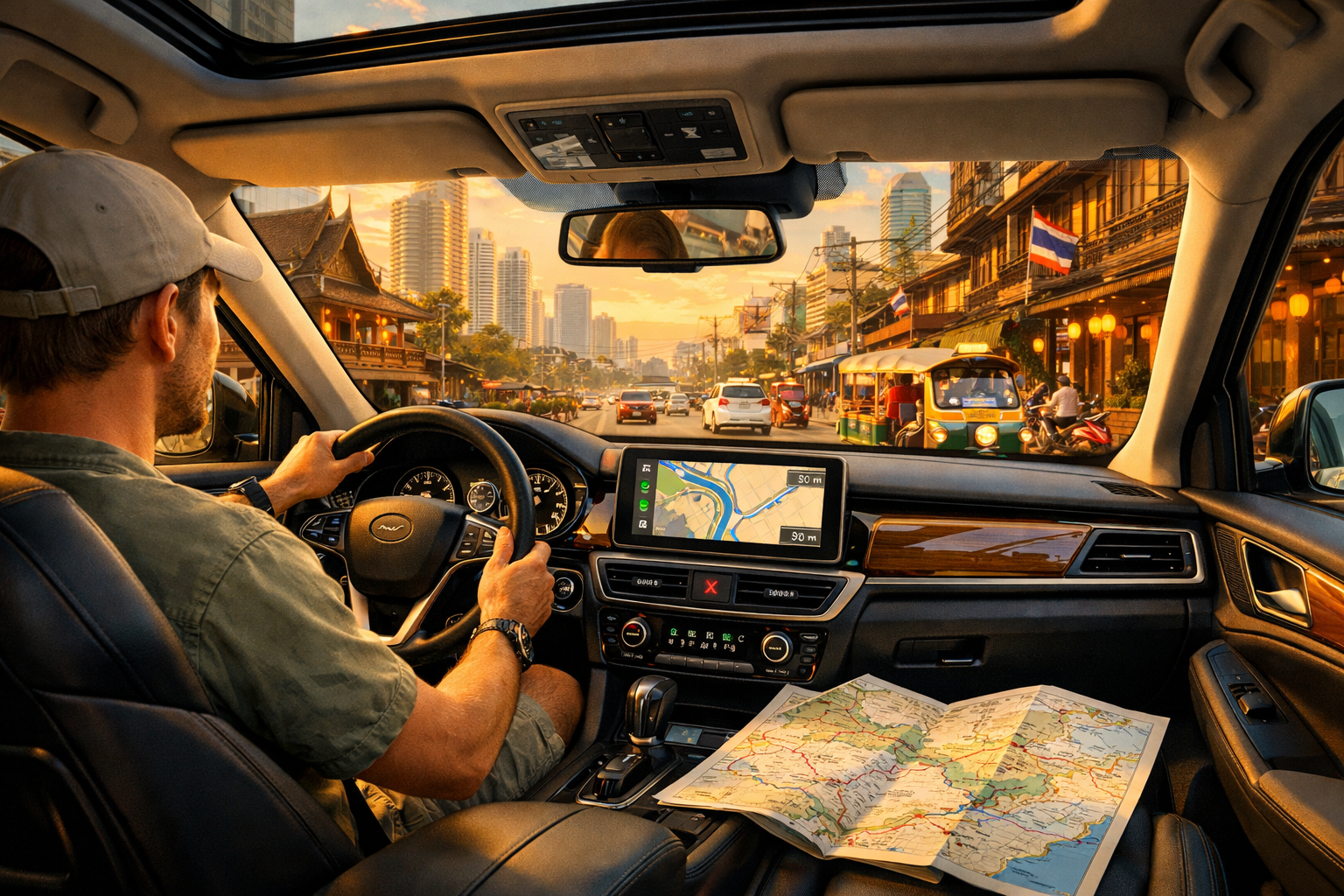
If you're planning a trip to Thailand, renting a car can give you the freedom to explore beyond the beaten path. However, navigating unfamiliar roads and regulations might seem daunting. This guide will help you understand what it takes to rent and drive safely in Thailand as a tourist. From choosing the right rental company to understanding local traffic rules, we’ll walk through everything step-by-step so that your driving experience is enjoyable and stress-free.
Understanding Thai Traffic Rules
Driving in Thailand can be quite different from what you're used to back home. Here are some key points to remember:
- Right-hand Drive: Thailand uses the right side of the road, which means you drive on the left lane.
- Speed Limits: Speed limits vary depending on the type of road. For example, urban roads have a limit of 60 km/h (37 mph), while highways can be up to 120 km/h (75 mph).
- Seat Belts and Child Safety Seats: Both drivers and passengers must wear seat belts. Children under 12 years old should use child safety seats.
- No Drunk Driving: The legal blood alcohol limit is very low in Thailand, so it’s best to avoid drinking before driving.
Choosing the Right Rental Company
Selecting a reputable rental company can make your trip smoother and safer. Here are some tips on how to choose wisely:
- Research Thoroughly: Check reviews online for companies like Avis, Budget, or local Thai rentals such as Thailand Car Rent.
- Insurance Options: Look into what insurance is included with the vehicle and consider purchasing additional coverage if necessary.
- Pick-Up Locations: Ensure that pick-up locations are convenient to your accommodation or main destination.
Getting Your International Driving Permit (IDP)
To legally drive in Thailand, you need an IDP alongside a valid driver's license from your home country. Here’s how to obtain one:
- Apply Before You Go: Most countries require at least two weeks for processing.
- Documents Needed: Typically, this includes a passport-sized photo and proof of identity.
- Costs and Renewals: The cost varies by country but is usually around $15-$20. Check if renewals are required for extended stays.
Navigating the Roads
Driving in Thailand can be chaotic at times, with traffic jams and unpredictable drivers. Here are some navigation tips:
- Use GPS Wisely: While maps like Google Maps work well in urban areas, they may not always cover rural roads accurately.
- Follow Road Signs: Pay attention to signs as they provide crucial information about road conditions ahead.
- Be Prepared for Honking: In Thailand, honking is a common way to alert other drivers of your presence.
Fueling Up and Maintenance
Knowing how to refuel and maintain your rental car can prevent unexpected issues:
- Finding Gas Stations: They are widely available but less so in rural areas.
- Paying for Fuel: You can pay with credit cards at most stations, though cash is often preferred.
- Check Fluid Levels Regularly: This includes oil, water, and brake fluid.
Dealing With Emergencies
Even with careful planning, things can go wrong. Here’s what to do in case of emergencies:
- Emergency Numbers: Keep the number 191 for police assistance or 1668 for medical help.
- Keep Contact Information Handy: Have a list of local rental company numbers and emergency contacts.
What to Expect When Returning Your Car
When you're ready to return your car, here’s what to expect:
- Return at the Same Location: Ensure that you take the vehicle back to the same place where it was rented.
- Check for Damage: Inspect the car before handing over keys. This helps avoid disputes about pre-existing damage.
- Review Your Bill: Make sure there are no unexpected charges.
Summary and Checklist
Driving in Thailand can be an exhilarating experience, offering a unique way to see this beautiful country. To ensure your trip is enjoyable, follow these key points:
- Understand and respect Thai traffic rules.
- Choose a reliable rental company that suits your needs.
- Secure an International Driving Permit before you travel.
- Navigate wisely using modern technology but also traditional methods.
- Stay prepared for emergencies and have necessary contacts at hand.
Checklist:
- [ ] Research local driving laws
- [ ] Select a reputable car rental service
- [ ] Obtain an IDP
- [ ] Familiarize yourself with Thai road signs
- [ ] Prepare emergency contact numbers
Driving in Thailand can be a rewarding experience, offering the freedom to explore at your own pace. With proper planning and preparation, you’ll have plenty of opportunities for unforgettable adventures on the roads of this vibrant Southeast Asian nation. Happy travels!