Exploring Ancient Ruins: A Guide to Ayutthaya's Historical Sites
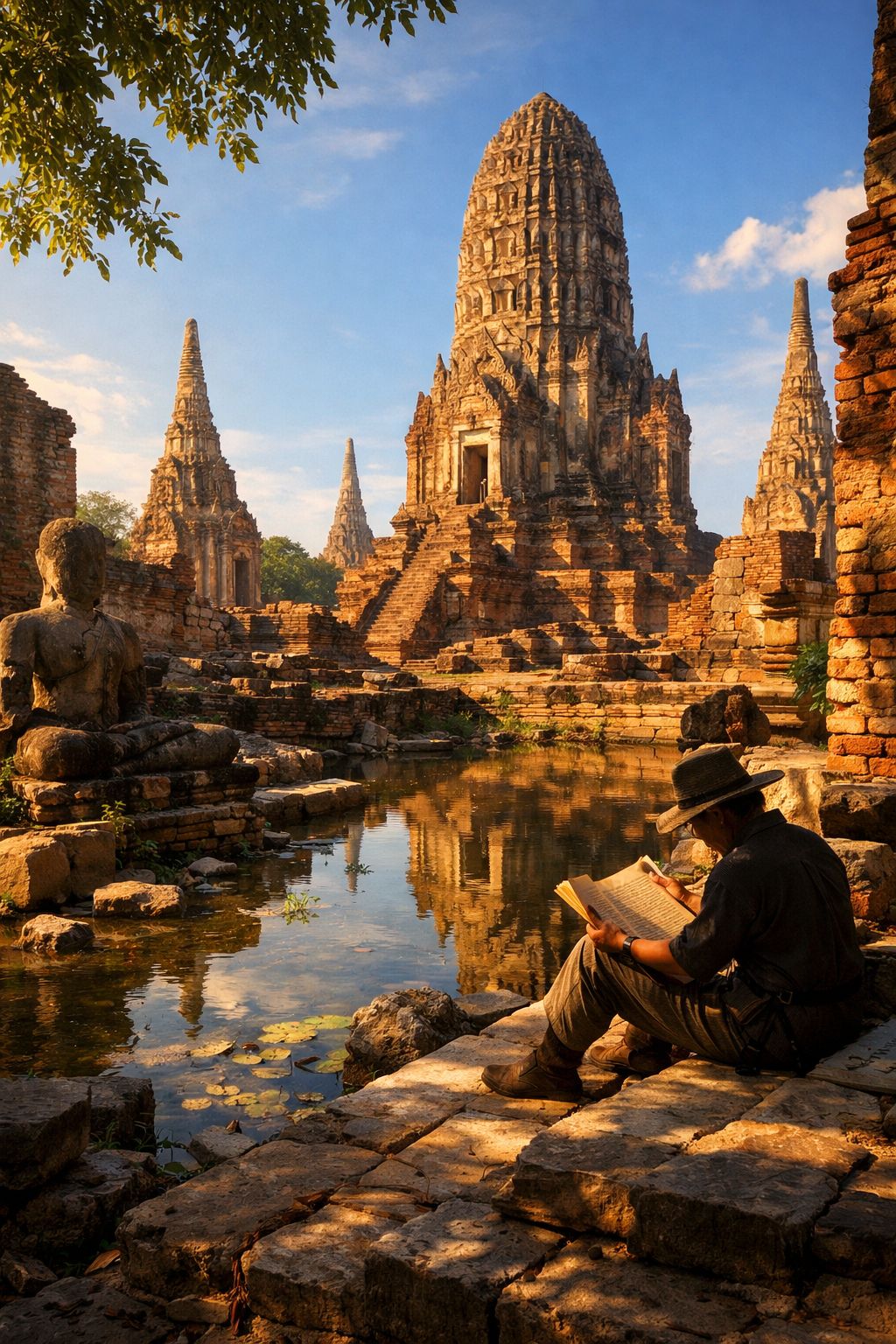
Ayutthaya, once the capital of Siam (now Thailand) from 1350 to 1767, is a treasure trove for history enthusiasts and travelers seeking an immersive cultural experience. Nestled along the Chao Phraya River, this ancient city is home to numerous ruins that whisper tales of past grandeur and royal lineage. If you're planning a holiday in Ayutthaya but are unsure where to start or how best to explore its historical sites without feeling overwhelmed, you’re not alone. This guide aims to provide clear, actionable advice so you can navigate the ancient city with confidence.
Understanding Ayutthaya: A Brief History
To truly appreciate Ayutthaya’s ruins, it's essential to grasp their context in history. The city flourished for over 400 years as a major trading hub, attracting merchants from across Asia and beyond. At its peak, Ayutthaya rivaled other great capitals like Beijing, Baghdad, and Paris in terms of wealth, culture, and influence. However, the Burmese invasion of 1767 marked the end of this golden age, leaving behind ruins that are now a UNESCO World Heritage site.
Planning Your Visit: What You Need to Know
When to Go
Ayutthaya’s weather is tropical with high humidity and temperatures ranging from 28°C (82°F) in winter to over 35°C (95°F) during summer. The best times to visit are between November and February when the climate is cooler, but keep in mind that these months can also be quite busy.
What to Bring
- Comfortable walking shoes or sandals.
- Light clothing suitable for hot weather.
- Sunscreen and a hat.
- Camera (preferably with extra batteries or a charger).
- Drinking water; the ruins are vast and there's limited availability of drinks nearby.
- A map, which you can obtain from your hotel or online.
Exploring Ayutthaya: Key Sites
Wat Phra Si Sanphet
Start your journey at Wat Phra Si Sanphet, often considered the most iconic temple in Ayutthaya. The complex consists of three chedis (stupas) made of laterite and bricks that house relics from various kings. This site is best visited early in the morning when it’s relatively quiet.
Wat Mahathat
Wat Mahathat is famous for its Buddha head entwined within the roots of a banyan tree. It's one of Ayutthaya's most photographed ruins and symbolizes the city's rich spiritual heritage. The temple features several structures including an ordination hall, a viharn (assembly hall), and numerous chedis.
Wat Ratchaburana
Wat Ratchaburana is another must-visit site with its elaborate architecture that includes two large chedis flanking a smaller one in the middle. These chedis are believed to contain the ashes of King Borommarachathirat II's brothers, who were killed by their sibling during an internal conflict.
Navigating Ayutthaya: Transportation and Accessibility
Ayutthaya’s ruins are spread across a fairly large area, making it practical to use bicycles or motorbikes for transportation. Renting a bike is economical and environmentally friendly, allowing you the flexibility to explore at your own pace. Alternatively, tuk-tuks are readily available but can be more expensive.
Practical Tips for Your Visit
Hiring a Local Guide
While not essential, hiring a local guide can significantly enhance your experience by providing insight into the history and significance of each site. Guides can often be found near major ruins or at tourist information centers.
Respecting Sacred Spaces
Ayutthaya’s temples are still considered sacred spaces. Visitors should dress modestly (covering shoulders and knees) and remove shoes before entering any temple premises. Photography is generally allowed, but refrain from using flash to avoid disturbing any ongoing religious activities.
Dining and Accommodation
After a day of exploration, refuel at one of Ayutthaya’s many local eateries offering Thai favorites like pad thai or mango sticky rice. For accommodation, there are numerous options ranging from budget-friendly guesthouses to luxurious resorts that offer comfortable amenities after a day spent under the sun.
Summing Up: The Ultimate Checklist
- Time Your Visit: Aim for cooler months if possible.
- Pack Smartly: Bring essentials like water, sunscreen, and comfortable footwear.
- Explore Key Sites: Don’t miss Wat Phra Si Sanphet, Wat Mahathat, and Wat Ratchaburana.
- Get Around Efficiently: Rent a bike or hire a local guide for deeper insights.
- Respect Sacred Places: Dress appropriately and remove your shoes at temple entrances.
Ayutthaya is not just another tourist destination; it’s an immersive experience into the soul of Thai history and culture. By following this guide, you’re not only visiting an ancient city but also stepping back in time to witness a civilization that once stood as one of Asia's most powerful empires. Let your curiosity lead the way, and every ruin you visit will bring another piece of the puzzle closer to being understood.
Now that you are equipped with the knowledge to navigate Ayutthaya’s historical sites, it’s time to embark on this enriching journey yourself. Have an unforgettable adventure!