Sustainable Hiking Practices in Thailand
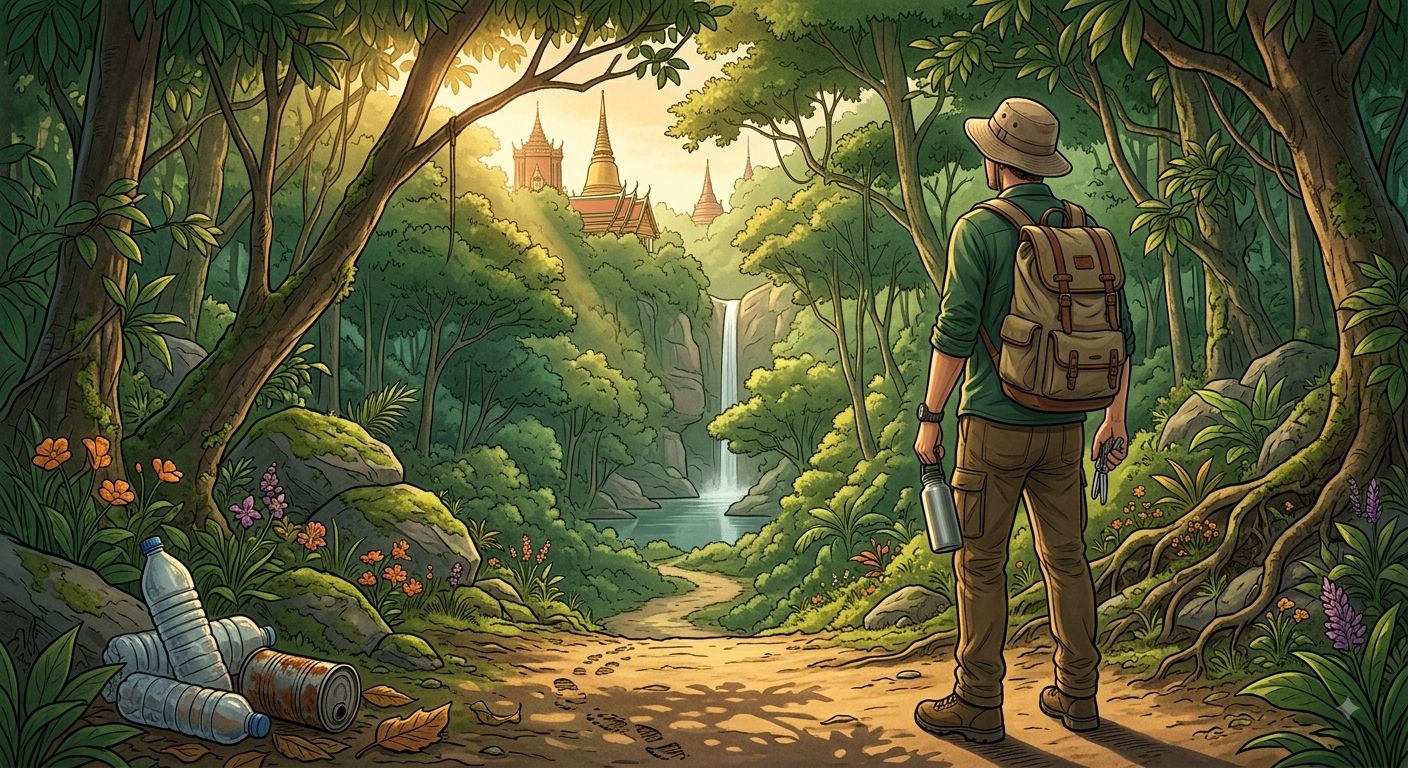
Hiking through Thailand’s lush forests, ancient temples, and majestic mountain ranges is an exhilarating experience that connects travelers with nature on a profound level. However, as more people venture into these natural wonders, the impact of their presence can have lasting effects. From littering to erosion and disturbance of wildlife habitats, the environment faces many threats from increased human activity. Sustainable hiking practices are vital to preserving Thailand’s diverse landscapes for future generations.
Why Adopt Sustainable Hiking Practices?
Sustainable hiking is about minimizing your impact on the environment while enjoying your outdoor adventure. By adopting sustainable practices, you can help preserve the natural beauty of Thailand and ensure that it remains unspoiled for others to enjoy. This guide will provide practical tips and steps to follow so you can have a memorable hiking experience without leaving a trace.
Preparing Your Gear
One of the first steps in practicing sustainable hiking is ensuring your gear is suitable for the trails you plan to explore. Opting for lightweight, durable equipment not only reduces your environmental footprint but also makes it easier to carry essentials efficiently. Here’s how to prepare:
- Choose Lightweight and Durable Gear: Invest in high-quality hiking boots that are both comfortable and capable of withstanding various terrains. Additionally, use a backpack made from sustainable materials that is spacious enough for all necessary items yet compact when not fully loaded.
- Pack Only What You Need: Be selective about the gear you bring. This reduces your weight and makes it easier to move through challenging terrain without causing undue stress on trails. Remember essentials such as water bottles, snacks (preferably in reusable or biodegradable packaging), a map, first aid kit, and appropriate clothing.
- Leave No Trace Principles: Familiarize yourself with the Leave No Trace principles which emphasize minimizing campfire impacts, respecting wildlife, and disposing of waste properly. Carrying along a small trash bag can ensure you remove any non-biodegradable items from your hike.
Choosing Your Trail
Thailand boasts an array of hiking trails that cater to different skill levels. It’s crucial to choose the right trail based on your experience level to avoid causing harm to yourself or nature:
- Research Ahead: Before setting off, research trails online and consult with local tour operators who can provide insights into which paths are suitable for beginners versus experienced hikers.
- Avoid Overcrowded Trails: While popular spots like Doi Inthanon or Khao Yai National Park offer stunning views, they also attract large numbers of visitors. Consider lesser-known routes that have less impact on the environment and offer unique experiences without the crowds.
- Check Trail Conditions: Ensure you know the current conditions of your chosen trail as this can affect both safety and environmental preservation efforts. Trails prone to flooding or erosion should be avoided during certain seasons.
During Your Hike
Once you’re on the trail, following sustainable practices becomes even more critical:
- Stay on Marked Paths: Stick to designated trails to prevent soil erosion and protect vegetation from being trampled upon. Straying off paths can also disturb wildlife habitats and lead to the spread of invasive species.
- Minimize Impact on Wildlife: Keep your distance from animals you encounter, avoid feeding them as it disrupts their natural diet and behavior. Use binoculars or cameras with zoom lenses for better viewing without disturbing.
- Water Conservation: If camping overnight along a trail, collect water from sources far from where you camp to minimize disturbance around these areas. When possible, purify collected water using filters instead of chemical treatments which can harm aquatic life.
Respecting the Environment
Sustainable hiking also involves respecting cultural sites and natural landmarks:
- Preserve Cultural Sites: Thailand is rich in history with numerous ancient temples dotting its landscape. Refrain from touching or climbing on these structures to preserve their integrity and longevity.
- Photograph Responsibly: Capturing memories through photos should never harm the environment. Avoid damaging plants for a better shot, and be mindful of flash photography near wildlife which can startle them.
Post-Hike Actions
Once you’ve completed your hike, continue practicing sustainability:
- Report Issues to Authorities: If you notice issues such as damaged signs, trail markings that need updating, or areas prone to littering, report these concerns to local authorities. Your feedback helps maintain and improve hiking conditions for future visitors.
- Share Positive Experiences Sustainably: Encourage others by sharing your experiences but do so responsibly. Avoid giving out exact locations of sensitive areas online which could attract more traffic than they can handle sustainably.
Summary & Call-to-Action
By adopting sustainable practices, you play a significant role in preserving Thailand’s natural beauty for future generations. Remember to prepare adequately with the right gear, choose trails wisely, respect wildlife and cultural sites during your hike, and continue to advocate for responsible hiking post-trip.
Let us all commit to protecting these incredible landscapes by making small but impactful changes to our hiking habits. Every step counts towards a healthier planet!
Sustainable Hiking Checklist
- Pack lightweight, durable gear
- Research trails before heading out
- Stay on marked paths and minimize wildlife disturbance
- Respect cultural sites; photograph responsibly
- Report trail issues to local authorities
- Share sustainable hiking tips with others