Sustainable Island Transport Solutions in Thailand
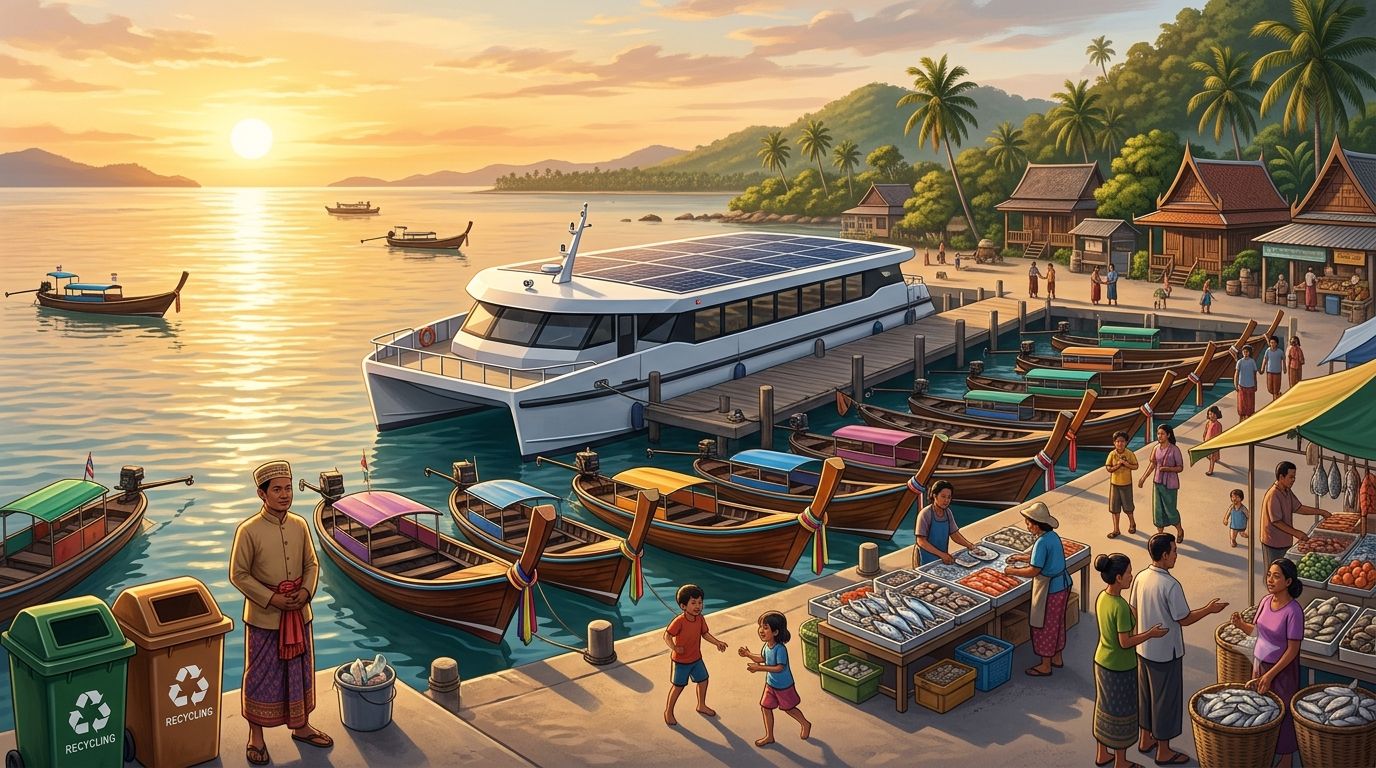
Exploring the stunning islands of Thailand is an unforgettable experience, but it's important to do so sustainably. The question many travelers have is how to navigate these beautiful destinations without harming the environment or local communities. This guide will help you understand and use sustainable ferry and island transport solutions in Thailand.
Understanding Sustainable Island Transport
Sustainable island transport aims to minimize negative impacts on the environment while supporting local economies and preserving cultural heritage. In Thailand, this involves choosing eco-friendly options like hybrid ferries and electric boats over traditional fossil fuel-powered vessels. It also means being mindful of your travel habits, such as limiting waste and respecting local customs.
Step-by-Step Guide to Sustainable Transport
1. Research Before You Book
Before you embark on your island-hopping adventure, do some research into the ferry operators that prioritize sustainability. Look for companies that use renewable energy sources or have implemented recycling programs onboard. Websites like TripAdvisor often provide customer reviews and insights into a company's environmental policies.
2. Choose Eco-Friendly Ferries
Several ferry lines in Thailand are making strides towards sustainability. For instance, some operators are transitioning to hybrid vessels that combine traditional diesel engines with electric motors for cleaner operations. When booking your trip, ask the operator about their green initiatives and consider supporting those that align with sustainable practices.
3. Optimize Your Travel Routes
Traveling efficiently can significantly reduce your carbon footprint. Plan your island hopping route so you maximize ferry connections and minimize unnecessary transfers or flights. Consider staying longer on each island to fully immerse yourself in the local culture and economy, reducing frequent travel impacts.
4. Respect Local Regulations
Many Thai islands have strict rules regarding waste disposal and environmental protection due to their fragile ecosystems. Always follow guidelines such as using designated trash bins for recyclables and non-recyclable materials. Some islands prohibit single-use plastics entirely; ensure you pack reusable water bottles, bags, and containers.
5. Engage with Local Communities
Supporting local communities is a key aspect of sustainable tourism. Choose to stay at accommodations that are owned by locals or have strong community ties. Eat at family-owned restaurants and purchase souvenirs from artisan workshops rather than large commercial stores.
Additional Tips for Sustainable Travel
- Use Public Transport: Where possible, use public ferries instead of private boats which can be less efficient.
- Carpool: If you are planning to rent a boat or car, see if you can share with other travelers to reduce emissions per person.
- Educate Yourself and Others: Share what you learn about sustainable travel practices with fellow travelers.
Summary and Checklist
Traveling sustainably in Thailand requires thoughtful planning but offers immense rewards. By choosing eco-friendly transport options and engaging positively with local communities, you can enjoy the beauty of Thai islands while preserving them for future generations. Here’s a quick checklist to ensure your journey aligns with sustainable practices:
- Research ferry operators that prioritize sustainability.
- Optimize travel routes to minimize environmental impact.
- Respect local regulations and engage with the community.
- Use public transport where possible.
- Share resources like cars or boats to reduce individual footprints.
Enjoy your adventure in Thailand while making a positive impact on this beautiful country.