The Cultural Impact of Snorkeling and Diving on Thai Coastal Communities
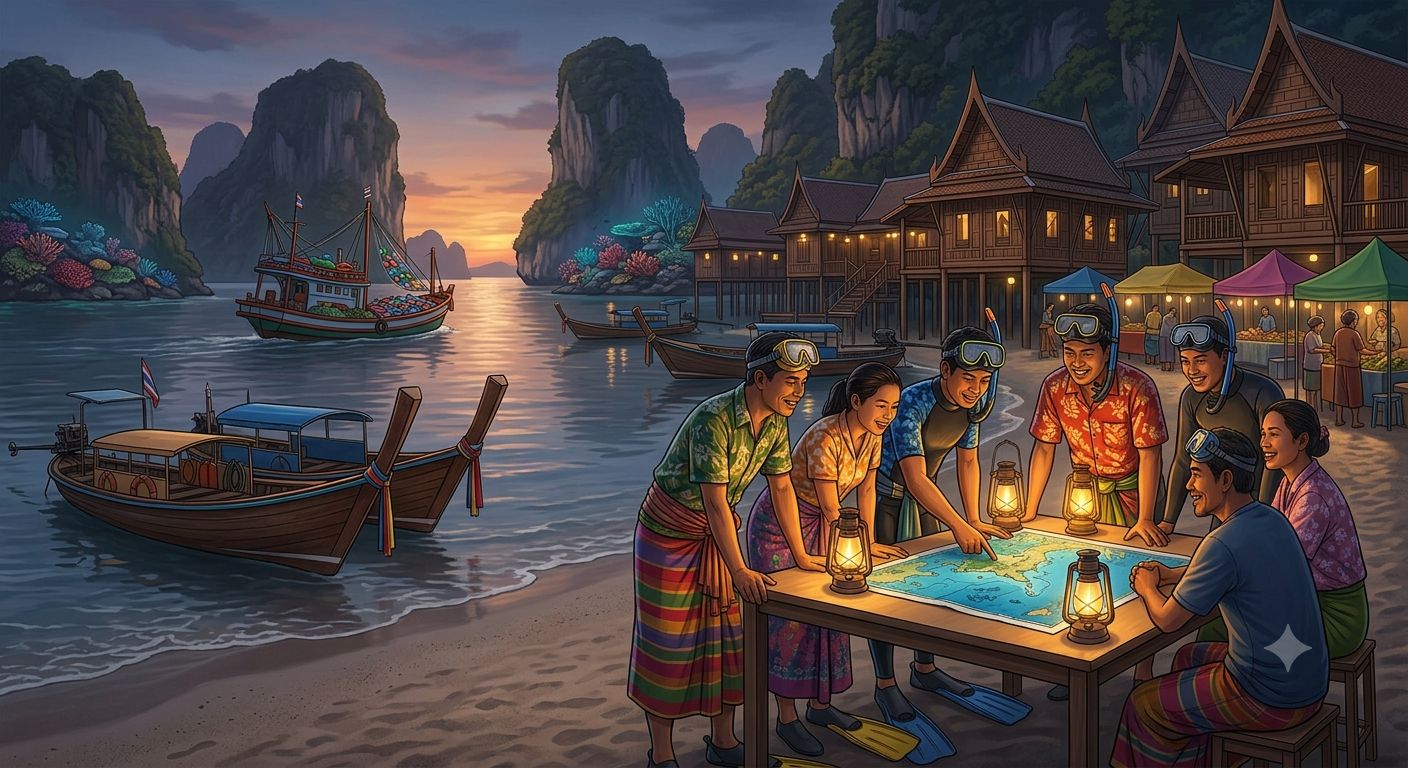
When you plan your next vacation to Thailand, the allure of snorkeling and diving among vibrant coral reefs and encountering exotic marine life is hard to resist. Yet, beyond the exhilarating underwater experiences, these activities have a profound impact on the coastal communities that call the shores home. Understanding this cultural impact not only enriches your travel experience but also helps you contribute positively to the local way of life.
Understanding the Cultural Impact of Snorkeling and Diving
Firstly, it’s crucial to recognize how snorkeling and diving have transformed traditional fishing communities into tourism hubs. Over the past few decades, as global interest in marine conservation grew, Thai coastal villages saw a shift from purely subsistence living to embracing eco-tourism. Today, many residents are involved directly or indirectly in providing services for divers and snorkelers.
Engaging with Local Communities
To truly appreciate the cultural richness of these communities, engage actively by visiting local markets where you can buy fresh seafood, handmade crafts, and souvenirs made from sustainable materials. This not only supports small businesses but also promotes fair trade practices and helps preserve traditional craftsmanship.
Respecting Traditions and Customs
While exploring these coastal villages, be mindful of cultural norms. For instance, always ask for permission before photographing locals or participating in community events like festivals or weddings. Show respect by dressing modestly when visiting temples or sacred sites, which are often found within or near the communities.
Sustainable Practices: A Guide to Eco-Friendly Snorkeling and Diving
Support local efforts towards sustainable tourism by choosing operators committed to environmental stewardship. Look for certifications such as Green Fins, which ensures that dive centers adhere to strict guidelines designed to protect marine environments. When snorkeling or diving, never touch the coral reefs; each contact can cause damage that takes years to heal.
Economic Benefits and Challenges
Tourism brings significant economic benefits to these communities, including job creation and increased income for local businesses. However, it also presents challenges such as overcrowding in popular dive sites and cultural erosion due to commercialization. Balancing the economic gains with environmental protection is key to maintaining both ecological health and traditional cultures.
Educational Opportunities
Many dive centers and local organizations offer educational programs aimed at raising awareness about marine conservation among tourists. Participate in these programs to deepen your understanding of the ecosystem you're exploring and learn how you can contribute positively while enjoying your vacation.
Cultural Exchange and Dialogue
Engage with locals through homestays or community-based tours where possible. These experiences provide a deeper insight into local life, traditions, and challenges faced by coastal communities. Sharing stories and learning from each other fosters mutual respect and understanding.
Safety and Preparedness Tips for Snorkelers and Divers
Before you embark on your adventure, ensure you are well-prepared with the right equipment and safety measures. Always check weather conditions and sea currents before entering the water. Consider taking a certification course if you're new to diving or snorkeling; this will not only enhance your experience but also ensure your safety.
Conclusion: A Call to Action
Snorkeling and diving in Thailand offer more than just breathtaking underwater adventures. They provide an opportunity to connect with rich cultural traditions, support local economies, and contribute to environmental conservation efforts. By being a responsible traveler, you can help preserve the natural beauty of these coastal communities for future generations.
Checklist: Being a Responsible Tourist
- Support local businesses by buying locally made products.
- Respect cultural norms and seek permission before taking photos or participating in community events.
- Choose eco-friendly dive centers with environmental certifications.
- Avoid touching coral reefs to prevent damage.
- Participate in educational programs about marine conservation.
- Engage in cultural exchange through homestays or community-based tours.
By following these guidelines, you not only enrich your travel experience but also play a part in preserving the vibrant cultures and ecosystems of Thai coastal communities.