The Role of Elephant Sanctuaries in Thai Conservation Efforts
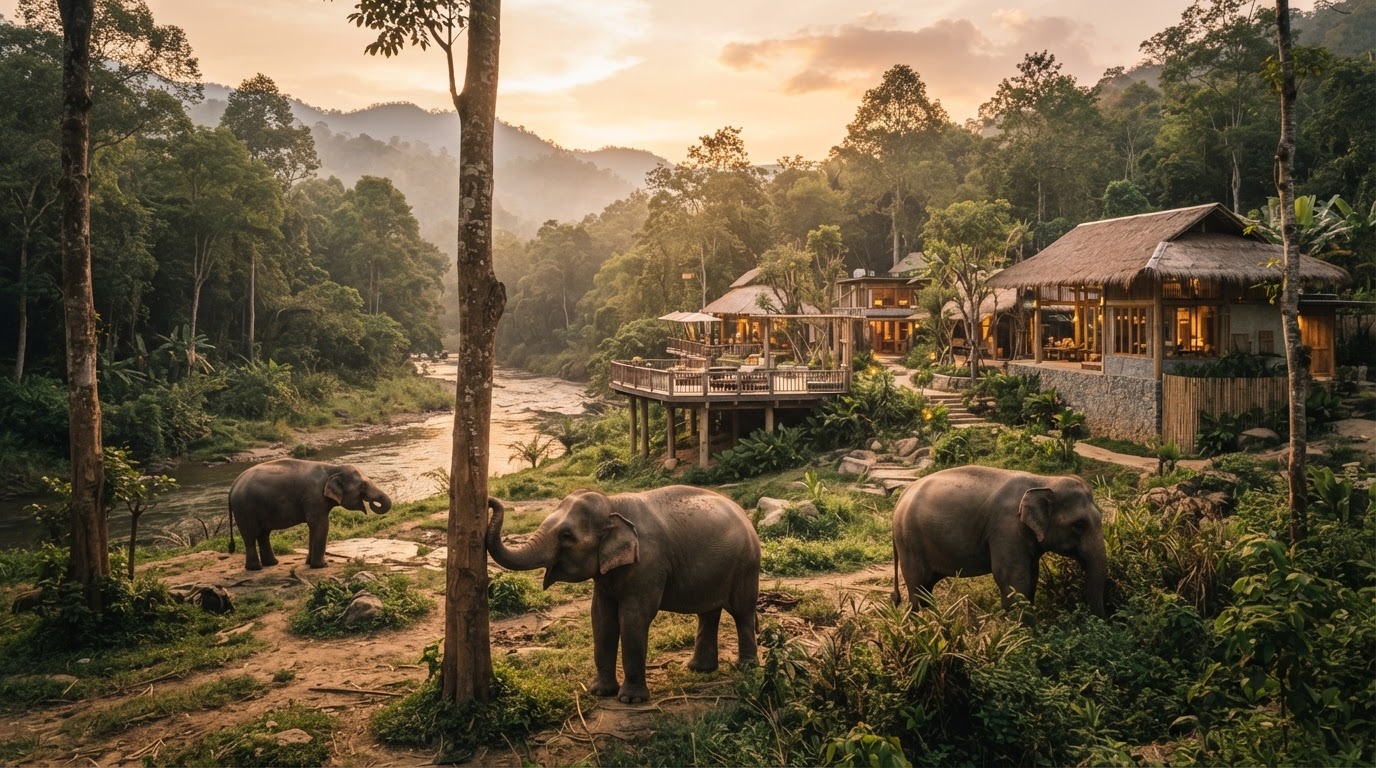
When you think about visiting Thailand, majestic elephants might immediately come to mind. These gentle giants have long been a symbol of Thai culture and tourism. However, beneath the picturesque scenes lurks an important conservation story that every visitor should be aware of. This guide explores the critical role elephant sanctuaries play in preserving these animals' welfare and habitats within Thailand.
Understanding the Elephant's Plight
Before we delve into how elephant sanctuaries operate, it’s crucial to understand why they are necessary. Historically, elephants have been used for labor, entertainment, and even as symbols of power and wealth. However, this exploitation has taken a toll on both the animals’ health and their natural habitats. Elephant populations in Thailand have declined significantly due to deforestation, poaching, and the demand for elephant performances.
What Are Elephant Sanctuaries?
Elephant sanctuaries are conservation facilities designed to provide elephants with environments that mimic their natural habitats as closely as possible. Unlike traditional circuses or tourist attractions where elephants perform tricks, sanctuaries aim to rehabilitate and care for these animals by providing them with space, veterinary care, and social interaction opportunities.
Choosing the Right Sanctuary
Selecting a responsible sanctuary is key to ensuring your visit supports ethical practices rather than promoting exploitation. Here are some tips on how to make an informed decision:
- Research Thoroughly: Look up reviews from credible sources such as animal welfare organizations.
- Visit Policies: Prefer sanctuaries that do not allow touching or riding of elephants, as these can cause distress and injury.
- Educational Opportunities: Opt for places that offer educational tours explaining the sanctuary’s conservation efforts and elephant behavior.
Understanding Sanctuary Operations
A typical day at an elephant sanctuary involves activities aimed at improving the animals' physical and psychological well-being:
- Feeding Times: Elephants consume large quantities of vegetation daily, so feeding times are crucial.
- Bathing Routines: Regular baths help keep elephants clean and cool in Thailand’s hot climate.
- Free-Roaming Periods: Allowing elephants to roam freely within designated areas is essential for their mental health.
Visiting an Elephant Sanctuary
If you plan on visiting a sanctuary, here are some guidelines to ensure your visit is both enjoyable and responsible:
- Respect the Elephants' Space: Keep a safe distance and avoid making loud noises.
- Educate Yourself: Participate in guided tours where experts share insights about elephant care and conservation efforts.
- Support Ethical Practices: By choosing to visit a sanctuary over traditional attractions, you support better treatment of elephants.
The Bigger Picture: Community Involvement
Elephant sanctuaries often work closely with local communities to promote sustainable tourism that benefits both the animals and the people. This includes:
- Training locals in conservation practices.
- Offering employment opportunities within the sanctuary.
- Raising awareness among tourists about the importance of elephant welfare.
The Future of Elephant Sanctuaries in Thailand
Looking ahead, the role of sanctuaries will become even more critical as they strive to balance animal welfare with tourism and community needs. Innovations such as eco-friendly facilities and advanced veterinary care are continuously being developed to improve living conditions for elephants.
Summary Checklist Before Visiting an Elephant Sanctuary:
- Research thoroughly about the sanctuary’s practices.
- Ensure there are no activities involving elephant riding or performances.
- Participate in educational tours offered by the sanctuary.
- Respect elephants’ space during your visit.
- Choose sanctuaries that engage with local communities positively.
In conclusion, elephant sanctuaries play a pivotal role in conservation efforts and offer visitors an opportunity to witness these magnificent creatures in environments where they can thrive. By making informed choices about which sanctuaries to support, you contribute to the ongoing mission of protecting Thailand’s elephants for future generations.