Groundbreaking Discovery: Thailand's 'Nakathitan' Dinosaur Revealed
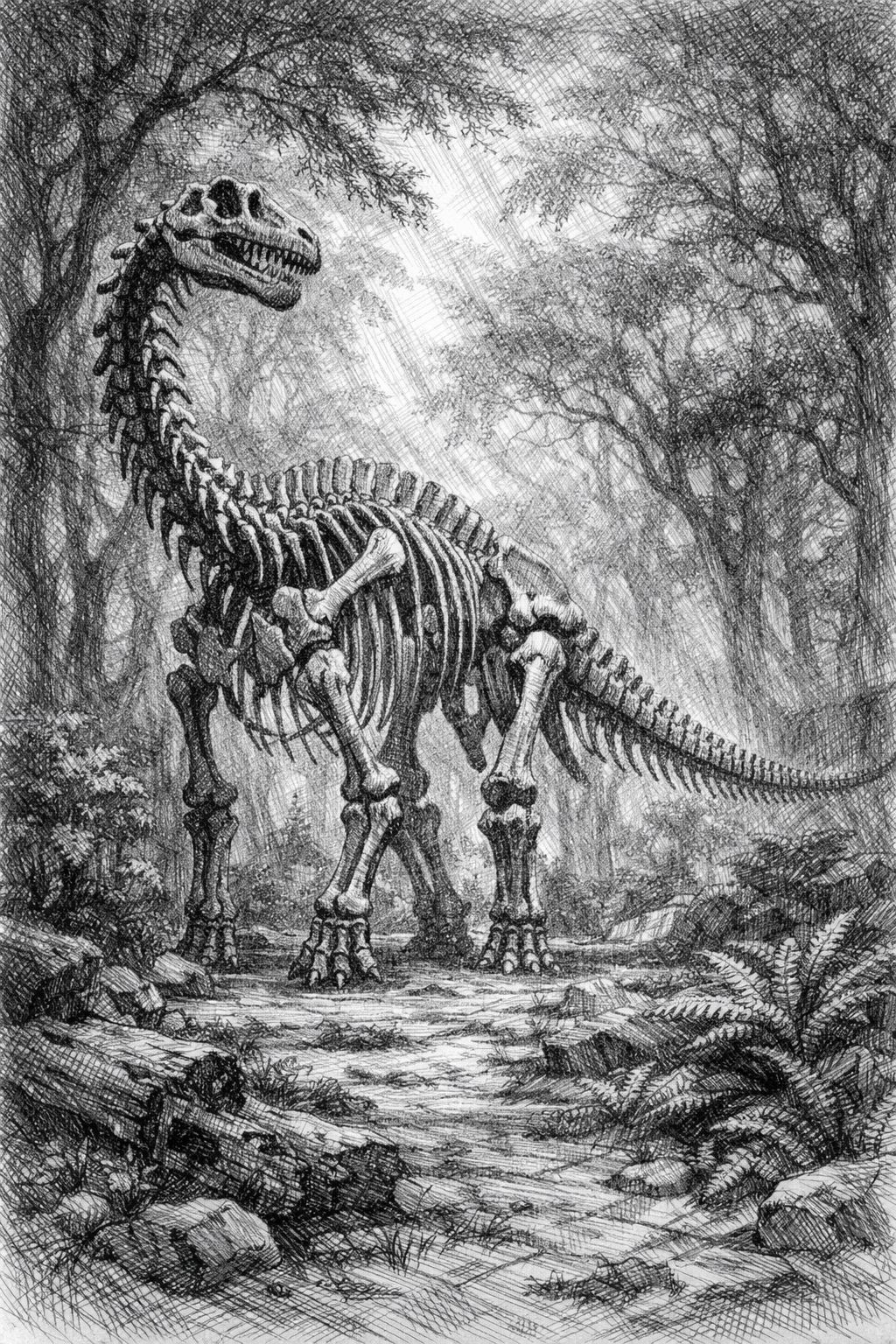
The Thai Department of Mineral Resources has made a monumental announcement, unveiling the discovery of an enormous dinosaur named 'Nakathitan'. This behemoth, classified as a sauropod within the Euhelopodidae family, is a significant find for the scientific community. Measuring 27 meters in length and weighing a staggering 26 tons, Nakathitan is undoubtedly one of the largest dinosaurs to have ever been discovered in Thailand.
According to experts, this incredible discovery holds immense importance as it provides valuable evidence for the study of natural history and paleobiology. Further research has revealed that Nakathitan is part of the Somphospondyli group, sharing a connection with other dinosaurs like Phuwiangosaurus, which roamed the Earth during the Early Cretaceous period, approximately 110 million years ago. Interestingly, as researchers have discovered, Nakathitan's skeletal structure suggests a transition from an opportunistic carnivore to a herbivore diet.
The department's announcement has sparked widespread interest and excitement among scientists and dinosaur enthusiasts alike, shedding new light on our understanding of these prehistoric creatures. The discovery of Nakathitan in the fossil-rich region of Chaiyaphum province is a testament to Thailand's rich natural heritage. As the first person to discover this massive creature, Thai researchers have made a significant contribution to the field of paleontology.
This groundbreaking find not only expands our knowledge of ancient life forms but also highlights the importance of continued exploration and research into the mysteries of the past. The discovery of Nakathitan is a remarkable achievement that will undoubtedly leave a lasting impact on the scientific community. The study of this incredible dinosaur will undoubtedly continue to captivate scientists and the general public alike, offering new insights into the evolution and diversity of life on Earth.
Smart Analysis
This discovery connects to the larger trend of ongoing research into prehistoric life forms and their ecosystems. The implications are far-reaching, with potential impacts on our understanding of evolutionary adaptations and dietary transitions in ancient species. Governments and scientific institutions may be affected by the need for further funding and resources to study this find. Citizens and enthusiasts will likely be captivated by the discovery, sparking renewed interest in paleontology and natural history.
Markets related to tourism and education may also see growth as a result of increased attention on Thailand's fossil-rich regions. Two plausible scenarios for what happens next include: 1) further excavation and analysis leading to new insights into the Somphospondyli group, or 2) international collaboration resulting in a comprehensive reevaluation of dinosaur classification systems. This discovery matters now because it highlights the importance of preserving natural heritage sites and investing in scientific research, which can have long-term benefits for our understanding of the world.

Comments
* Required Field
** Required Field.(will not be published)