Thailand Embraces Electric Vehicles with First Fast-Charging Station
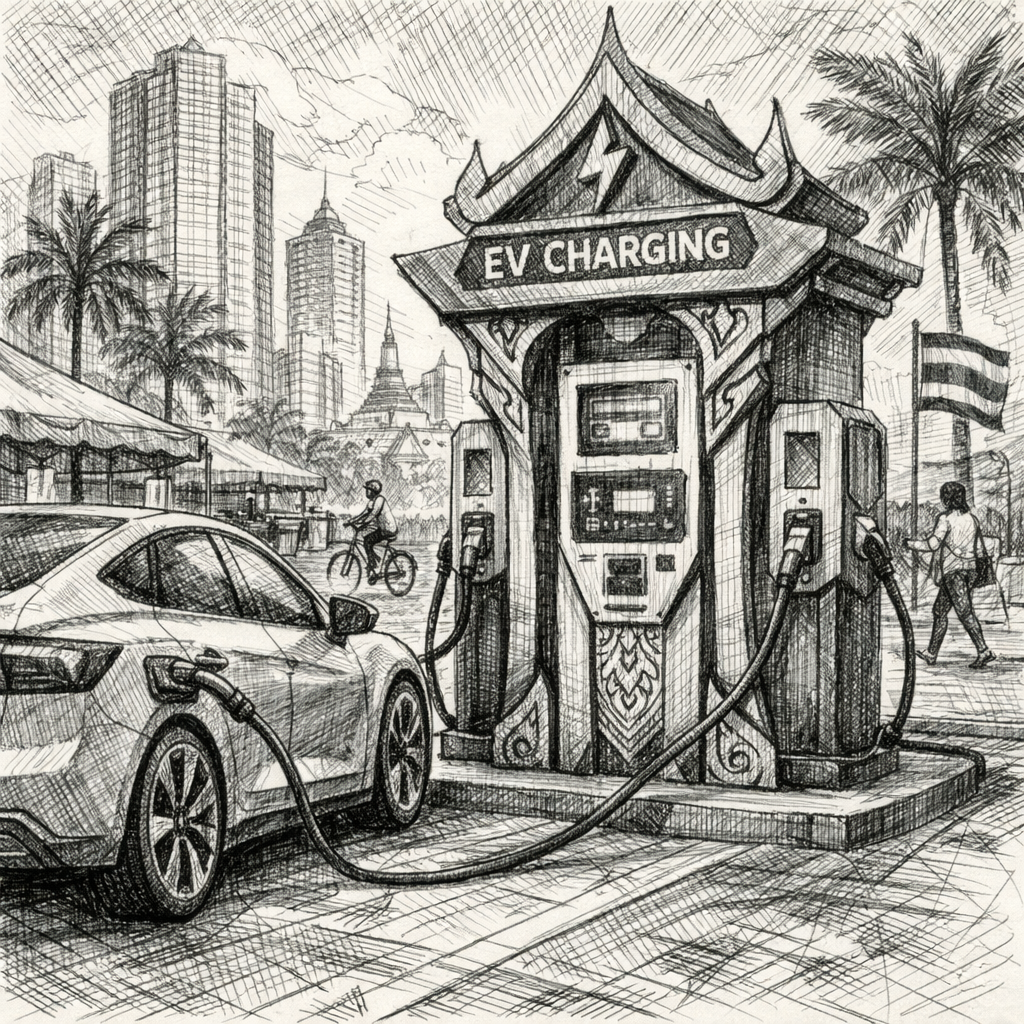
A major milestone in Thailand's transition to electric vehicles was marked with the launch of its first fast-charging station from a Chinese brand. Eviva, backed by China Resources Longdation and China Resources Gas, aims to reduce the country's carbon footprint which has grown significantly due to rapid economic expansion. The project received support from local authorities, including Senator Boonsong Pholkaeo who endorsed the initiative as a crucial step towards sustainability.
A key attendee at the launch was Veeraphat Kiatfuengfoo, a committee member of the Eastern Economic Corridor (EEC), which is working to promote Thailand's economic growth. The station itself utilizes cutting-edge technology for efficient charging, reducing wait times and environmental impact alike. While the initiative is timely, it coincides with broader efforts to boost the country's economy through tax reform.
A planned increase in Value-Added Tax from 7% to 10% in 2026 will see Thailand align with neighboring countries. However, proponents of the move argue that this increase could reduce debt-to-GDP ratio in Thailand to an achievable target of 60%.
Smart Analysis
This development connects to the larger trend of Southeast Asian nations transitioning towards electric vehicles, driven by regional economic growth and environmental concerns. The implications are far-reaching, with industries such as automotive manufacturing and energy sectors potentially benefiting from this shift. Governments in the region may also be forced to re-evaluate their transportation policies and infrastructure investments. Citizens can expect improved air quality and reduced carbon emissions, while markets may experience increased investment opportunities in EV-related technologies.
Two plausible scenarios for what happens next are: 1) Thailand's fast-charging network expands rapidly, becoming a model for other countries in the region, or 2) the country faces challenges in scaling up its EV infrastructure, potentially hindering economic growth. This initiative matters right now as it highlights the need for coordinated efforts to address climate change and reduce reliance on fossil fuels, particularly in emerging economies.

Comments
* Required Field
** Required Field.(will not be published)