Tropical Depression Brings Heavy Rainfall to Southern Thailand
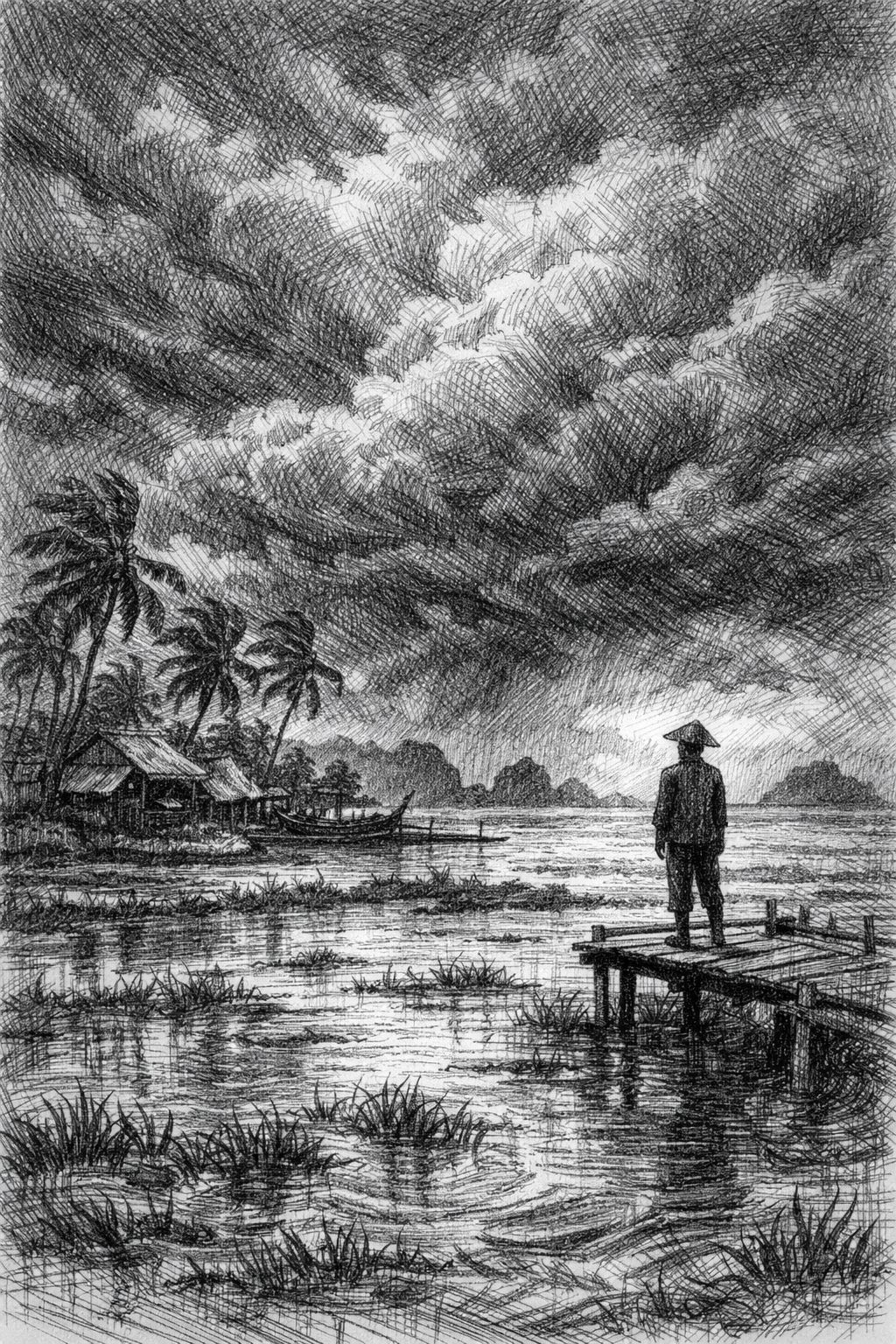
A tropical depression has brought heavy rainfall to the southern part of Thailand, causing increased water levels in the Gulf of Thailand and putting several provinces at risk of flooding. According to recent data, 38% of the country's water usage has already been consumed, with the highest demand being met by the agricultural sector. The water storage capacity stands at a relatively high 56%, but authorities are urging caution due to potential severe weather events in the coming days.
Meanwhile, local authorities and communities have begun collaborating on disaster management efforts, taking into account vegetation obstructions and water flow issues that could exacerbate flooding. In preparation for the risks ahead, agricultural activities such as rice and cash crop cultivation will require special attention to minimize losses. Water levels vary across different regions, with some areas, like the South, already at 65% capacity, while others, like the North, have reached an impressive 55%.
As officials work tirelessly to address these challenges, residents are advised to stay informed about weather forecasts and follow recommended safety guidelines to ensure their well-being.
Smart Analysis
The tropical depression in southern Thailand connects to a larger trend of increasing climate-related disasters globally. This suggests that countries with high water usage rates, such as Thailand, may face more frequent flooding and water shortages due to changing weather patterns. The implications are far-reaching, affecting not only the agricultural sector but also local communities and governments that must invest in disaster management infrastructure. Two plausible scenarios for what happens next include either a successful collaboration between authorities and residents to mitigate the effects of the tropical depression or an escalation of the situation leading to widespread flooding and economic losses.
This may lead to increased investment in climate-resilient agriculture and water management systems. The relevance of this event is heightened by Thailand's already strained water resources, making it crucial for policymakers to prioritize sustainable solutions. Ultimately, the success of disaster management efforts will depend on the effectiveness of community engagement and collaboration with authorities.

Comments
* Required Field
** Required Field.(will not be published)