Exploring Thailand on Two Wheels: A Scooter Renter's Guide
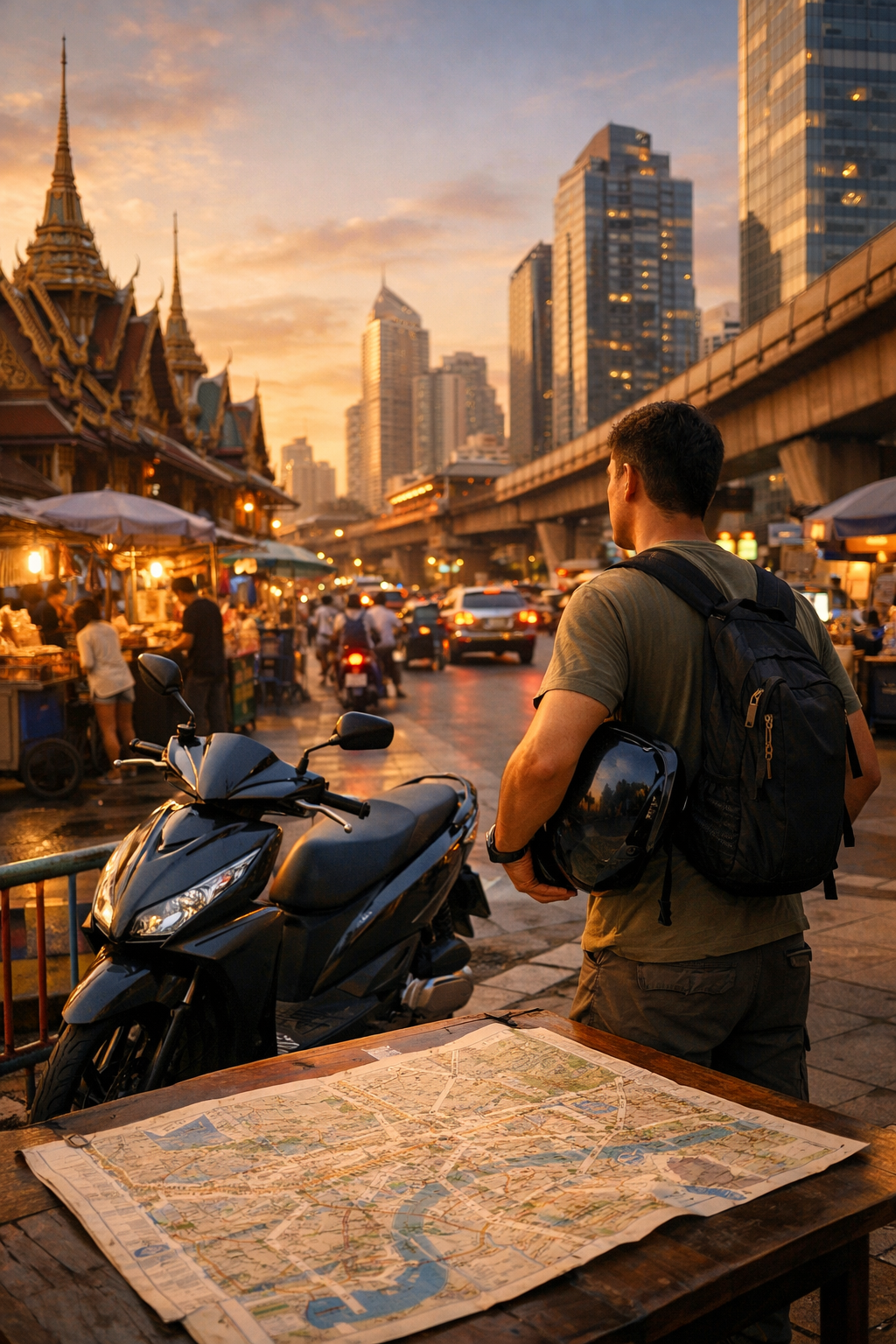
Traveling through the vibrant landscapes of Thailand can be an exhilarating experience, especially when you choose to explore on two wheels. Renting a scooter is not only practical for navigating congested cities but also provides an adrenaline-pumping adventure as you zip past temples and bustling street markets. However, with so many options available and varying regulations in different regions, it's crucial to know how to navigate this exciting yet challenging experience. This guide will walk you through every step of renting a scooter in Thailand, ensuring that your journey is safe, enjoyable, and full of memorable moments.
Why Rent a Scooter in Thailand?
Before diving into the nitty-gritty of rental procedures, it's essential to understand why scooters are so popular among travelers. For one, they offer unprecedented freedom compared to public transportation or taxis. You can effortlessly weave through traffic jams, park almost anywhere (though this comes with its own set of rules), and enjoy the fresh air while taking in the sights at your own pace.
Moreover, renting a scooter is affordable and environmentally friendly, making it an ideal choice for budget-conscious travelers who want to minimize their carbon footprint. As you cruise along winding roads or through bustling streets, you'll feel more connected to the local culture and lifestyle, providing a unique perspective on Thailand's rich tapestry of history, architecture, and daily life.
Where to Rent a Scooter
The first step in your scooter adventure is choosing where to rent one. Rental shops are abundant in popular tourist destinations like Bangkok, Chiang Mai, Phuket, and Krabi, as well as smaller towns and rural areas. Some hotels also offer rental services, which can be convenient but may not always provide the best rates or quality.
When searching for a reliable scooter rental shop, look for reviews online to ensure you're dealing with reputable vendors. Ask locals for recommendations if possible; they often have insider tips on where to find good deals and high-quality vehicles. Consider factors like location (proximity to your accommodation), availability of different models, and the condition of the scooters.
What Kind of Scooter Should You Rent?
Thailand offers a wide range of scooter sizes and types, from small 50cc models that are perfect for city driving to larger 125cc or even 150cc vehicles suitable for longer trips. The type you choose depends largely on your experience level and the kind of riding you plan to do.
For beginners or those who only intend to use their scooter in urban areas, a smaller model is usually sufficient. These scooters are easier to maneuver through traffic and require less maintenance. However, if you're planning longer journeys or expect to encounter more challenging terrain, such as mountain roads, a larger scooter will provide better performance and comfort.
What Documents Do You Need?
While Thailand generally allows foreign visitors to rent motorcycles, there are specific requirements based on the duration of your stay:
- Short-term Rental (up to 7 days): Typically, you only need a valid passport with at least six months validity remaining.
- Longer Rentals: For stays longer than seven days, some rental shops may require additional documentation such as an International Driving Permit (IDP) or a local Thai driving license.
Always check the specific requirements of your chosen rental shop in advance to avoid any last-minute hassles. It's also wise to carry a photocopy of your passport and visa just in case.
Insurance: Do You Need It?
Insurance is another crucial aspect to consider when renting a scooter. Most reputable rental shops include third-party insurance with their rates, but this often covers only damage caused by the rented vehicle to others or other vehicles. For comprehensive coverage that includes theft, loss, or damage to your own scooter, you may need to purchase additional insurance.
Before signing any contract, ask about what's included in the basic rate and whether extra insurance is mandatory or optional. If it’s not compulsory but recommended, weigh its cost against potential risks based on your travel plans and personal comfort level.
Safety Tips for Scooter Riders
Safety should always be a top priority when riding a scooter, especially in a country where road rules can seem chaotic to newcomers:
- Wear Protective Gear: Always wear a helmet that fits properly. Some rental shops provide helmets, but it’s wise to bring your own if you have one.
- Understand Local Traffic Laws: While traffic rules might be loosely followed, always adhere to them yourself. This includes wearing lights at night and using indicators when turning.
- Stay Alert: Be mindful of pedestrians, tuk-tuks, and other vehicles that may not follow standard road etiquette.
- Avoid Dangerous Areas: Some areas have higher crime rates or more challenging driving conditions. Ask locals for advice on which neighborhoods to avoid.
Maintenance and Routine Checks
Regular maintenance can prevent many common issues while traveling by scooter:
- Check the Oil: Before setting off, ensure that the engine oil is at an appropriate level.
- Inspect Tires: Check tire pressure and condition; under-inflated or worn tires can lead to poor handling and increased risk of punctures.
- Test the Brakes: Make sure both front and rear brakes are functioning correctly.
It’s also a good idea to keep a small toolkit with you, including items like spare fuses, duct tape, and basic repair tools. Most rental shops provide emergency contact numbers for roadside assistance if needed.
Tips for Navigating Thailand by Scooter
Navigating on two wheels in Thailand can be quite different from driving or riding elsewhere:
- Learn Basic Thai Phrases: Knowing how to ask directions in Thai (or carrying a translation app) can help you find your way when GPS fails.
- Use Maps Wisely: Digital maps like Google Maps are useful, but often show only main roads. Local knowledge is invaluable for finding shortcuts and avoiding heavy traffic.
- Respect Cultural Norms: Be courteous to locals; Thailand’s culture places a high value on respect and politeness.
Staying Legal: Understanding the Laws
While renting a scooter in Thailand can be straightforward, it's important to understand some key legal aspects:
- License Requirements: Foreigners must hold an International Driving Permit (IDP) or obtain a Thai driving license if they plan to drive for more than seven days.
- Speed Limits and Fines: Speed limits vary from 40 km/h in residential areas to up to 100 km/h on highways. Penalties for speeding can be severe, including fines and possible confiscation of your vehicle.
Dealing with Emergencies
Despite taking all precautions, emergencies can still happen:
- Know Emergency Numbers: Keep a list of emergency contacts handy, including the rental shop’s number.
- First Aid Kit: Carry basic first aid supplies in case of minor injuries.
- Roadside Assistance: Many rental services offer roadside assistance; ensure you know how to contact them.
Summary and Checklist
Renting a scooter in Thailand can be one of the most enjoyable ways to explore this beautiful country. By following these tips, you'll be well-prepared for an exciting adventure:
- Choose your scooter based on experience level and planned use.
- Ensure all necessary documents are ready.
- Consider purchasing additional insurance if required or recommended.
- Focus on safety by wearing protective gear and staying alert to road conditions.
- Regularly check the vehicle’s condition.
- Use local knowledge for navigation.
Embark on your Thai scooter journey with confidence, knowing you’re prepared for a safe yet thrilling experience. Happy riding!