Top Tips for Renting a Scooter in Thailand
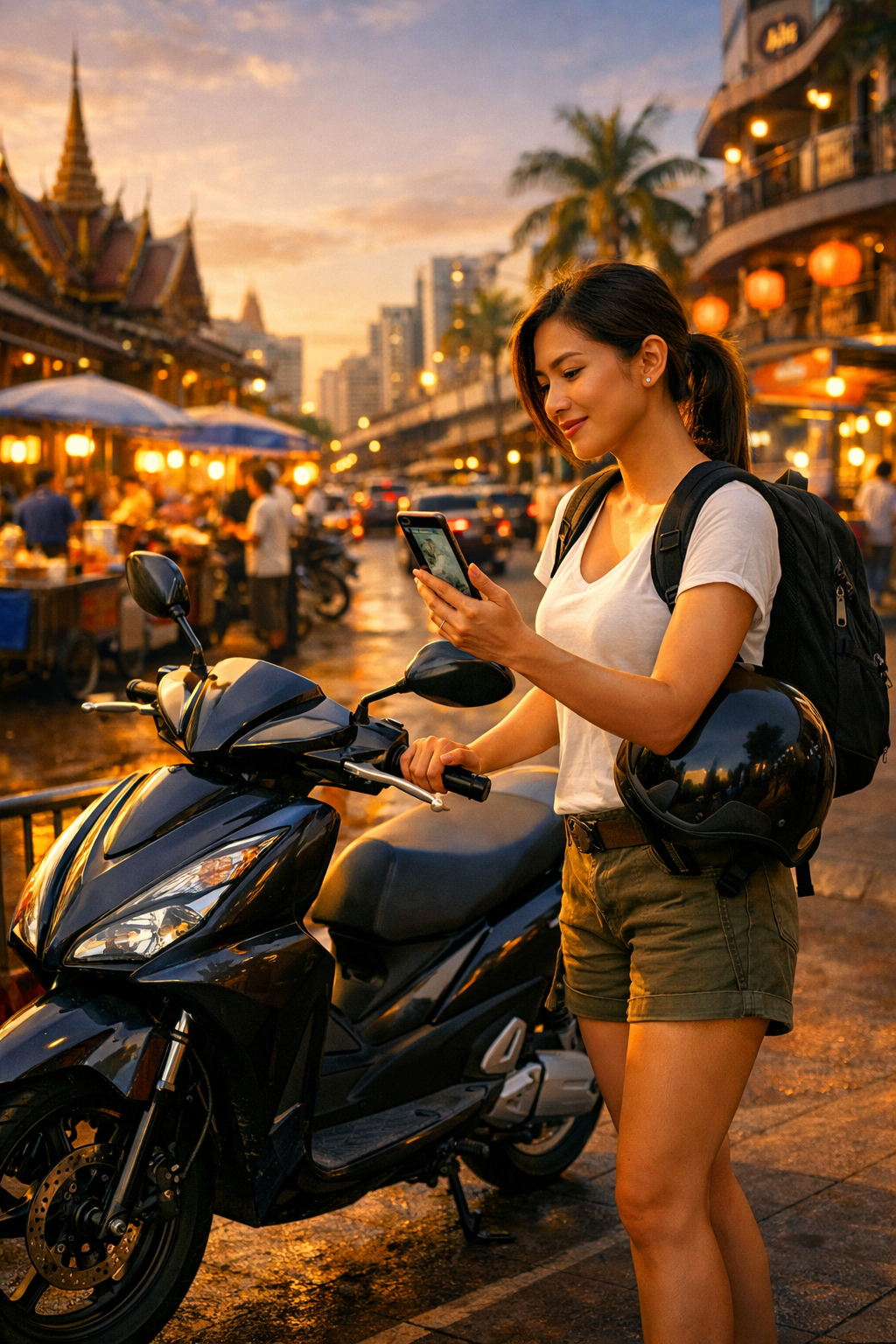
Renting a scooter in Thailand is an exciting way to explore the country, providing both freedom and flexibility. Whether you are planning your first trip or looking to refine your experience, navigating the local rental market can sometimes be daunting. From understanding what to look out for before signing up with a rental service to ensuring safety on the roads, this guide will walk you through everything you need to know.
Understanding Why Scooters Are Popular in Thailand
Scooters are not just vehicles; they're a way of life in Thailand. They offer unmatched mobility within cities and smaller towns where public transportation might be limited or inconvenient. The compact size makes them ideal for weaving through heavy traffic, parking is generally easier, and they consume less fuel than cars.
Before You Rent: Important Considerations
Before you rent a scooter, there are several key points to consider that can make your trip more enjoyable and hassle-free:
1. Age Restrictions
Ensure you meet the age requirements for renting scooters in Thailand; typically, this is around 20 years old with a valid driving license.
2. Valid Driving License
You will need an international driver's license to legally drive a scooter in Thailand. Check if your country issues these licenses and obtain one before traveling.
3. Familiarize Yourself with Thai Traffic Laws
While riding, you must adhere to local traffic laws and regulations, which can be quite different from what you're used to back home. For instance, always wear a helmet (it's the law), keep your lights on during the day for better visibility, and avoid driving under the influence of alcohol or drugs.
Choosing the Right Rental Service
Selecting the right rental service is crucial as it affects not only the quality of the scooter but also customer service and support when you need it most:
1. Research Online
Use travel forums, review websites, and social media to gather feedback on different scooter rental services in Thailand.
2. Read Reviews
Check for reviews from previous customers to understand common issues or standout qualities about each service provider.
3. Compare Prices
Costs can vary greatly depending on the type of scooter you choose, where you rent it (city center vs outskirts), and how long you plan to keep it. Get quotes from different places and compare them based on what they include in their rates.
Types of Scooters Available for Rent
Understanding the types available will help match your needs with an appropriate vehicle:
1. Small Scooter
Ideal for city driving due to its small size, these scooters are efficient but may not be suitable for long-distance travel or carrying heavy luggage.
2. Big Bike
For those who prefer more power and space, big bikes offer better performance and comfort, though they might cost a bit more.
Safety First: What to Check Before Taking Off
Safety is paramount when riding on Thai roads; here’s what you should check before hitting the streets:
1. Helmet Quality
Ensure that the helmet provided fits properly and meets safety standards. It's not uncommon for rental shops to have multiple helmets available if your first choice doesn’t fit right.
2. Brakes and Lights
Test both brakes (front and rear) as well as all lights (headlights, tail lights, turn signals). A good test of the front brake is trying to lift the back wheel; it should lock up before lifting significantly.
3. Gas Levels
Always start with a full tank unless you are confident about refueling stations along your route. It’s also wise to familiarize yourself with how much gas the scooter consumes per kilometer.
Basic Driving Tips for Foreigners
Driving in Thailand can be exhilarating but also challenging due to differences from home:
1. Drive Defensively
Thailand has a reputation for chaotic traffic, so always assume that other drivers might make mistakes and be ready to react accordingly.
2. Use Turn Signals
Even though it's not commonly practiced by locals, use your turn signals generously to communicate with others on the road.
3. Stay Alert at Night
Night driving requires extra caution as visibility decreases, and some roads may lack proper lighting or markings.
Maintenance and Troubleshooting
Being prepared for unexpected situations can save you a lot of hassle:
1. Basic Tools
Carry a basic toolkit that includes items like tire levers, spare fuses, and any other small parts specific to your scooter model.
2. Know Your Route
Plan your route ahead of time using reliable navigation tools or apps designed for motorcyclists. Keep track of potential repair shops along the way just in case.
Returning the Scooter
Returning a rented scooter can sometimes be as tricky as renting one:
1. Check Condition at Return
When returning, make sure both you and the rental agency agree on the condition of the vehicle. Take photos if necessary to protect yourself from any disputes over damages claimed by the company.
2. Refuel Before Returning
Most contracts stipulate that scooters must be returned with a full tank of gas. Avoid extra charges by filling up before returning your scooter.
Summary and Checklist
To summarize, renting a scooter in Thailand is an adventure but comes with its challenges: - Ensure you have the right documents. - Choose reputable rental services based on research and reviews. - Be prepared for different driving conditions and laws. - Always prioritize safety checks before starting your ride.
Checklist Before Renting:
- Have international driver's license.
- Research local traffic laws.
- Select a reliable rental service.
- Ensure scooter meets all safety standards (brakes, lights, helmet).
- Familiarize yourself with basic troubleshooting and maintenance needs.
- Plan your route including potential repair shop locations.
By following these guidelines, you'll not only enjoy the freedom of exploring Thailand on two wheels but also ensure a safe and memorable journey. Happy travels!