Festivals and Events: Timing Your Trip to Thailand Perfectly
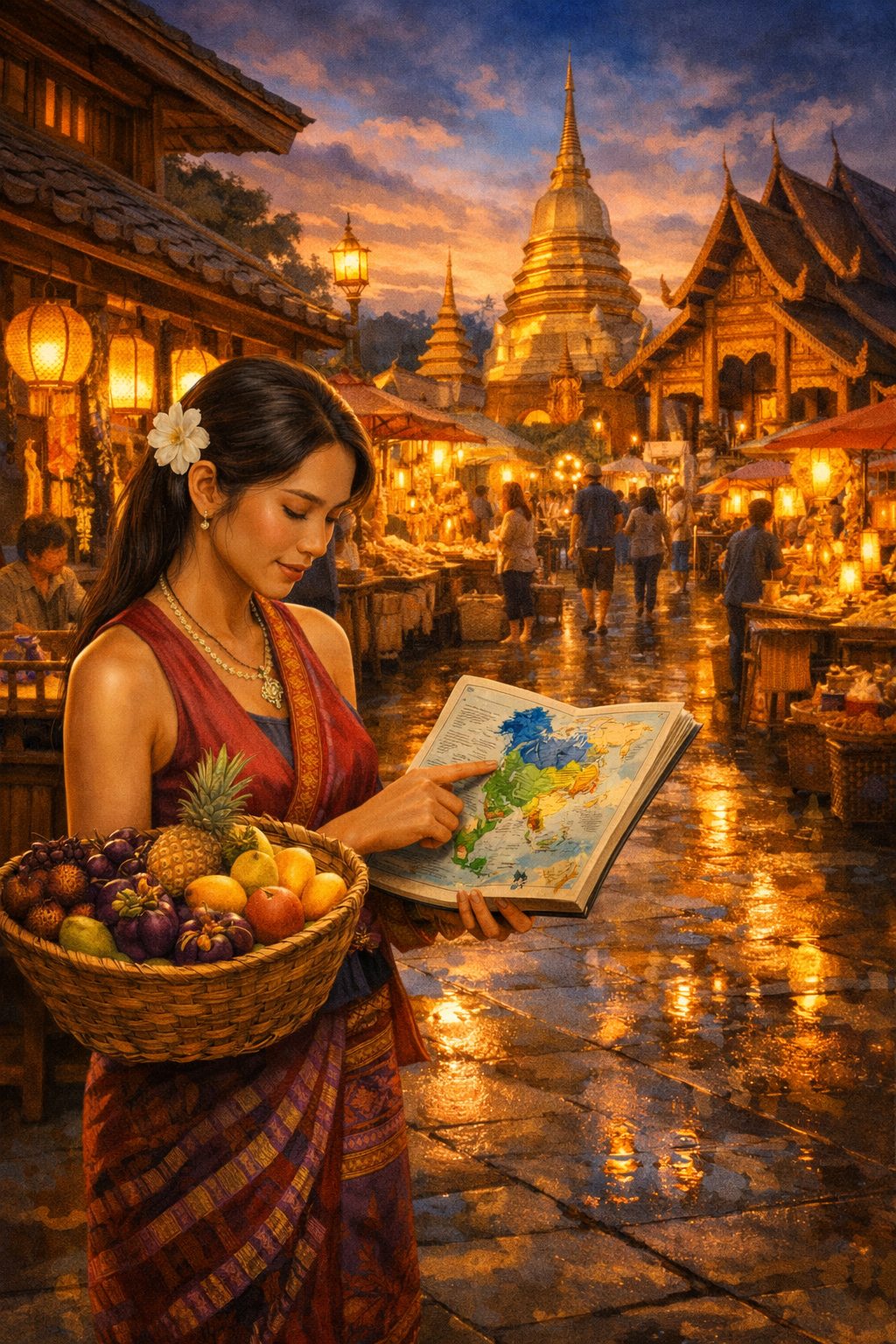
Planning a trip to Thailand is an exciting adventure, but navigating the best time to visit can feel like solving a complex puzzle. Whether you're looking to catch a traditional festival or simply enjoy ideal weather conditions, timing your visit correctly can significantly enhance your experience. Here’s how to plan your Thai getaway perfectly based on the region and events that interest you most.
Understanding Thailand's Climate
Thailand is a diverse country with distinct climate zones, each offering its own unique advantages at different times of the year. The northern part, encompassing Chiang Mai and Chiang Rai, experiences cooler temperatures than the rest of the country. In contrast, the central region around Bangkok has higher humidity levels throughout most of the year, while the south enjoys a more tropical climate with rain being a frequent visitor.
The North: Chiang Mai and Beyond
Chiang Mai is one of Thailand's most popular destinations for travelers seeking cooler weather and cultural festivals. The best time to visit is during the cool season from November to February when temperatures are comfortable at around 20-30°C (68°F - 86°F). This period also coincides with several significant events, including the Yi Peng Lantern Festival in late October or early November, where the sky lights up with thousands of floating lanterns.
Central Thailand: Bangkok and Beyond
Bangkok is vibrant year-round but can be particularly lively during the Songkran Festival (Thai New Year) from April 13th to 15th. This water festival turns the city into one big water fight, a fun yet sometimes chaotic experience best enjoyed when you're ready for a soaking! If avoiding the crowds and higher prices is your priority, consider visiting in late February or early March, just before Songkran. During this time, temperatures are still warm but not as hot as during peak summer months.
Eastern Thailand: Beaches and Beyond
The eastern seaboard of Thailand, including popular beach destinations like Pattaya and Koh Chang, benefits from a slightly cooler climate compared to the central region. The best period here is between November and February when the weather is pleasant and there's less chance of rain. However, if you're keen on surfing or want to experience fewer crowds, visiting in March through May can be rewarding.
Southern Thailand: Beaches and Diving Spots
The south offers year-round warmth with distinct wet (May-October) and dry (November-April) seasons. The dry season is generally considered the best time for beach-goers due to clearer waters and fewer rains, making it ideal for diving and snorkeling at spots like Koh Tao or Koh Samui. If you're a fan of rainforest trekking, visiting during the wetter months can offer lush green scenery and lower prices.
Special Events Across Thailand
No discussion about timing your visit to Thailand would be complete without considering its rich tapestry of festivals and events: - Water Festival (Songkran): April 13th - 15th - Loy Krathong: November, a festival where you can release floating baskets into rivers. - Vegetarian Festival in Phuket: September or October - Boat Racing Festival at Nakhon Si Thammarat: December
Summary and Checklist
To sum up, the best time to visit Thailand varies based on your interests and which region you're targeting. The north is excellent from November to February for cooler weather and cultural festivals. Bangkok’s peak season is during Songkran (April), but visiting in late winter can offer a more relaxed experience. Eastern and southern beaches are generally pleasant year-round, with the dry season being ideal for sun-seekers.
Your Trip Planning Checklist:
- Identify which regions interest you most.
- Consider attending specific festivals or events.
- Check weather patterns to avoid heavy rainfall if it's not part of your travel plans.
- Be aware that peak festival times mean higher prices and crowds; plan accordingly.
By timing your trip according to these tips, you’ll be well on your way to experiencing Thailand at its most vibrant and enjoyable!