Navigating Thai Culture: Tips for Digital Nomads
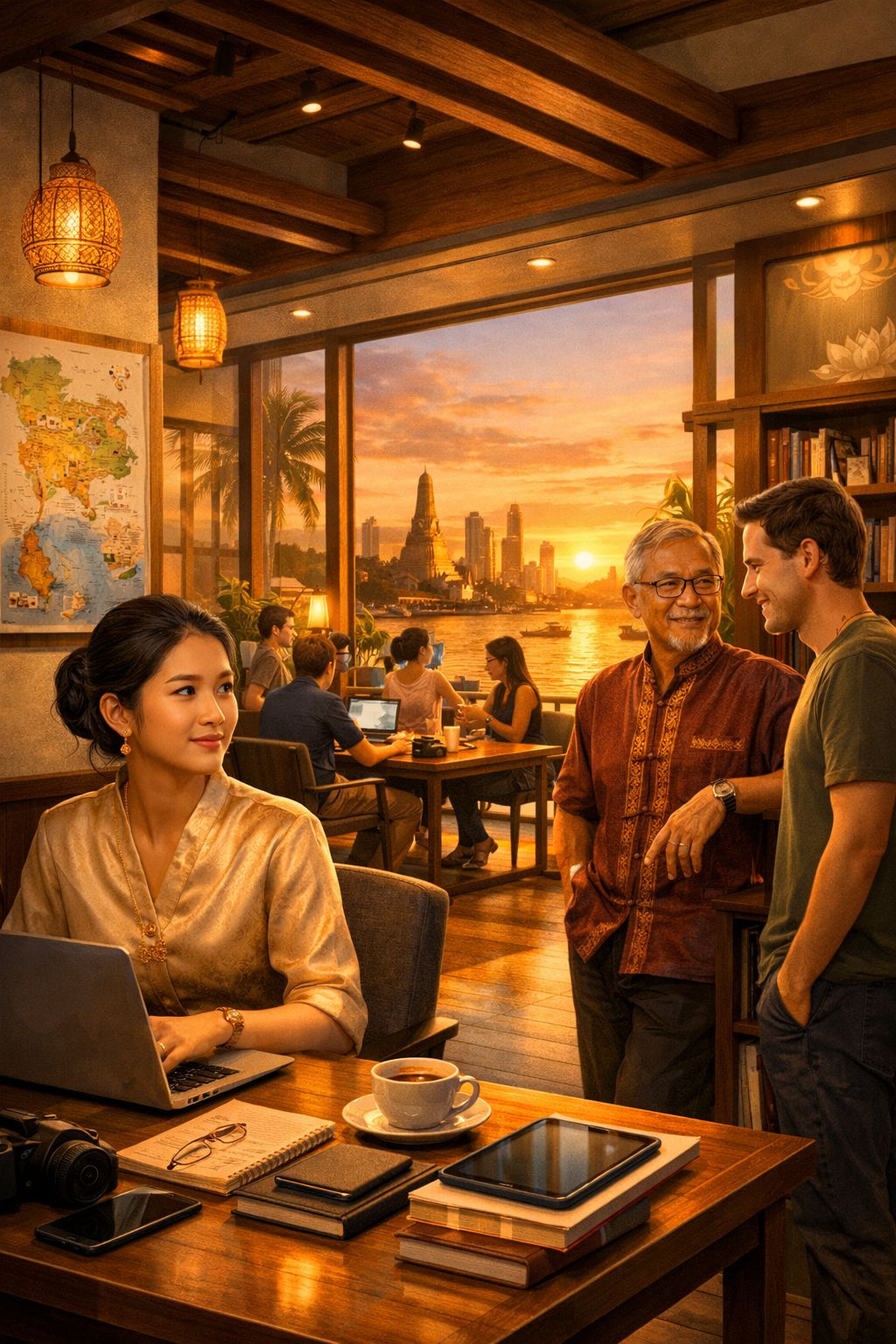
Navigating a new culture can be an exciting yet daunting task, especially when you're settling into a foreign country as a digital nomad. Thailand, with its rich cultural tapestry and booming digital nomad community, is particularly alluring to those looking to combine work with travel. However, understanding the nuances of Thai culture is essential for making your stay not just enjoyable but also respectful and enriching. This guide offers practical advice on navigating Thai culture as a digital nomad, ensuring you can fully immerse yourself in this vibrant Southeast Asian gem.
Understanding the Basics
Before diving into the specifics of cultural etiquette and daily life in Thailand, it's important to grasp some foundational aspects that shape Thai society:
1. Respect for Elders: The concept of respect (khop khun) is deeply ingrained in Thai culture. Show deference to elders, teachers, and those in positions of authority by using polite language and avoiding direct confrontation.
2. Buddhism’s Influence: As the predominant religion, Buddhism plays a significant role in daily life. Respect for temples (wats), monks, and religious practices is crucial. Always remove your shoes before entering a temple or someone's home, dress modestly when visiting sacred sites, and avoid touching anyone on the head.
3. Community Over Individualism: Thai society emphasizes community harmony over individual achievement. Be mindful of how your actions might affect others and strive to maintain social harmony (santidhamma).
Daily Life as a Digital Nomad
Work-Life Integration
Thailand offers an array of workspaces catering to digital nomads, from cozy co-working spaces in Chiang Mai to vibrant cafes in Bangkok. Most locals are curious about foreigners working remotely and generally welcoming. However, it’s important to blend in by learning some basic Thai phrases like "khob khun ka/krap" (thank you) or "sawasdee ka/krap" (hello), which can go a long way in fostering positive interactions.
Living Expenses
Accommodation is relatively affordable compared to many Western countries, ranging from budget-friendly guesthouses to luxury apartments. Utilities and groceries are also cost-effective. However, be prepared for potential power outages during the rainy season or unexpected water shortages, especially in rural areas.
Transportation
Public transport in major cities like Bangkok can sometimes feel overwhelming due to its vastness and complexity. Consider using Grab or local tuk-tuks as alternatives. Always negotiate prices before you get in a tuk-tuk; otherwise, agree on the fare upfront to avoid disputes later.
Cultural Etiquette Tips
Greetings
The traditional greeting is the wai, where palms are pressed together at chest level and the head slightly bowed. It's respectful to perform this gesture when meeting locals or entering shops and restaurants.
Dining Customs
Thai cuisine is a delight for food lovers. When dining out, it’s customary to share dishes among friends. Chopsticks are generally used only in Thai-Chinese establishments; otherwise, forks and spoons are standard. Avoid using your fork as a utensil for pushing food onto the spoon with your left hand.
Social Interactions
Direct eye contact is seen as aggressive or confrontational in Thailand. A slight bow of the head while smiling is a polite way to acknowledge someone’s presence without engaging them directly. This non-confrontational approach is key to maintaining social harmony and respect.
Health and Safety
Thailand boasts excellent healthcare facilities, especially in urban areas. However, it's advisable for digital nomads to carry basic medical supplies and ensure they have travel insurance that covers emergencies. Be cautious of water quality outside major cities; bottled or filtered water is always a safe bet.
Cultural Festivals and Traditions
Participating in local festivals like Songkran (the Thai New Year, celebrated with much water throwing) can be an exhilarating way to immerse yourself in the culture. However, do so respectfully by not aiming water at religious figures or elders.
Learning the Language
While many Thais speak some English, learning a few Thai phrases can significantly enhance your experience. Basic communication skills will help you navigate everyday situations and show respect for local customs.
Summary: Your Checklist to Navigating Thai Culture
- Show deference to elders and those in authority.
- Respect religious sites and practices by dressing modestly and removing shoes.
- Integrate work with community life and understand the importance of social harmony.
- Learn basic greetings like "wai" and polite phrases such as "khob khun ka/krap."
- Be mindful of dining etiquette, especially when sharing dishes.
- Use respectful body language, avoiding direct eye contact and aggressive gestures.
- Ensure health and safety by carrying medical supplies and having insurance.
Navigating Thai culture is a rewarding experience that enriches your stay in this beautiful country. By following these tips, you can embrace the warmth of Thailand while contributing positively to its vibrant digital nomad community. Embrace every moment as an opportunity for cultural exchange and personal growth.