The Ultimate Travel Itinerary for Digital Nomads in Thailand
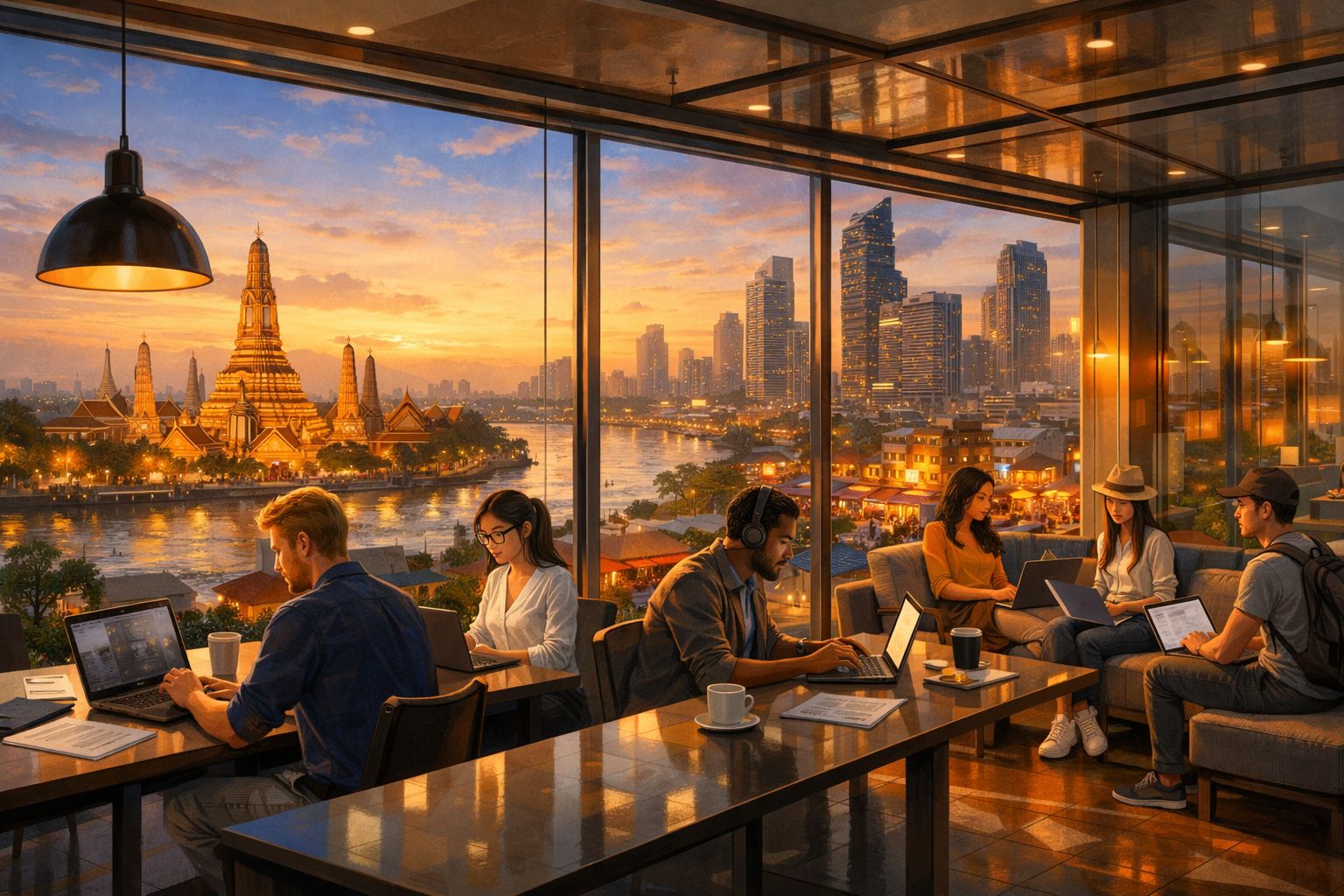
Are you a digital nomad looking to combine work with tropical vibes, stunning landscapes, and rich cultural experiences? Thailand is one of the world’s top destinations for remote workers. With its affordable cost of living, fast internet speeds, vibrant expat communities, and breathtaking scenery, it's easy to see why so many are drawn here. But navigating through all the options can be overwhelming.
In this guide, we'll break down how you can create an itinerary that balances productivity with pleasure in Thailand. From where to work remotely to which beaches to unwind on, we’ve got you covered.
Choose Your Base: Cities for Digital Nomads
Thailand offers several cities ideal for digital nomads, each offering unique benefits:
- Bangkok – The bustling capital is your best bet if you want access to all amenities and vibrant nightlife. It’s also the hub of Thailand's startup community, making it great for networking.
- Chiang Mai – Ideal for those who prefer a more relaxed pace with cooler weather. Known for its digital nomad hubs like Nimman Road, Chiang Mai is also close to several natural attractions.
- Phuket and Krabi – For those who want proximity to beaches and can handle the heat, these southern destinations offer great work-life balance opportunities.
Setting Up Your Workspace
Whether you're looking for a private office or prefer working from coffee shops, Thailand has options:
- Cohousing Spaces – These provide more community-oriented environments with shared spaces like kitchens and lounges.
- Co-working Spaces – Chiang Mai's Base Camp Digital Nomad Hub or Bangkok’s Workbench are among the best for meeting fellow professionals and finding inspiration.
- Hotels & Hostels with Wi-Fi – Many hotels offer free internet, making them a flexible option if you're traveling around.
Making Thailand Your Home
Before moving to Thailand as a digital nomad, ensure your legal status is in order:
- Visa Requirements – Most foreigners need a visa to stay beyond 30 days. The Non-Immigrant (B) or ED Visa are popular choices.
- Residence Permit (TR Permit) – For extended stays, consider obtaining this permit which allows you to live and work in Thailand for up to one year.
Balancing Work with Play
Thailand’s beauty lies not just in its cities but also in the surrounding natural wonders:
- Island Hopping – From Phi Phi Islands near Krabi to Koh Samui, there are endless beaches to explore.
- Cultural Experiences – Visit ancient temples like Wat Phra Kaew and learn about Thai culture through traditional dance performances or cooking classes.
- Adventure Activities – For the thrill-seeker, try rock climbing in Railay, kayaking on the Kwai River, or ziplining over the forests of Chiang Mai.
Budgeting Your Stay
Living costs vary greatly depending on your lifestyle and chosen city:
- Accommodation – Rent can range from $250 for a studio apartment in Bangkok to as low as $30 per month for a room in Chiang Mai.
- Food & Drinks – Eating out can be very affordable, with meals starting at just a few dollars.
- Transportation – Tuk-tuks and motorbikes are popular choices; buying your own bike can be an economical long-term solution.
Safety Tips for Digital Nomads
While Thailand is generally safe, here are some tips to keep in mind:
- Beware of Pickpockets – Especially in crowded areas like markets or public transport.
- Stay Hydrated and Use Sunscreen – The tropical climate can be harsh on your skin.
- Respect Local Customs – Learning basic Thai phrases will go a long way, showing respect for the culture.
Final Tips
- Healthcare Access – International hospitals are available in major cities; consider travel insurance that covers medical expenses.
- Language – While English is widely spoken, learning some Thai can be very rewarding and useful in smaller towns or villages.
- Networking Events – Join local groups on social media platforms to meet other digital nomads and locals.
Conclusion
Thailand offers a perfect blend of work-life balance for digital nomads. With its beautiful landscapes, vibrant culture, and supportive communities, it’s an ideal location whether you’re looking for short-term travel or long-term residence. Remember to plan your itinerary based on what matters most to you – from the type of community you want to be part of to the kind of adventures you wish to embark upon.
Checklist Before You Go
- Research visa and permit requirements.
- Choose a city that aligns with your lifestyle (work, play).
- Book accommodation or look into work-camp options.
- Plan for some cultural experiences and natural excursions.
- Pack light but smartly for the climate.
Now it’s time to pack your bags and embark on an adventure in Thailand. Happy travels!