"Staying Safe and Sound: A Tourist's Guide to Thailand"
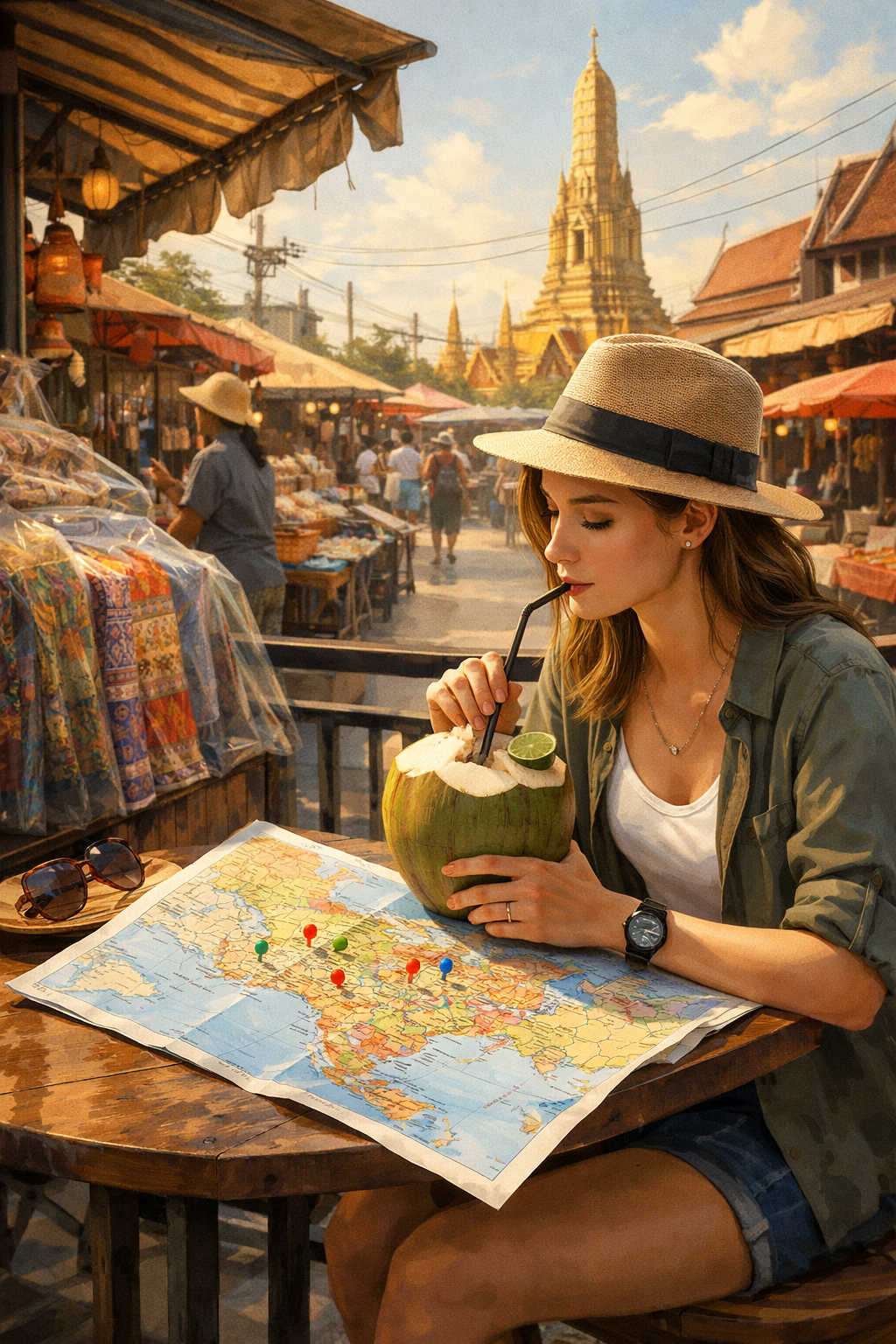
So, you're dreaming of Thailand! Stunning temples, vibrant markets, delicious food, and breathtaking beaches – it's easy to see why it’s a top destination for travelers. But as with any trip abroad, you’ll naturally want to know: how safe is Thailand, and what can I do to ensure a worry-free adventure? This guide is here to answer those questions and equip you with the knowledge to navigate Thailand confidently and enjoyably. We'll cover everything from petty theft to natural disasters, providing practical tips and advice to keep you safe and sound.
Understanding the Safety Landscape
Thailand is generally a safe country for tourists. Violent crime is relatively rare, particularly when compared to many other parts of the world. However, like any popular tourist destination, it’s not immune to crime, and certain risks are more prevalent. These often involve petty theft, scams targeting tourists, and road safety concerns. Understanding these potential issues is the first step towards enjoying a safe trip.
Petty Theft and Scams: Be Aware, Be Vigilant
This is the most common safety concern for tourists. Pickpocketing, bag snatching, and scams can occur, especially in crowded areas like markets, temples, and on public transport.
- Protect Your Belongings: This seems obvious, but it's crucial. Keep your valuables (passport, money, phone) secure. Use a money belt or a hidden pouch. Don’t flash expensive jewelry or electronics. When in crowded areas, be mindful of your surroundings and keep your bag close to your body, preferably in front of you.
- Beware of "The Helpful Stranger": Be wary of anyone who approaches you offering unsolicited help, especially if they seem overly friendly or insistent. This is a common tactic used by scammers. If someone offers to help carry your luggage or find a great deal, politely decline and proceed with caution.
- Gem Scams: Unfortunately, gem scams are a recurring issue. Never buy gems from street vendors or individuals who approach you offering “amazing deals.” Reputable jewelry stores are the safest option. If a deal seems too good to be true, it probably is.
- Temple Scams: Some individuals may approach you at temples claiming to be monks or guides and requesting money for "temple upkeep" or "ceremonies." While legitimate donations are welcome, be cautious and confirm the person's credentials before handing over any money. If unsure, ask a temple official.
- Taxi Scams: Always insist on using the meter in taxis. If the driver refuses, find another taxi. Ride-hailing apps like Grab are a safer and often cheaper alternative. Be aware of drivers who offer unsolicited tours or transportation to specific shops – these are often part of a scam.
- ATM Safety: Use ATMs located inside banks whenever possible. Cover the keypad when entering your PIN to prevent shoulder surfing. Be aware of your surroundings and don't let anyone distract you while using the ATM.
Road Safety: A Critical Concern
Road accidents are a significant cause of injury and death in Thailand, particularly for tourists. Traffic can be chaotic, and driving customs can be different from what you’re used to.
- Motorbike Safety – Proceed with Extreme Caution: Renting a motorbike is a popular way to explore Thailand, but it's also incredibly dangerous. You need an international driver's license, and even then, Thai traffic laws are often disregarded. If you are not an experienced motorbike rider, do not rent one. The risk of serious injury is very high. Always wear a helmet, and ensure the rental company provides one that fits properly.
- Tuk-Tuk Safety: Tuk-tuks are a fun and iconic mode of transport, but negotiate the fare before you get in. Some tuk-tuk drivers may try to overcharge tourists or take you to shops where they receive commissions.
- Pedestrian Safety: Be extra cautious when crossing roads. Traffic doesn't always stop for pedestrians. Look both ways (and then look again!) before crossing, even at crosswalks.
- Seatbelts: Always wear a seatbelt, both in the front and back seats.
- Avoid Driving at Night: If you’re driving yourself, avoid driving at night due to reduced visibility and increased risk.
Health and Medical Safety
- Food and Water Safety: While Thai food is delicious, be mindful of food hygiene. Eat at reputable restaurants and street food stalls that appear clean and busy. Drink bottled water only. Avoid ice unless you’re sure it’s made from purified water.
- Mosquito-Borne Diseases: Dengue fever, Zika virus, and malaria are present in Thailand. Protect yourself from mosquito bites by using insect repellent, wearing long sleeves and pants, and sleeping under a mosquito net.
- Sun Protection: The Thai sun is strong. Wear sunscreen, a hat, and sunglasses to protect yourself from sunburn.
- Medical Insurance: Make sure you have comprehensive travel insurance that covers medical expenses, including evacuation.
- Pharmacies: Pharmacies are readily available and often well-stocked. Many medications are available over the counter.
Natural Disasters & Weather Considerations
Thailand is prone to certain natural disasters.
- Monsoon Season: The monsoon season typically runs from May to October. Be prepared for heavy rainfall and potential flooding.
- Typhoons/Tropical Storms: While less frequent, Thailand can be affected by typhoons or tropical storms. Stay informed about weather forecasts and heed any warnings issued by local authorities.
- Earthquakes: Thailand is located in a seismically active zone. While major earthquakes are rare, be aware of the potential for tremors.
- Stay Informed: Monitor weather reports and heed any warnings from local authorities. Your hotel or guesthouse will usually be a good source of information.
Respecting Local Culture & Customs
While not directly related to physical safety, respecting Thai culture and customs contributes to a safer and more enjoyable experience.
- Dress Modestly: When visiting temples, dress respectfully – cover your shoulders and knees.
- Remove Your Shoes: Remove your shoes before entering temples and some homes.
- The "Wai": The "wai" (a slight bow with hands pressed together) is a traditional greeting. It’s polite to return the wai when someone greets you.
- Public Displays of Affection: Public displays of affection are generally frowned upon.
Summary & Checklist for a Safe Trip to Thailand:
Thailand offers incredible experiences, and with a little preparation, you can enjoy a safe and memorable journey.
- ☐ Secure your valuables: Money belt, hidden pouch.
- ☐ Be wary of strangers: Politely decline unsolicited offers.
- ☐ Negotiate taxi fares: Use meters or ride-hailing apps.
- ☐ Prioritize motorbike safety: If in doubt, don't rent one.
- ☐ Drink bottled water: Avoid ice unless you're sure it’s purified.
- ☐ Protect yourself from mosquitoes: Repellent, long sleeves.
- ☐ Have travel insurance: Covering medical expenses and evacuation.
- ☐ Stay informed about weather: Monitor forecasts and heed warnings.
- ☐ Respect local customs: Dress modestly, remove shoes.
Enjoy your adventure in the Land of Smiles! With awareness and a few simple precautions, you'll be well-equipped to explore Thailand safely and create lasting memories. Bon voyage!