Transportation Safety in Thailand: Navigating Roads & Public Transit
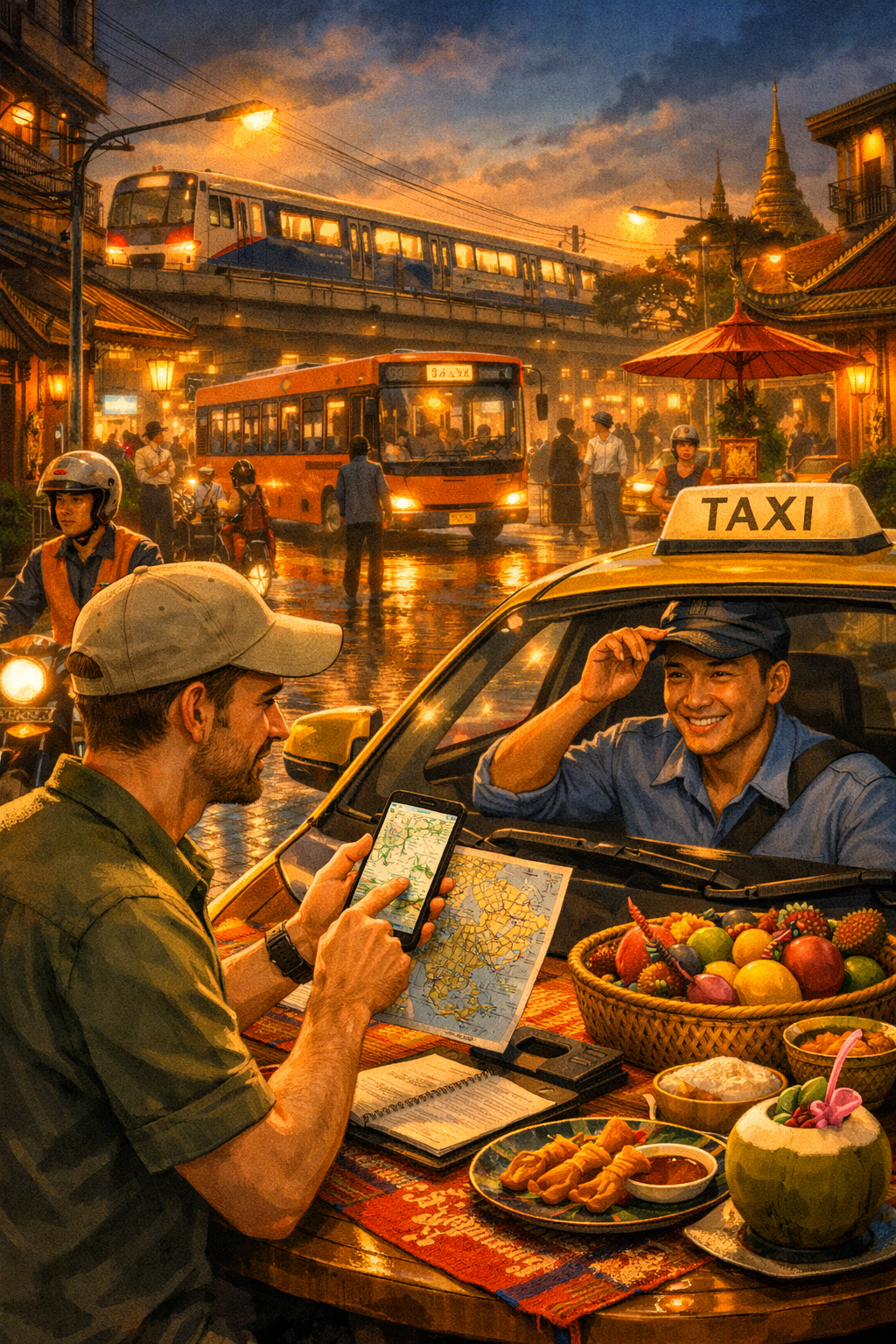
Planning a trip to Thailand? Wonderful! It's a country brimming with incredible culture, stunning scenery, and delicious food. But like any destination, understanding how to stay safe while getting around is crucial for a truly enjoyable experience. Many tourists worry about transportation safety – whether it’s navigating chaotic roads, understanding public transit, or just feeling secure in a taxi. This guide will break down everything you need to know, offering practical advice and tips to help you travel confidently and safely throughout Thailand.
Why is Transportation Safety a Concern in Thailand?
Thailand's transportation landscape can be a little different from what you're used to. Road accidents are a significant concern, and while public transit is generally reliable, awareness of your surroundings is always key. This isn't meant to scare you; it’s about being prepared and making informed choices. The vast majority of tourists have wonderful, incident-free experiences.
Road Safety: Motorbikes, Taxis, and Tuk-Tuks
Let's tackle the most common modes of transport and the safety considerations for each.
- Motorbikes (Scooters/Mopeds): A Word of Caution
Renting a motorbike in Thailand is incredibly tempting – it seems like the perfect way to explore at your own pace. However, it's also the riskiest option for tourists. Here’s why:
- You Likely Lack Experience: Thai roads can be unpredictable. Traffic moves quickly, and driving conditions can be challenging, especially if you’re not accustomed to driving on the left side of the road.
- Insurance Issues: Many rental agreements are invalid if you're involved in an accident without a proper international driver's license (more on that below) and adequate insurance.
- Legal Requirements: To legally drive a motorbike in Thailand, you need an International Driving Permit (IDP) specifically for motorcycles, along with your original driver's license. Simply having a driver's license from your home country isn't enough.
- Our Recommendation: Unless you are a highly experienced motorbike rider with a valid IDP and insurance, avoid renting one. There are safer and more reliable ways to explore.
- Taxis: Metered vs. Negotiation
Taxis are readily available in most tourist areas. Here's how to navigate them safely:
- Metered Taxis: Insist on using the meter. This is the fairest way to be charged. If a driver refuses, find another taxi.
- Negotiated Fares: If you're taking a taxi outside of metered zones (e.g., from the airport to a distant hotel), negotiate the fare before you get in. Confirm the price in Thai Baht (THB).
- Ride-Hailing Apps: Apps like Grab are popular and convenient. They offer fixed fares, eliminating the need for negotiation and providing a record of your trip.
- Safety Tip: Share your ride details with a friend or family member, especially when using ride-hailing apps.
- Tuk-Tuks: A Fun Experience, but Be Smart
Tuk-tuks are iconic Thai vehicles, offering a fun and open-air experience. However, they're often associated with inflated prices and potential scams.
- Negotiate Hard: Tuk-tuk drivers often quote significantly higher prices to tourists. Negotiate aggressively before you get in. Research average fares beforehand to have a baseline.
- Be Wary of "Special Offers": Tuk-tuk drivers sometimes offer to take you to specific shops or attractions, often in exchange for a commission. These can be pressure tactics. Politely decline if you're not interested.
- Safety Check: Ensure the driver is licensed and the tuk-tuk has a license plate.
Public Transportation: Buses, Trains, and Ferries
Thailand boasts a surprisingly efficient and affordable public transportation system.
- Buses: Buses are a great way to travel between cities and explore more rural areas. They are generally safe, but keep an eye on your belongings.
- Book in Advance: For popular routes, especially during peak season, book your tickets in advance.
- Luggage Storage: Luggage is usually stored in a designated area at the front of the bus.
- Trains: Trains are comfortable and reliable, offering a scenic way to travel.
- Book in Advance: Similar to buses, book train tickets in advance, especially for overnight journeys.
- Secure Your Belongings: Keep your valuables close and be aware of your surroundings.
- Ferries: If you're island hopping, ferries are the primary mode of transport.
- Reputable Operators: Choose well-established and reputable ferry operators.
- Life Jackets: Pay attention to safety briefings and ensure life jackets are readily available.
General Safety Tips for All Transportation
Regardless of how you choose to travel, these tips will help keep you safe:
- Be Aware of Your Surroundings: This is the most important tip. Pay attention to traffic, pedestrians, and your belongings.
- Secure Your Valuables: Keep your valuables close and out of sight. Use a money belt or a secure bag.
- Avoid Distractions: Don't use your phone while crossing the street or riding in a vehicle.
- Wear a Helmet (If Riding a Motorbike – and only if you’re legally allowed to!): This is non-negotiable if you insist on riding a motorbike.
- Trust Your Instincts: If something feels off, don't hesitate to decline a ride or change your plans.
- Stay Hydrated: Especially in the heat, dehydration can impair your judgment.
- Know Emergency Numbers: The Tourist Police number is 1155. The general emergency number is 191.
Summary & Checklist: Your Transportation Safety Toolkit
Thailand is an amazing place to visit, and with a little preparation, you can navigate its transportation system with confidence. Here's a quick checklist to ensure a safe journey:
- [ ] International Driving Permit (IDP): Obtain one if you plan to drive a motorbike (and ensure you’re legally permitted to do so).
- [ ] Research Fares: Know the approximate cost of taxis and tuk-tuks before you travel.
- [ ] Use Reputable Services: Opt for metered taxis or ride-hailing apps.
- [ ] Negotiate Prices: If negotiating is necessary, do so firmly and politely.
- [ ] Secure Your Belongings: Keep valuables close and be aware of your surroundings.
- [ ] Stay Alert: Pay attention to traffic and pedestrians.
- [ ] Trust Your Instincts: If something feels wrong, walk away.
- [ ] Emergency Numbers: Keep 1155 (Tourist Police) and 191 (General Emergency) readily available.
Enjoy your trip to Thailand! By following these simple tips, you can focus on experiencing the beauty and culture of this incredible country, knowing you're taking steps to stay safe and sound.