Thailand Travel Alert: Common Scams Targeting Tourists
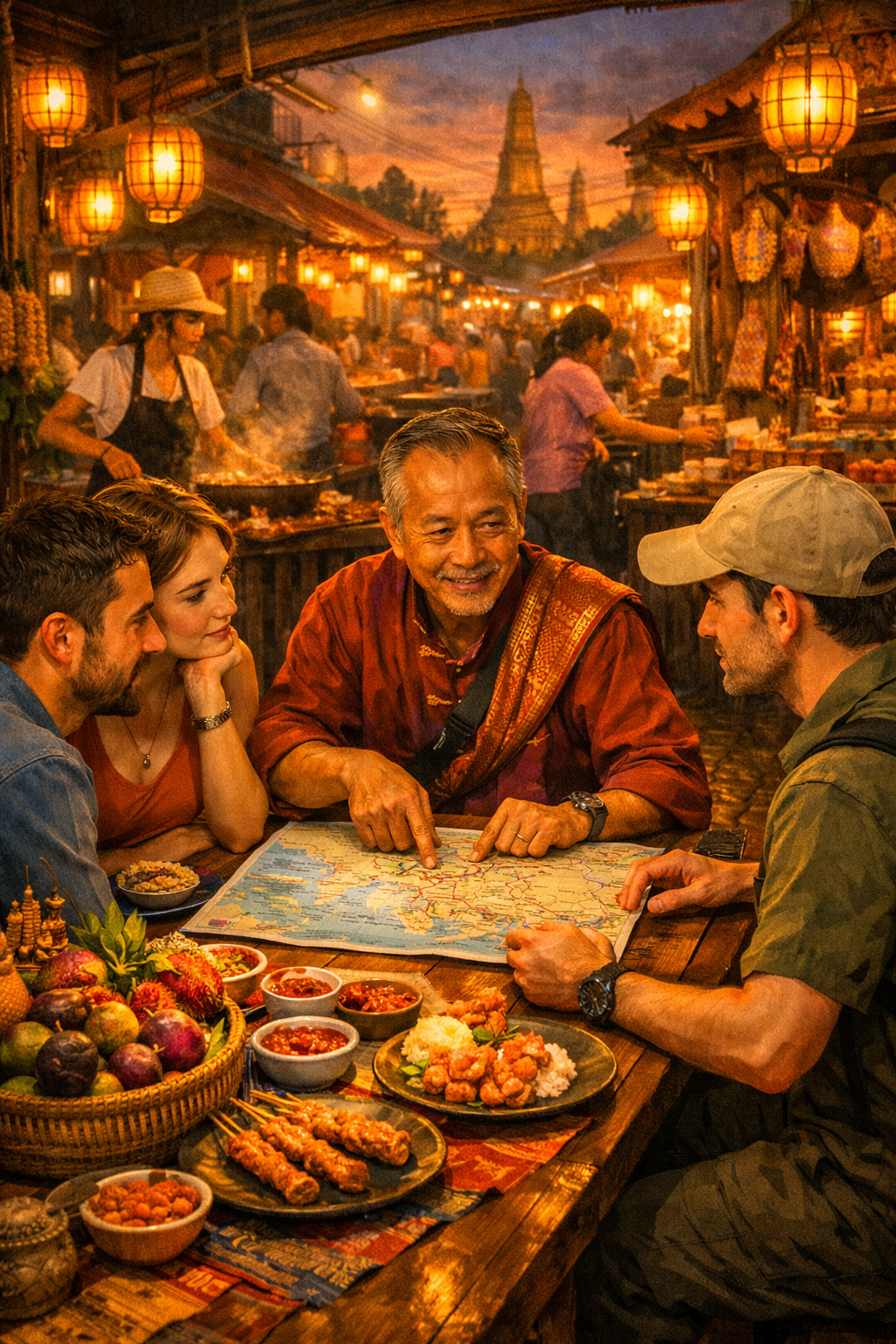
Planning a trip to Thailand? Amazing! It’s a country brimming with stunning temples, delicious food, vibrant culture, and incredibly friendly people. However, like any popular tourist destination, Thailand has its share of scams. Knowing about them before you go can save you a lot of stress, money, and disappointment. This guide isn't meant to scare you off – it's designed to empower you with the knowledge to enjoy your trip safely and confidently. We’ll cover the most common scams, explain how they work, and give you practical tips to avoid falling victim.
Why is it Important to Be Aware?
Scams in Thailand, while often minor, can significantly impact your travel experience. Beyond the financial loss, they can erode your trust and enjoyment. While most Thai people are honest and welcoming, a few bad apples unfortunately exist, preying on unsuspecting tourists. Being prepared is the best defense.
1. The Gem Scam: A Sparkling Deception
This is one of the most notorious scams. It often starts with a friendly stranger approaching you, claiming to be a gem dealer or a friend of one. They might offer you a "special deal" on beautiful, supposedly high-quality gems at a ridiculously low price.
- How it Works: The gems are usually fake or significantly overvalued. The "dealer" will pressure you to buy quickly, often emphasizing the “limited time” nature of the offer. They might even involve a fake official-looking person to add legitimacy. They might offer to arrange shipping for you, which will involve further fees and delays.
- How to Avoid It: Just say no. Seriously. Don’t engage in conversations with strangers offering gem deals. If you do want to buy gems, purchase them from reputable, established jewelry stores. Always get a gemological certificate from an independent lab before making a significant purchase. If the price seems too good to be true, it almost certainly is.
2. The Jewelry Shop “Shortcut” Scam
Similar to the gem scam, this one involves being approached by a stranger who claims to know a “special” jewelry shop offering incredible deals. They’ll offer to take you there, often through a circuitous route.
- How it Works: The shop is usually a front for the scam, selling overpriced, low-quality jewelry. The stranger gets a commission for bringing you in. You’re pressured to buy quickly and may feel obligated due to the stranger’s “kindness.”
- How to Avoid It: Politely decline any offers to be taken to jewelry shops by strangers. Do your own research and visit well-reviewed shops. Remember, legitimate businesses don't need to rely on strangers to bring in customers.
3. The Tuk-Tuk Scam: A Ride with a Catch
Tuk-tuks are a fun and iconic way to get around, but they can also be part of a scam. A tuk-tuk driver might approach you, offering a “special” tour or a ride to a specific temple or market at a discounted price.
- How it Works: The driver’s motivation isn’t just to take you somewhere. They’re often working with shops or businesses along the route. They’ll take you to those shops, where you’re expected to buy something (often overpriced souvenirs or clothing). The driver gets a commission. The “special” price they quoted initially is then conveniently "forgotten" or added to the total cost.
- How to Avoid It: Negotiate the fare before you get in the tuk-tuk and be clear that you only want a ride to a specific destination. Don’t agree to tours or detours. Use ride-hailing apps like Grab, which provide fixed pricing and reduce the risk of inflated fares. If a driver is overly insistent on taking you to shops, find another tuk-tuk.
4. The “Closed” Temple/Attraction Scam
This is a common tactic, especially in areas like Ayutthaya and Chiang Mai. A friendly person will approach you and tell you that the temple or attraction you’re heading to is closed for a ceremony or renovation.
- How it Works: They’ll then offer to take you to an “alternative” temple or attraction – which is usually a shop selling souvenirs or a tourist trap. They receive a commission for bringing you there.
- How to Avoid It: Double-check the opening hours of attractions online before you go. If someone tells you a place is closed, politely ask them to confirm with another person or check a local information board. Don't trust a single person’s word; verify the information.
5. The Suitcase/Bag Handling Scam
This one is more subtle and often occurs in busy areas like train stations or airports. Someone might "help" you with your luggage, often while you’re distracted.
- How it Works: They'll handle your bag, and when you turn away, they might try to steal something or create a distraction while an accomplice picks your pocket. Alternatively, they might demand payment for their "help" after you’ve already allowed them to handle your belongings.
- How to Avoid It: Be extra vigilant in crowded areas. Keep your belongings close and secure. If someone offers to help with your luggage, politely decline. If you do accept help, keep a close eye on your belongings.
6. The Metered Taxi Scam
While less prevalent than some other scams, it's still worth being aware of.
- How it Works: The taxi driver might refuse to use the meter, claiming it’s broken or that traffic is too heavy. They’ll then quote you an inflated fare.
- How to Avoid It: Insist on using the meter. If the driver refuses, find another taxi. Use ride-hailing apps like Grab, which provide fixed pricing.
7. The Fake Official Scam
Someone might approach you claiming to be a police officer, a government official, or a representative from a tourist agency.
- How it Works: They might ask to see your passport or other documents, claiming they need to verify your identity or issue a permit. This is a distraction tactic to allow an accomplice to steal your belongings. They might even try to "fine" you for a fabricated offense.
- How to Avoid It: Be wary of anyone approaching you claiming to be an official. Never hand over your passport or other important documents unless you are certain of their identity and purpose. If you are unsure, ask to see their official identification and contact the real authorities to verify.
Staying Safe and Enjoying Your Trip
Remember, most Thai people are honest and welcoming. Don't let the fear of scams ruin your trip. By being aware of these common tactics and following these simple tips, you can significantly reduce your risk and enjoy a wonderful experience in Thailand. Trust your instincts – if something feels off, it probably is.
Thailand Scam Prevention Checklist:
- Be wary of overly friendly strangers.
- Never agree to deals offered by strangers.
- Negotiate fares before getting into a tuk-tuk or taxi.
- Verify information about temple closures.
- Keep your belongings secure in crowded areas.
- Use ride-hailing apps whenever possible.
- Trust your gut feeling.
- Keep copies of important documents separate from the originals.
- Inform your bank of your travel dates.
Enjoy your incredible journey through Thailand! Safe travels!