The Ultimate Guide to Spotting Scams in Thailand
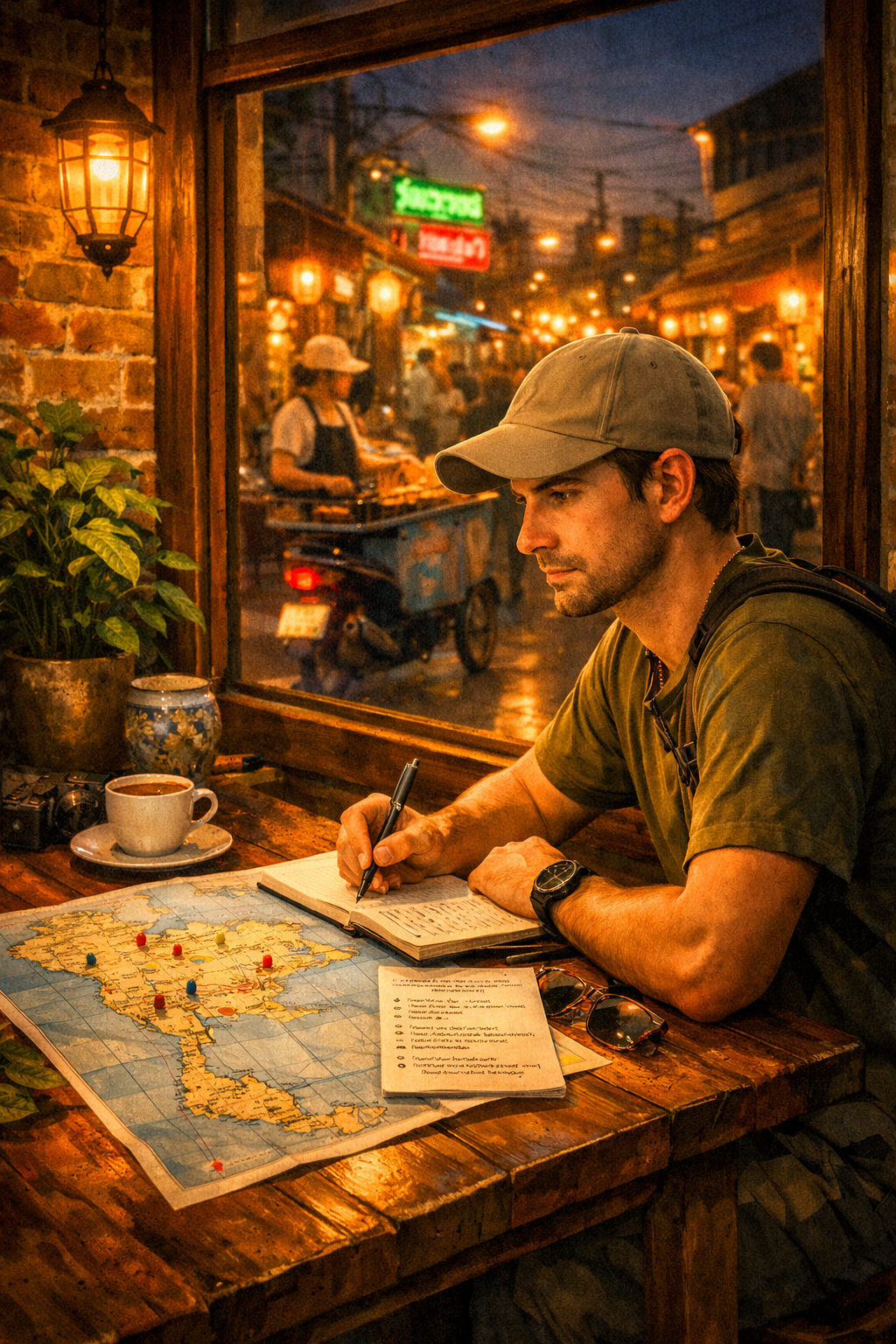
Thailand, the Land of Smiles, is a truly magical destination. From its stunning beaches and ancient temples to its vibrant culture and delicious food, it offers an unforgettable experience. However, like any popular tourist destination, Thailand also attracts individuals looking to take advantage of unsuspecting visitors. While most Thai people are genuinely warm and welcoming, being aware of common scams can help you enjoy your trip safely and confidently. This guide is designed to equip you with the knowledge to spot and avoid these pitfalls, ensuring your Thai adventure remains a positive one.
Why Should You Be Aware of Scams?
It’s not about paranoia; it's about being prepared. Scams can range from minor inconveniences to significant financial losses. More importantly, they can disrupt your travel plans and leave you feeling vulnerable and frustrated. Being informed empowers you to make smart decisions and protect yourself, allowing you to fully immerse yourself in the beauty and culture Thailand has to offer.
Common Scams & How to Spot Them
Let's break down the most prevalent scams you might encounter, along with practical tips to avoid them.
1. The Gem Scam:
This is a classic and sadly common scam. You'll often be approached by someone, sometimes seemingly random, who claims to be a jeweler or a friend of a jeweler. They’ll offer you incredibly low prices on gems (rubies, sapphires, etc.), claiming they’re selling them cheaply because they need money quickly.
- Red Flags: Unsolicited offers, pressure to buy immediately, vague explanations about the gems’ origin, lack of proper documentation (certification, appraisal), and a push to exchange currency at a terrible rate.
- How to Avoid It: Never buy gems from strangers. Purchase jewelry only from reputable stores with established reputations and verifiable credentials. If someone approaches you with this offer, politely decline and walk away. Report the incident to the Tourist Police.
2. The Tuk-Tuk Scam:
Tuk-tuks are a fun and iconic way to get around, but they can also be part of a scam. You might be offered a suspiciously cheap ride to a specific temple or market. The driver might seem friendly and helpful.
- Red Flags: Extremely low fares compared to other transport options, insistence on taking you to specific shops (often souvenir shops with inflated prices), and a refusal to use the meter.
- How to Avoid It: Agree on a fare before getting in the tuk-tuk. Use ride-hailing apps like Grab (similar to Uber) whenever possible. If a driver pressures you to go to certain shops, politely decline and find another driver.
3. The "Closed" Temple Scam:
You arrive at a famous temple, only to be told by someone (often posing as an official) that it's closed for a special ceremony or renovation. They’ll then offer to take you to another, less significant temple – one where they receive a commission from the shops nearby.
- Red Flags: A seemingly official person telling you a popular temple is closed, followed by an offer to take you elsewhere.
- How to Avoid It: Double-check information with official sources (tourist information centers, online travel guides). If a temple appears closed, simply try again later or visit a different attraction.
4. The Jet Ski Scam (and Similar Rental Scams):
This one is particularly prevalent in tourist beach destinations. You rent a jet ski, and after a short time, someone claims it was damaged (often a minor scratch) and demands an exorbitant amount of money for repairs. Similar scams can occur with motorbike rentals – fabricated damage claims are the usual tactic.
- Red Flags: Pressure to rent from a specific vendor, lack of a written rental agreement, and a reluctance to inspect the equipment thoroughly before you rent it.
- How to Avoid It: Rent from reputable rental companies with clear contracts and insurance. Thoroughly inspect the equipment for existing damage before signing anything and take photos or videos as proof. Read reviews online. If you're unsure, avoid renting altogether.
5. The Suitcase/Bag “Switch” Scam:
While less common, this is a disturbing scam. You leave your suitcase briefly (at a restaurant, for example), and when you return, it’s been swapped with an identical-looking suitcase filled with worthless items.
- Red Flags: Feeling subtly pressured to leave your luggage unattended.
- How to Avoid It: Never leave your luggage unattended, even for a moment. If you must, ensure it's in a secure location and under constant supervision.
6. The Fake Police/Official Scam:
Someone approaches you claiming to be a police officer or government official. They might ask for your passport or money, claiming it's for a "tax" or a "fine."
- Red Flags: Unofficial uniforms, vague explanations, and pressure to pay immediately.
- How to Avoid It: Always ask for identification. Real police officers will have official identification. If you’re unsure, insist on going to the police station to resolve the matter. Don’t hand over your passport or money to anyone in a public place.
7. The Restaurant/Bar Overcharge:
This is a more subtle scam. You're served food or drinks, and the bill is significantly higher than expected. This can be due to inflated prices or hidden charges.
- Red Flags: Lack of a menu with prices, vague descriptions of dishes, and a surprise bill with unexpected charges.
- How to Avoid It: Always ask for a menu with prices. Double-check the bill carefully before paying. Don’t be afraid to question any discrepancies.
General Tips for Staying Safe
- Trust Your Gut: If something feels off, it probably is. Don’t be afraid to politely decline and walk away.
- Be Aware of Your Surroundings: Pay attention to who is around you and what is happening.
- Keep Valuables Secure: Use a money belt or secure pouch for your passport, money, and credit cards.
- Don't Flash Expensive Items: Avoid displaying expensive jewelry or electronics.
- Learn Basic Thai Phrases: Even a few simple phrases can help you communicate and show respect.
- Research Reputable Businesses: Before booking tours or activities, read reviews and check their credentials.
- Report Suspicious Activity: If you suspect you’ve been scammed, report it to the Tourist Police (Tel: 1155).
Summary: Your Thailand Scam Prevention Checklist
- [ ] Be wary of unsolicited offers.
- [ ] Agree on fares before transportation.
- [ ] Verify temple closures with official sources.
- [ ] Thoroughly inspect rental equipment.
- [ ] Never leave luggage unattended.
- [ ] Demand identification from officials.
- [ ] Double-check restaurant bills.
- [ ] Trust your instincts.
- [ ] Keep valuables secure.
- [ ] Report suspicious activity.
Enjoy your incredible journey through Thailand! By staying informed and following these simple tips, you can minimize your risk of falling victim to scams and focus on experiencing all the beauty and wonder this amazing country has to offer. Safe travels!