US Low-Cost Airlines Seek Aid Amid Fuel Crisis, Thailand's Public Transportation System Faces Similar Struggle
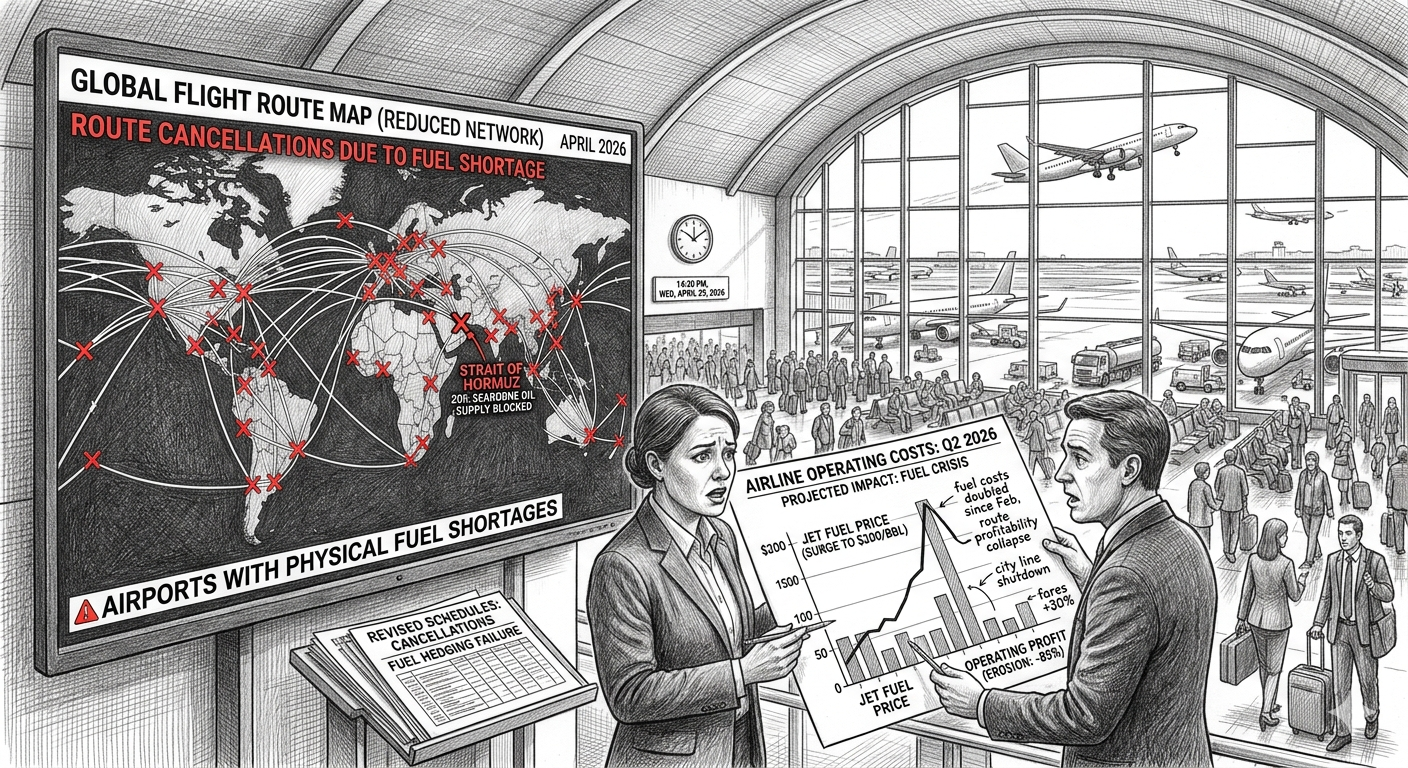
In a bid to mitigate the impact of rising fuel costs due to the Iran crisis, US low-cost airlines Frontier and Avelo have requested a package assistance of $800 million from the government. The total aid sought is $2.5 billion, which is expected to cover the estimated $2.5 billion in fuel costs this year. Oil prices remain above $4 per gallon on average, making it increasingly difficult for these airlines to operate profitably.
Meanwhile, Thailand's public transportation system is facing a crisis of its own. Despite accounting for 30-50% of total expenses, energy costs have increased significantly, with diesel fuel price hikes from 30 to 42 baht per liter. This has led to a 14.6% rise in operators' costs, which are not being matched by fare increases.
As a result, operators are forced to reduce services, leading to decreased passenger numbers and revenue. To address this crisis, it is proposed that the state changes its role from 'regulator' to 'system designer', implementing measures to support operators and promote joint fares and integrated ticketing systems. In fact, a new route system that connects key areas could reduce travel time and increase efficiency, with fare options like 40 baht per day for buses in Bangkok capable of reducing travel costs by up to 46%.
Establishing guidelines for calculating fares and encouraging operators to join the integrated ticketing system are also crucial steps forward. Interestingly, some local authorities are taking on more responsibility in developing public transportation systems, while others are actively promoting their development.
Smart Analysis
This development connects to a larger trend of increasing fuel costs globally, driven by geopolitical tensions and supply chain disruptions. The implications of this aid request are far-reaching, affecting not only the airlines themselves but also passengers who may face reduced services or increased fares. In terms of outlook, two plausible scenarios emerge: either the US government provides significant assistance, allowing the low-cost carriers to maintain their operations and continue offering affordable travel options; or the government declines the request, forcing the airlines to absorb the costs and potentially leading to consolidation or even bankruptcy among some carriers. This matters right now because a collapse of the low-cost airline sector could have broader economic implications, impacting not only the tourism industry but also the overall job market.

Comments
* Required Field
** Required Field.(will not be published)