Asking for Blessings at Magha Puja: Insights from a Thai Holiday
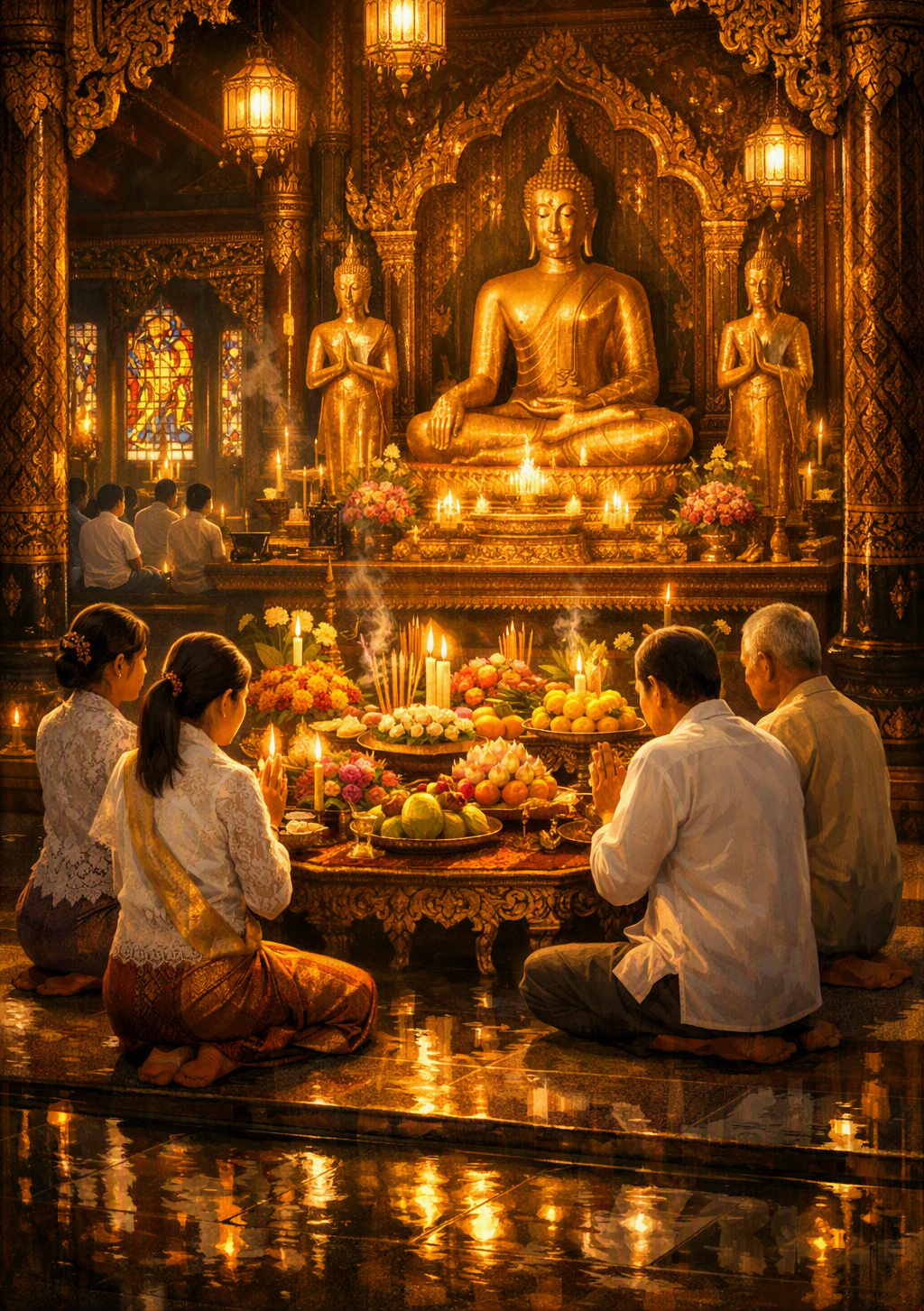
Visiting Thailand during its vibrant festivals can be an enriching experience, especially if you are interested in understanding the cultural nuances and religious practices of this Southeast Asian gem. One such occasion is Magha Puja, a significant Buddhist holiday celebrated on the full moon day of the third lunar month (usually February). As a visitor or someone deeply curious about Thai culture, understanding how to participate respectfully can be both enlightening and rewarding. This guide will walk you through everything you need to know about asking for blessings during this special festival.
Understanding Magha Puja
Magha Puja commemorates an event where 1250 enlightened monks spontaneously arrived at the Veluvana Monastery to pay respect to Buddha. The gathering was significant not only because of the number but also because these monks were chosen by Buddha without any prior appointment, signifying their level of enlightenment and dedication.
Preparing for Magha Puja
Before you decide to participate in this event, it’s essential to prepare yourself both physically and mentally. Here are some steps to help you get ready:
Researching the Traditions
Familiarize yourself with what happens during a typical Magha Puja celebration. This includes rituals such as lighting candles, making offerings (including food and flowers), and chanting prayers. Understanding these traditions will make your participation more meaningful.
Attire and Accessories
Dress appropriately in light-colored clothing that covers your shoulders and knees. In temples, it’s also customary to remove shoes before entering any sacred areas.
Packing Essentials
Bring along a small amount of money for offerings if you plan to participate in the temple ceremonies or buy incense sticks, candles, and flowers at local markets near the temple.
Participating in Magha Puja Ceremonies
When you arrive at the temple, there are several activities where you can take part and ask for blessings. Here’s a guide on how to do it respectfully:
Lighting Candles and Incense Sticks
Lighting candles and incense sticks is one of the primary rituals during Magha Puja. Find an appropriate spot in the temple grounds or inside the main hall, light your candle and incense, and place them gently where there are already lit ones.
Making Offerings
Offerings play a crucial role in Thai Buddhist tradition. You can offer food (if it’s early morning), candles, flowers, or any other items you purchased specifically for this purpose at the altar dedicated to Buddha or the monks.
Chanting and Praying
Join in the group chanting if you feel comfortable doing so. If not, simply sit quietly with a respectful demeanor as others participate in their prayers and chants.
Asking for Blessings from Monks
One of the most memorable aspects of attending Magha Puja is receiving blessings directly from monks. Here’s how to go about it:
Approaching Monks
Monks are generally welcoming but respect their space and time. Wait until they have finished chanting or leading a group before approaching.
Bowing Respectfully
When you approach, bow slightly as a sign of respect. This gesture is understood across cultures as a way to show reverence.
Expressing Your Intentions
Speak softly and clearly about what kind of blessings you seek—whether for health, prosperity, peace in the family, or spiritual enlightenment. Monks may respond with their own words of encouragement or guidance based on your request.
Reflecting Afterward
After receiving blessings and participating in the ceremonies, take some time to reflect on your experience. Consider writing down what emotions you felt during the rituals and how they made you feel afterward.
Journaling Your Experience
Maintain a journal where you can document your thoughts and feelings about Magha Puja. This reflection will help deepen your understanding of this festival and its significance in Thai culture.
Summary Checklist for Participating in Magha Puja
- Research the traditions and rituals involved.
- Dress appropriately, covering shoulders and knees.
- Bring money or offerings (candles, incense, flowers).
- Light candles and incense respectfully at designated areas.
- Join group chanting with a respectful demeanor.
- Approach monks to receive blessings after they have finished leading others.
- Bow slightly as a sign of respect when asking for blessings.
- Reflect on your experience and document thoughts in a journal.
By following these steps, you will not only enhance your own spiritual journey but also show deep respect for Thai culture and its religious traditions. Remember that the essence of Magha Puja lies in unity and shared reverence towards Buddha’s teachings. Participating with an open heart can lead to profound personal growth and a deeper connection with this beautiful festival.