The Joy of Vegetarian Festival in Thailand: Customs and Celebrations
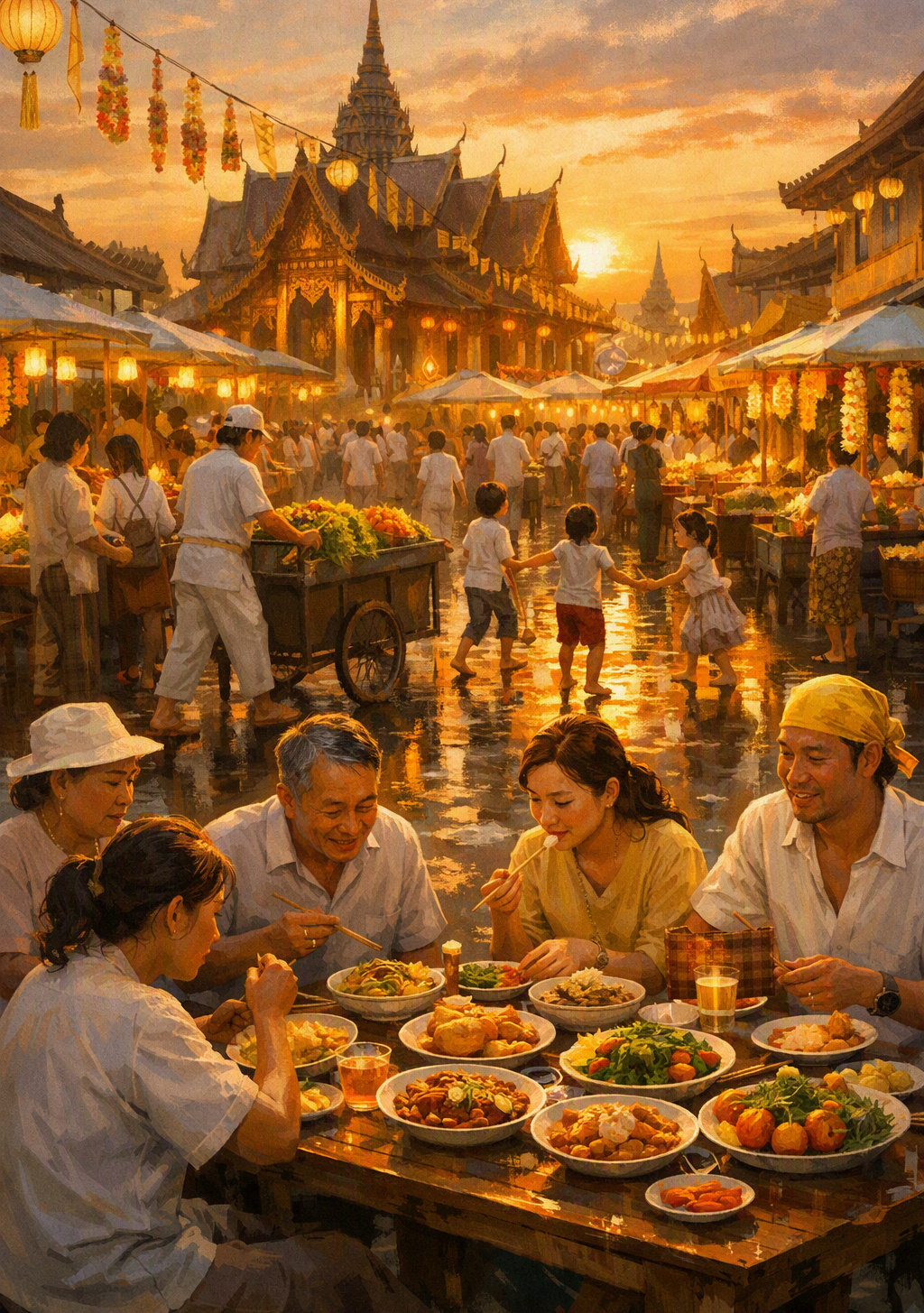
The world is a tapestry woven with diverse cultures, each expressing its unique spirit through festivals. For many travelers exploring Southeast Asia, the question often arises: How can one fully appreciate and engage in these vibrant cultural experiences? When it comes to Thailand’s Vegetarian Festival, this curiosity takes on new dimensions as visitors seek to understand its customs and celebrations without feeling like an outsider.
To embark on a journey of understanding and appreciation for the Vegetarian Festival (or Songkran Khao Soh) is to step into a world where faith, tradition, and community come together in a spectacle that is both awe-inspiring and deeply moving. This guide aims to illuminate this festival, offering actionable advice to make your experience not only enjoyable but also respectful and memorable.
Understanding the Vegetarian Festival
Before diving into the festivities, it's crucial to grasp what makes the Vegetarian Festival unique. Held annually in late September or early October, it is a nine-day event that primarily takes place in Phuket and involves strict vegetarian diets, fasting, and a range of rituals designed to cleanse both body and soul.
A Brief History
The origins of this festival can be traced back nearly 200 years when Chinese immigrants brought their traditions from the Minnan region of China. Over time, these customs blended with Thai culture, creating a vibrant celebration that attracts thousands each year.
Preparing for Participation
Before you can fully embrace the spirit of the Vegetarian Festival, some preparation is necessary to ensure a respectful and safe experience.
Understanding the Rules
- Dietary Commitment: The festival requires participants to abstain from eating meat. If you're not already vegetarian, consider starting this practice a week before attending to adjust your body.
- Fasting and Rituals: Some individuals may choose to fast completely for the duration of the festival or participate in specific rituals. These are highly personal choices that require careful consideration.
Dress Code
Participants should wear white clothing as it symbolizes purity and is a sign of respect during the festival. Avoid wearing red, which could be seen as disrespectful due to its association with blood.
Engaging in Festivities
Now comes the exciting part—actively engaging in the festivities! Here’s how you can participate without overstepping cultural boundaries.
Observing Processions
One of the highlights of the Vegetarian Festival is the procession, or 'parades,' where devotees parade through the streets carrying incense sticks and lanterns. These events are intense and involve self-flagellation and fire walking by some participants. While it can be tempting to get close for photos, remember that these acts are deeply spiritual and should be observed with reverence.
Enjoying the Food
Despite the name, there is plenty of delicious vegetarian food available during the festival. Explore street stalls and local eateries to sample unique dishes like 'jao maw' (sticky rice wrapped in banana leaves) and 'khao soi' (curry noodle soup).
Safety Measures
Engaging in any cultural event requires a balance between respect and self-protection.
Staying Safe
- Health Precautions: If you're not used to fasting or strict vegetarian diets, ensure you stay hydrated and monitor your energy levels.
- Respect Boundaries: Always ask for permission before taking photos of participants, especially those in rituals. Be mindful that some activities may be private or sacred.
Cultural Sensitivity
Understanding and respecting the cultural significance behind each action is paramount. If unsure about a particular practice, seek guidance from locals or join guided tours focused on cultural sensitivity.
Summing Up
The Vegetarian Festival offers an unforgettable glimpse into Thailand’s rich cultural heritage, blending ancient traditions with vibrant community spirit. By approaching this festival with respect and curiosity, you can enjoy a truly enriching experience that goes beyond the surface of mere observation.
Checklist for Participation
- Adopt a vegetarian diet in advance.
- Wear white clothing as part of your outfit.
- Respect rituals by observing quietly from a distance.
- Try local vegetarian dishes at street stalls and eateries.
- Stay hydrated and aware of your health needs during fasting periods.
- Always seek permission before taking photos, especially during private or sacred moments.
The Vegetarian Festival is more than just an event; it's a profound journey into the heart of Thai culture. By following this guide, you’re poised to not only witness but also participate in something truly special and meaningful. Embrace every moment with openness and respect, and allow yourself to be captivated by the joyous spirit that defines this festival.