Navigating Thailand: Transportation, Culture & Etiquette
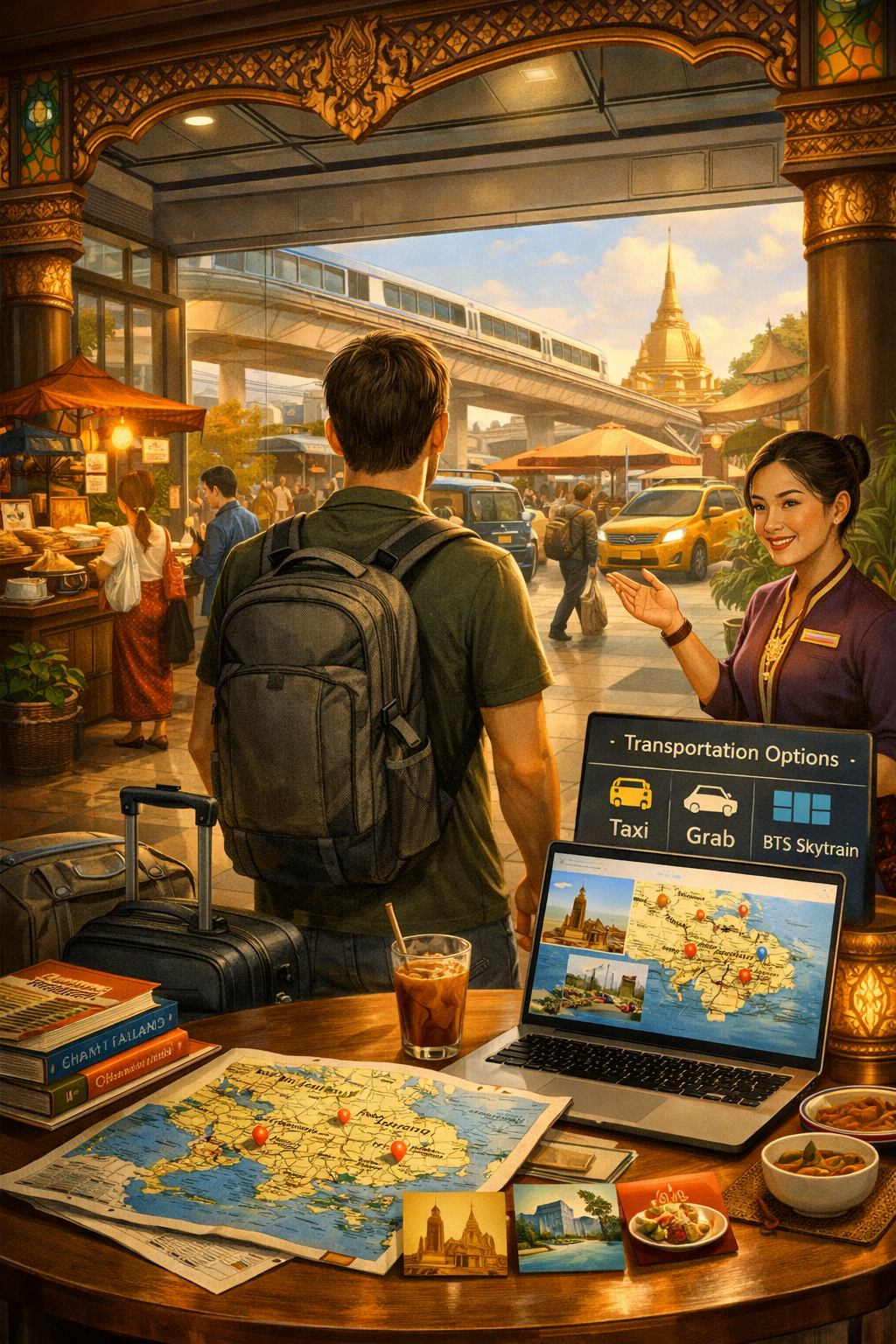
So, you’re heading to Thailand! That’s fantastic! It’s a truly magical place, overflowing with delicious food, stunning temples, breathtaking landscapes, and incredibly warm people. But if you’re a first-time visitor, it can also feel a little overwhelming. Where do you even begin? Don’t worry, this guide is here to smooth out your arrival and ensure you have an unforgettable, respectful, and enjoyable experience. We’ll cover everything from getting around to understanding local customs – consider it your pocket-sized introduction to the Land of Smiles.
Getting There & Initial Arrival
First things first, your flight! Most international travelers will arrive at Suvarnabhumi Airport (BKK) in Bangkok, or Phuket International Airport (HKT) if heading straight to the beaches. Upon arrival, you'll need a visa (check your country's requirements beforehand – many nationalities can enter visa-free for a certain period), and you'll fill out an immigration form. Have a pen ready! After collecting your luggage, you'll pass through customs.
- Airport Transfer: Taxis are readily available, but ensure they use the meter. Negotiate the fare beforehand if they refuse. The Airport Rail Link is a cheaper and often faster option to connect to central Bangkok. Ride-sharing apps like Grab are also popular and convenient.
Transportation: Getting Around Thailand
Thailand offers a surprisingly diverse range of transportation options, catering to every budget and travel style.
- Bangkok: Skytrain, MRT, and River Taxis: Bangkok traffic is notorious. The Skytrain (BTS) and MRT (subway) are lifesavers for getting around the city quickly. River taxis are a scenic and affordable way to explore riverside attractions.
- Tuk-Tuks: These iconic three-wheeled vehicles are fun for short distances, but always negotiate the price before you hop in. They’re often more expensive than taxis.
- Motorbike Taxis: A quick and convenient option, but be aware of traffic and ensure the driver has a helmet (and wear it!).
- Buses: A budget-friendly way to travel between cities. VIP buses offer more comfort with reclining seats and entertainment.
- Trains: A comfortable and scenic way to travel longer distances. Book tickets in advance, especially during peak season.
- Domestic Flights: Thailand has a well-developed network of domestic airlines, making it easy to hop between regions.
- Songthaews (Red Trucks): Common in Chiang Mai and other northern cities, these shared taxis are a cheap and local experience. Just tell the driver your destination and pay a small fare.
- Renting a Scooter: While tempting, renting a scooter requires caution. Thai roads can be chaotic, and you'll need an international driver's license. Always wear a helmet and be aware of local traffic laws.
Understanding Thai Culture: Respect is Key
Thai culture places a high value on respect, harmony, and saving face. Here's a breakdown of essential etiquette:
- The Wai: The wai is a slight bow with hands pressed together, a traditional greeting and expression of respect. Return a wai you receive, even if you’re unsure of the protocol. Wai elders, monks, and people of higher status.
- Feet are Sacred: Never point your feet at anyone or anything, especially Buddha images. Feet are considered the lowest and dirtiest part of the body. When sitting, tuck your feet under you.
- Head is Sacred: Avoid touching anyone's head, even playfully. The head is considered the most sacred part of the body.
- Dress Code: When visiting temples, dress modestly. Cover your shoulders and knees. Some temples may provide sarongs for visitors.
- Public Displays of Affection: While Thailand is becoming more modern, public displays of affection are generally frowned upon.
- Speaking: Speak softly and avoid loud or aggressive behavior.
- Monks: Monks are highly revered. Women should never touch a monk. If you need to hand something to a monk, place it on a surface for them to pick up.
- Bargaining: Bargaining is common in markets and for tuk-tuk rides, but do so respectfully and with a smile. Don’t try to haggle aggressively.
- Temples (Wats): Remove your shoes before entering a temple. Be mindful of your behavior and avoid disruptive noises. Photography is often allowed, but be respectful of ceremonies.
- Smiling: The Thai are known for their smiles. A smile can diffuse awkward situations and show politeness.
Food & Drink: A Culinary Adventure
Thai food is world-renowned for a reason! But there are a few things to keep in mind:
- Spice Levels: Thai food can be very spicy. Don’t be afraid to ask for "mai phet" (not spicy) or "phet nit noi" (a little spicy).
- Chili Peppers: Chili peppers are often served on the side. Add them at your own risk!
- Street Food: Embrace the street food scene! It's delicious, affordable, and a great way to experience local culture. Look for stalls with long lines – that's usually a good sign of quality.
- Drinking Water: Drink bottled water and avoid ice unless you’re sure it’s made from purified water.
- Eating Utensils: Thais primarily eat with a spoon and a fork. Chopsticks are used for noodles, particularly in Chinese-influenced restaurants.
Common Phrases to Know
- Sawasdee (krap/ka): Hello (krap for men, ka for women)
- Khop Khun (krap/ka): Thank you (krap for men, ka for women)
- Mai Phet: Not spicy
- Tao Rai?: How much?
- Hong Nam Yow?: Where is the bathroom?
Staying Safe & Healthy
- Mosquitoes: Mosquitoes can be a problem, especially during the rainy season. Use mosquito repellent.
- Sun Protection: The sun is strong. Wear sunscreen, a hat, and sunglasses.
- Food Safety: Be mindful of food hygiene, especially when eating street food.
- Scams: Be aware of common scams, such as overpriced tuk-tuk rides or fake gem scams.
- Emergency Numbers: 191 (Police), 1669 (Emergency Medical)
Summary & Checklist for Your Thai Adventure
Thailand is an incredible destination, and with a little preparation, your first trip will be a resounding success. Remember to be respectful of local customs, embrace the delicious food, and enjoy the warm hospitality of the Thai people.
Your First-Time Thailand Checklist:
- [ ] Check visa requirements.
- [ ] Pack modest clothing for temples.
- [ ] Learn a few basic Thai phrases.
- [ ] Download a translation app.
- [ ] Research transportation options.
- [ ] Be prepared for spicy food!
- [ ] Bring mosquito repellent.
- [ ] Keep an open mind and a smile!
We hope this guide has given you the confidence to embark on your Thai adventure. Sawasdee! (Welcome!)