Thailand for First-Timers: Your Ultimate Beginner's Guide
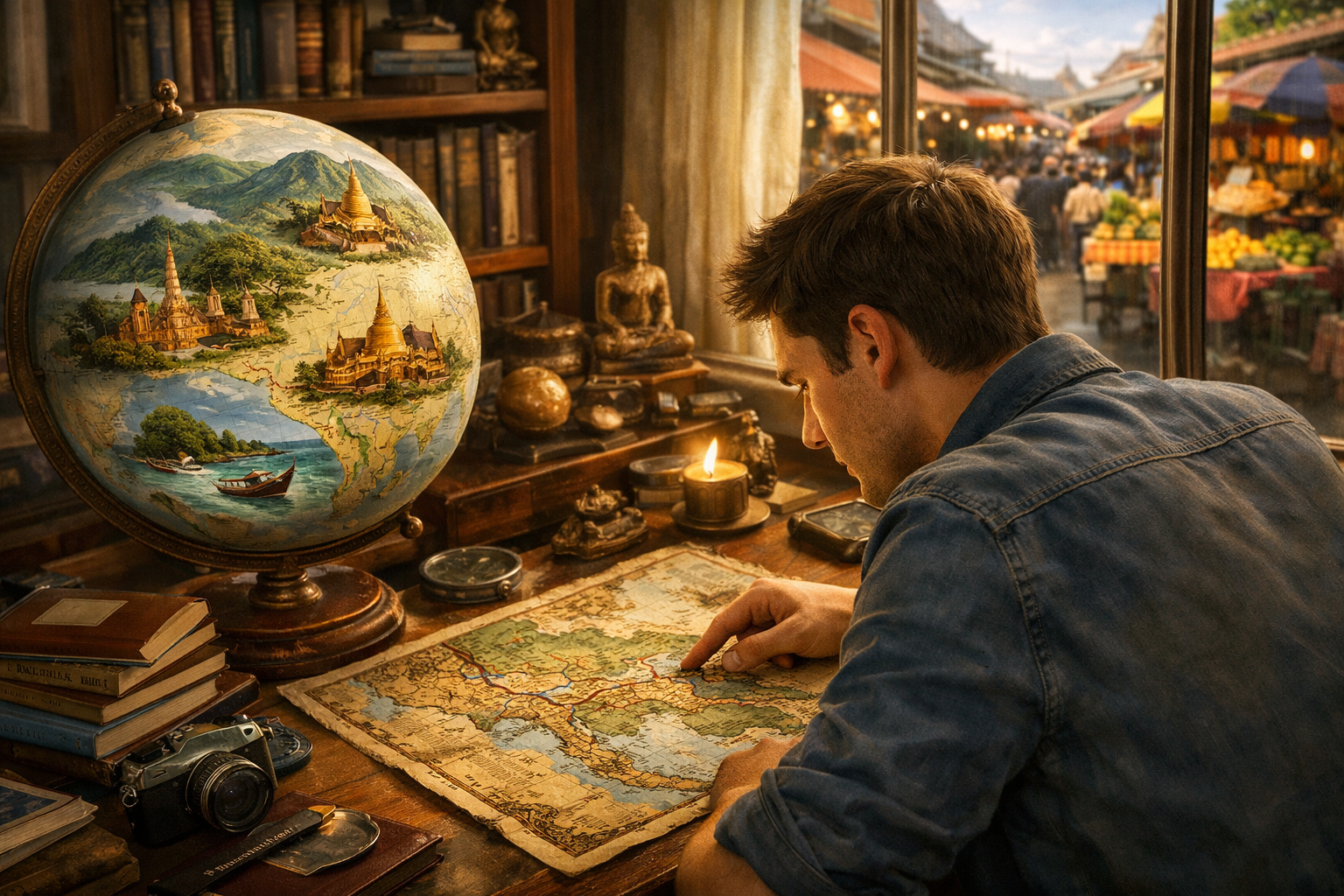
So, you’re dreaming of Thailand? Sparkling temples, delicious food, stunning beaches… it's a truly magical place! But the prospect of visiting a country so different from your own can feel a little overwhelming. Where do you even start planning? Don't worry, that's exactly what this guide is for. We'll break down everything you need to know to have an amazing, stress-free first trip to Thailand.
1. Understanding the Basics: Geography & Seasons
Thailand isn't just one thing. It's a country of incredible diversity. It’s shaped like a giraffe, extending down from the Chinese border, with a long, curving coastline. Understanding the geography will help you choose where to go.
- Bangkok: The bustling capital, a vibrant mix of modern skyscrapers and ancient temples.
- Northern Thailand (Chiang Mai, Chiang Rai): Lush mountains, elephant sanctuaries, and a more laid-back atmosphere. Perfect for trekking and exploring culture.
- Central Thailand (Ayutthaya, Kanchanaburi): Historical sites, ancient ruins, and river landscapes.
- Southern Thailand (Phuket, Krabi, Koh Samui, Koh Phi Phi): Stunning beaches, turquoise waters, and island hopping adventures.
Seasons: Thailand has three main seasons:
- Hot Season (March - May): Scorching temperatures, often exceeding 35°C (95°F). Not ideal for everyone, but deals on accommodation can be found.
- Rainy Season (June - October): Expect daily downpours, usually in the afternoon. While it can be inconvenient, it also brings lush greenery and fewer crowds. The Gulf Coast (Koh Samui, Koh Phangan, Koh Tao) tends to have rain later than the Andaman Coast (Phuket, Krabi).
- Cool Season (November - February): The most pleasant time to visit, with comfortable temperatures and lower humidity. This is also the busiest and most expensive time.
2. Essential Paperwork & Finances
Let's get the practicalities sorted.
- Visa: Many nationalities (including US, UK, Canadian, Australian, and EU citizens) can enter Thailand for tourism purposes for 30 days without a visa. Always double-check the specific requirements for your nationality on the Thai embassy website before you travel. If you plan to stay longer, you’ll need to look into a tourist visa extension or other visa options.
- Passport: Make sure your passport is valid for at least six months beyond your intended stay.
- Currency: The Thai currency is the Thai Baht (THB). You can exchange money at the airport, banks, or exchange booths. ATMs are widely available, but transaction fees can be high. Credit cards are accepted in larger establishments, but smaller shops and markets often prefer cash. Let your bank know you'll be travelling to avoid your card being blocked.
- Budget: Thailand can be incredibly affordable. A budget of $30-$50 USD per day is comfortable for many travellers, covering accommodation, food, transportation, and activities. You can certainly spend less if you’re on a tight budget, or significantly more if you’re looking for luxury.
3. Getting Around: Transportation Options
Getting around Thailand is surprisingly easy, with options to suit every budget.
- Flights: Domestic flights are a great way to cover long distances quickly. Look for budget airlines like AirAsia, Nok Air, and Thai Lion Air.
- Trains: A scenic and comfortable way to travel between major cities. Book tickets in advance, especially during peak season.
- Buses: The most budget-friendly option for long-distance travel.
- Taxis & Tuk-Tuks: Taxis are metered in Bangkok. Always insist on the meter being used. Tuk-tuks are a fun, iconic experience, but agree on a price before you get in.
- Songthaews (Red Trucks): Shared taxis common in Chiang Mai. They follow fixed routes and charge a small fee.
- Motorbike Rental: Popular for exploring islands and rural areas, but be cautious! You'll need an international driver's license and a helmet. Traffic can be chaotic.
4. Culture & Etiquette: Showing Respect
Thailand has a rich and fascinating culture. Showing respect for local customs will enhance your experience and ensure you’re a welcome guest.
- The Wai: This is a slight bow with hands pressed together, used as a greeting, a thank you, and a sign of respect. Return a wai if someone offers it to you.
- Dress Code: When visiting temples, dress modestly – cover your shoulders and knees. Some temples may provide wraps for visitors.
- Feet: The feet are considered the lowest and dirtiest part of the body. Don't point your feet at people or religious objects.
- Head: The head is considered sacred. Avoid touching someone’s head, even playfully.
- Public Displays of Affection: Keep public displays of affection to a minimum.
- Bargaining: It’s common to bargain in markets, but do so respectfully and with a smile.
- Learn a Few Phrases: Even a simple "Sawasdee" (hello) and "Khop Khun" (thank you) will go a long way.
5. Food, Glorious Food!
Thai food is world-renowned for a reason! Be adventurous and try new things.
- Street Food: A must-try! Look for stalls with long queues – that’s usually a good sign.
- Spicy Food: Thai food can be very spicy. If you’re sensitive to heat, ask for “mai pet” (not spicy).
- Popular Dishes: Pad Thai, Green Curry, Tom Yum Soup, Mango Sticky Rice – the list goes on!
- Be Careful with Ice: Stick to bottled water and be cautious about ice, especially in smaller establishments.
6. Staying Safe & Healthy
- Travel Insurance: Essential for covering unexpected medical expenses or travel disruptions.
- Vaccinations: Consult your doctor about recommended vaccinations for Thailand.
- Mosquitoes: Protect yourself from mosquito bites, especially during the rainy season. Use insect repellent and wear long sleeves and pants in the evenings.
- Sun Protection: The sun is strong in Thailand. Wear sunscreen, a hat, and sunglasses.
- Scams: Be aware of common tourist scams, such as gem scams and fake temple closures. If something seems too good to be true, it probably is.
Your Thailand First-Timer Checklist:
- [ ] Passport & Visa (if required)
- [ ] Flights & Accommodation Booked
- [ ] Travel Insurance
- [ ] Vaccinations & Medications
- [ ] Adapter for Thai Plugs (Type A, B, and C)
- [ ] Comfortable Walking Shoes
- [ ] Light, Breathable Clothing
- [ ] Insect Repellent & Sunscreen
- [ ] Phrasebook or Translation App
Thailand is waiting to welcome you with open arms. Embrace the culture, savor the flavors, and create memories that will last a lifetime. Have an incredible journey!