Understanding Thai Culture: Customs & Respectful Travel
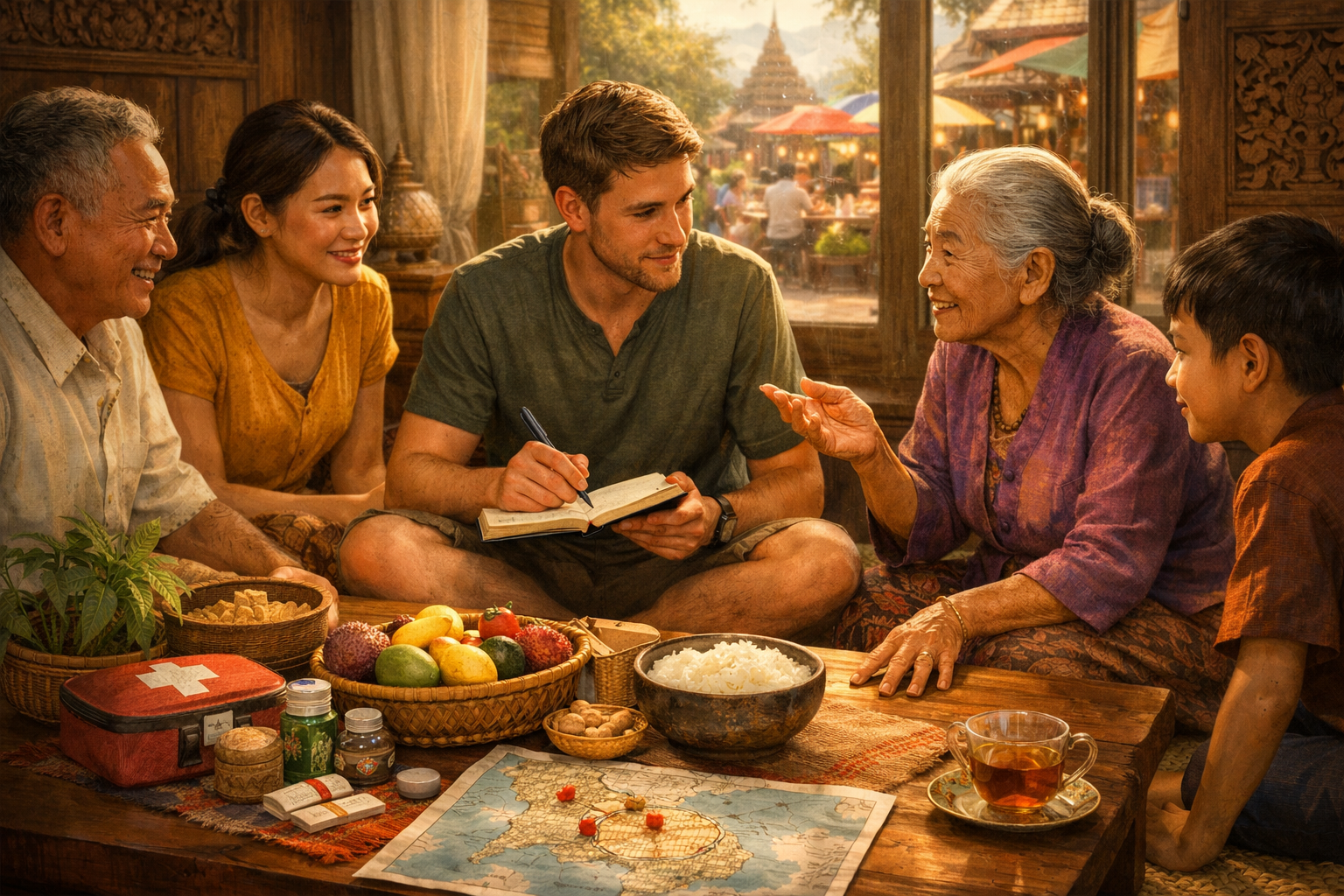
So, you're heading to Thailand! That’s fantastic – you’re in for an incredible experience. But before you dive headfirst into the delicious food, stunning temples, and vibrant markets, it's really helpful to understand a little about Thai culture. It’s not just about knowing what to do, but why things are done a certain way. This guide is for you, the first-time visitor, to help you navigate Thai customs with confidence and respect, ensuring a truly enriching and positive trip. Don't worry, it's not about memorizing a million rules; it's about embracing a few key principles.
Why Does Cultural Understanding Matter?
Thailand is a country steeped in tradition and deeply rooted beliefs. While Thai people are incredibly warm and welcoming, unintentional cultural faux pas can sometimes lead to misunderstandings or even offense. Showing that you've made an effort to understand and respect their customs goes a long way. It fosters connection, enhances your experience, and demonstrates genuine appreciation for their beautiful culture.
The Importance of "Mai Pen Rai" (Never Mind)
Before we get into specifics, let's talk about "Mai Pen Rai." This phrase is practically a national motto and encapsulates a core Thai value. It roughly translates to "never mind," "it's okay," or "no worries." While it can be used to dismiss a minor inconvenience, it also reflects a general attitude of acceptance and forgiveness. Don't be overly stressed if you make a mistake – a genuine smile and apology will usually be met with understanding and “Mai Pen Rai.” However, understanding why certain behaviors are considered respectful is more important than simply relying on "Mai Pen Rai."
1. The Wai: More Than Just a Greeting
The "wai" is the traditional Thai greeting, a slight bow with hands pressed together in a prayer-like gesture. It's far more than just "hello." It’s a sign of respect, gratitude, apology, and farewell.
- Who do you Wai? Generally, you wai people who are older than you, those in positions of authority (monks, teachers, government officials), and as a sign of respect to someone you’re meeting for the first time. You'll also see it used in shops and restaurants.
- How do you Wai? The higher your hands are pressed together, the more respect you’re showing. A slight nod of the head accompanies the gesture.
- Do they have to Wai you back? Yes! It’s considered polite to reciprocate. Don’t worry about getting it perfect; the gesture itself is appreciated.
- Don't Wai children: It's not customary to wai children, as it’s seen as potentially disrespectful. A smile and a nod are perfectly acceptable.
2. Respecting the Monarchy and Buddhism
Thailand's reverence for the monarchy and Buddhism are deeply intertwined. Showing respect in these areas is paramount.
- The Monarchy: The Thai Royal Family is deeply loved and respected. Never speak negatively about the King, Queen, or any member of the Royal Family. This is considered extremely disrespectful and can have serious legal consequences.
- Buddhist Temples (Wats): These are sacred places. Dress modestly – cover your shoulders and knees. Many temples provide sarongs for visitors who are not appropriately dressed.
- Shoes off: Always remove your shoes before entering a temple or any building with a spirit house.
- Pointing: Avoid pointing your feet at people or Buddha images. Feet are considered the lowest and most disrespectful part of the body.
- Photography: Be mindful when taking photos. Don’t photograph monks without their permission, and always be respectful of the atmosphere.
- Touching Buddha Images: Avoid touching Buddha images unless you are invited to do so.
3. Body Language & Communication
Thai communication is often indirect and nuanced. Pay attention to non-verbal cues.
- Feet: As mentioned, feet are considered unclean. Don’t put your feet up on furniture, or touch anyone with your feet. Be careful when handing things to someone – offer them with your hands, not your feet.
- Head: The head is considered the most sacred part of the body. Don't touch anyone's head, even children.
- Public Displays of Affection: While becoming more common, overt public displays of affection are generally frowned upon.
- Loud Voices: Avoid speaking loudly, especially in public places.
- Smiling: A smile is incredibly important in Thai culture. It can mean agreement, disagreement, politeness, or even discomfort. Don't be afraid to smile!
- The "Loss of Face": "Saving face" is crucial. Avoid causing anyone embarrassment or putting them in a position where they might lose face. This means being tactful, avoiding direct criticism, and being mindful of your actions.
4. Dining Etiquette
Thai food is a highlight for many visitors! Here’s a little about dining customs.
- Chopsticks & Spoons: Use a fork to push food onto a spoon, and then eat from the spoon. Chopsticks are primarily used for noodles.
- Sharing Food: Sharing dishes is common and encouraged!
- Don’t Skewer Food: Don't spear food with your fork.
- Finish Your Rice: Leaving a lot of rice on your plate can be seen as impolite, suggesting you were still hungry.
- Tipping: Tipping is not expected, but it’s becoming more common, especially in tourist areas. A small tip (around 10%) for good service is appreciated.
5. Dealing with Bargaining
Bargaining is common in markets and with tuk-tuk drivers.
- Start Low: Begin with an offer significantly lower than the asking price.
- Be Polite: Smile and be friendly. Bargaining shouldn’t be aggressive.
- Be Prepared to Walk Away: This often encourages the vendor to lower their price.
- Don't Be Afraid to Agree: If you’re happy with the price, accept it graciously.
Summary & Checklist for Respectful Travel
Thailand is a welcoming and enchanting destination. By understanding and respecting these cultural nuances, you’ll not only avoid unintentional offense but also deepen your appreciation for this incredible country.
Here's a quick checklist to keep in mind:
- [ ] Master the Wai - practice your greeting!
- [ ] Dress modestly when visiting temples.
- [ ] Be mindful of your body language – especially regarding feet and head.
- [ ] Show respect for the monarchy.
- [ ] Smile!
- [ ] Be patient and understanding – embrace the "Mai Pen Rai" attitude.
- [ ] Research a little more about the specific regions you’ll be visiting - customs can vary!
Enjoy your Thai adventure! You’re going to love it. Sawasdee krap/ka (Hello)!