Avoiding Cultural Missteps: What Not to Do in Thailand
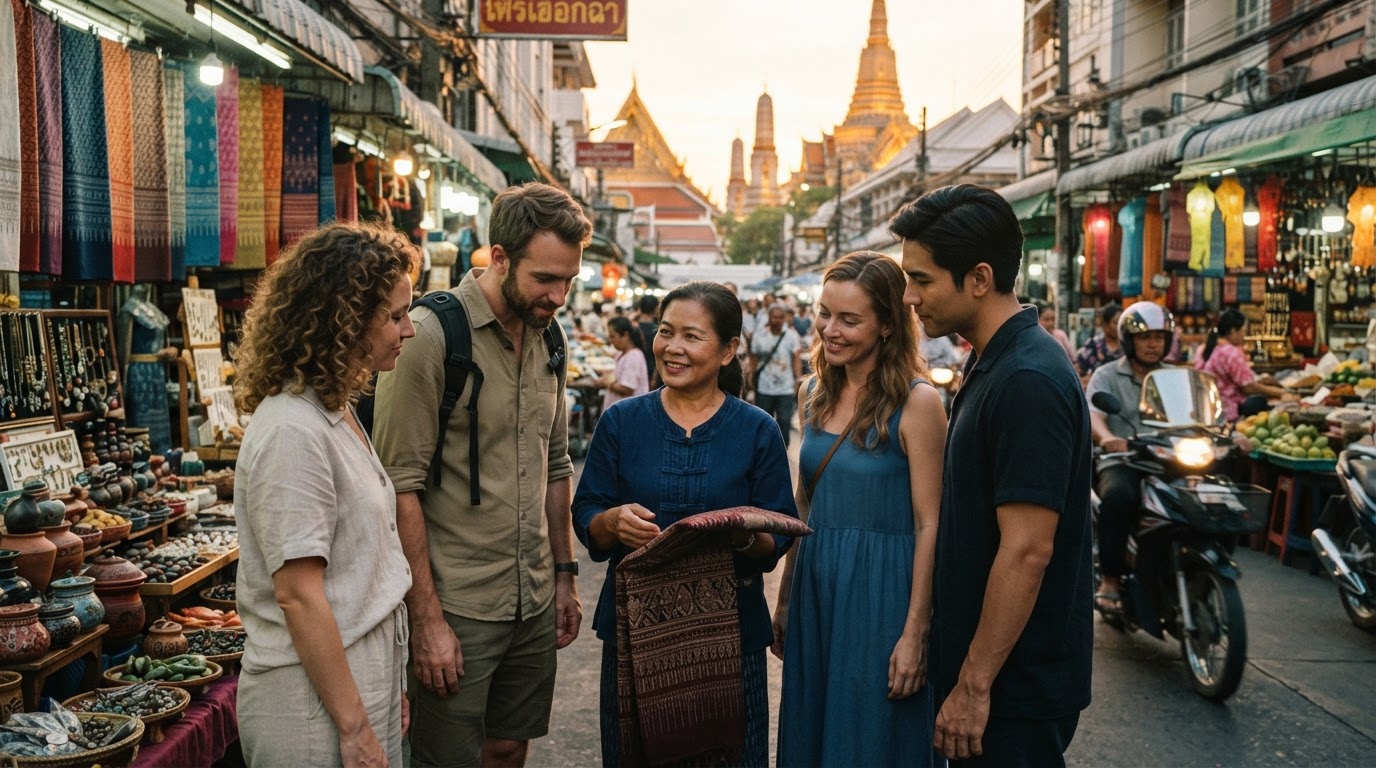
If you're planning a trip to Thailand, it's essential to understand that customs and etiquette can vary greatly from what you might be used to back home. While the Thai people are known for their friendliness and tolerance of foreigners, cultural sensitivity goes a long way in ensuring smooth interactions and avoiding potential misunderstandings or even offense. This guide will help you navigate some of the key areas where tourists often make unintentional faux pas.
Why Cultural Sensitivity Matters
Understanding local customs is not just about showing respect; it can also enhance your travel experience by allowing you to connect more deeply with Thai culture and people. By avoiding common missteps, you'll be able to enjoy a more authentic and enriching trip.
1. Greetings: The Wai Is Not Just a Wave
In Thailand, the traditional greeting is called a 'wai.' It involves pressing your palms together in front of your chest or face, often accompanied by a slight bow. While foreigners are not expected to perform it perfectly, a basic understanding and attempt can go a long way.
Do's:
- When you meet someone older than you or in a position of authority (like monks), try to wai.
- If someone wais at you, return the gesture if they do so first.
Don'ts:
- Don’t wai with your head higher than theirs; it’s considered disrespectful.
- Avoid wai-ing if the person is sitting or lying down; instead, bow slightly from the waist without hands together.
2. Dress Code: Cover Up to Show Respect
Thailand has a conservative dress code, particularly when visiting religious sites like temples and monasteries. It's important to cover your shoulders and knees at all times in such places.
Do’s:
- Bring a sarong or light shawl if you plan on exploring temples.
- Wear long pants or skirts that reach below the knee.
Don’ts:
- Don’t wear revealing clothing, especially tank tops, shorts, or mini-skirts, when visiting religious sites.
- Avoid wearing anything depicting Buddha in casual settings; it’s considered disrespectful.
3. Table Manners and Dining Etiquette
In Thailand, dining etiquette varies from what you might be used to at home. It's all about respect for the food and those with whom you are sharing a meal.
Do’s:
- When eating rice or soup, hold your bowl close to your mouth rather than lifting it.
- Eat using utensils; if provided chopsticks, use them gently without waving them around.
Don’ts:
- Don’t point directly at someone with your fork or spoon while talking; instead, use your right hand.
- Avoid leaving rice on the plate when finished; clean plates show respect to the cook and the food.
4. Monks and Religion
Monks hold a revered position in Thai society, and they are often seen walking through streets collecting alms. It's important to be respectful towards them at all times.
Do’s:
- Offer your seat if you see an older monk or nun on public transport.
- Do not touch monks; even offering something requires the monk to take it directly from a plate or tray.
Don’ts:
- Don’t give money to monks, which is considered inappropriate and against their vows of poverty.
- Avoid physical contact with monks; women should especially be careful not to touch them.
5. Body Language and Gestures
Certain gestures that are acceptable elsewhere can be highly offensive in Thailand. Understanding these can prevent embarrassing moments.
Do’s:
- Use your right hand for giving or receiving items, as the left is considered unclean.
- When pointing at something, use an open palm rather than a single finger.
Don’ts:
- Don't point feet directly towards someone; it's seen as disrespectful.
- Avoid showing soles of feet to others; this is equivalent to flipping off someone in Western cultures.
6. Public Behavior
Thailand is known for its laid-back atmosphere, but there are unwritten rules about public behavior that visitors should be mindful of.
Do’s:
- Keep your voice down when speaking on the phone or having a conversation in public spaces.
- Use a handkerchief to cover your mouth while coughing or sneezing.
Don’ts:
- Don't talk loudly, especially in temples and other quiet places.
- Avoid overt displays of affection that might be considered inappropriate by locals.
Summary Checklist
Before you head off on your Thai adventure, here’s a quick checklist to remind yourself about the do's and don’ts:
- Practice basic wai etiquette for greetings.
- Dress appropriately when visiting religious sites.
- Follow dining rules and use appropriate utensils.
- Show respect towards monks and their way of life.
- Be mindful of body language and gestures.
- Keep public behavior respectful and considerate.
By following these guidelines, you’ll not only show your appreciation for Thai culture but also ensure a more enjoyable and meaningful trip. Remember, the best experiences often come from respecting the local customs and engaging with locals in a respectful manner. Happy travels!