Respectful Gestures: Key Customs to Follow When Visiting Thailand
When planning a trip to Thailand, understanding its customs and etiquette is essential for ensuring you enjoy your visit while respecting local traditions. Whether you are looking forward to the vibrant street markets of Bangkok or the serene beaches in Phuket, following Thai social norms can help make your experience more enriching and memorable. This guide will walk you through key do’s and don’ts so that you can navigate Thailand with respect and ease.
Understanding Wai: The Thai Greeting
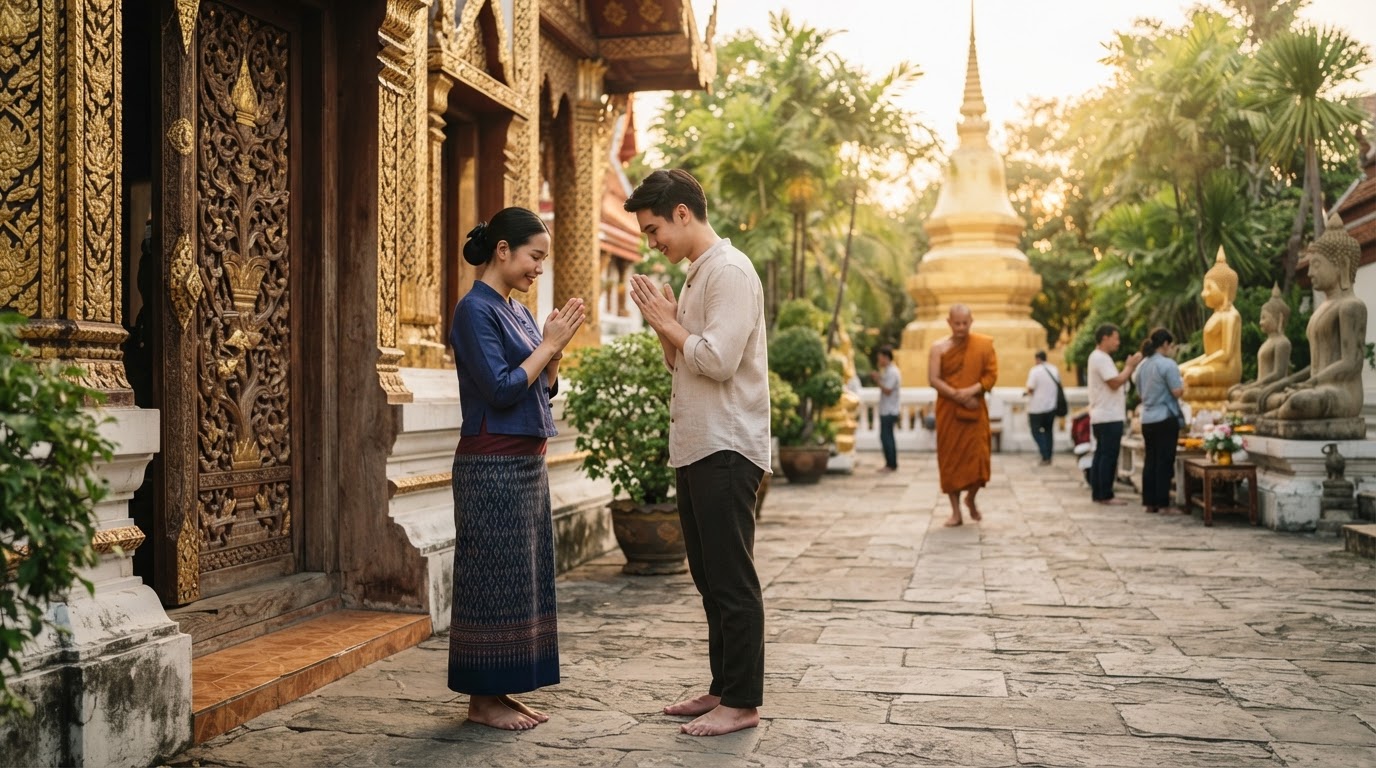
One of the most iconic gestures in Thailand is the wai. Often seen as a graceful hand gesture, it serves not only as a greeting but also as an expression of respect. Here's how to perform a proper wai:
- Position Your Hands: Place your hands together at chest level with fingers and thumbs pressed firmly against each other.
- Bow Gently: Bow slightly while maintaining eye contact or looking down, depending on the formality of the situation and the age or status of the person you are greeting.
- Return the Wai: If someone greets you first by wai-ing, it is polite to return the gesture with a slight bow.
The depth of the wai can vary based on the context and relationship between individuals; the higher the hands, the more respect is being shown.
Respecting Thai Monks
Thailand is known for its numerous Buddhist temples (wats) and monks, who play significant roles in daily life and society. Here are some etiquette rules when interacting with monks:
- Dress Appropriately: When visiting a temple or areas where monks reside, dress modestly and respectfully—cover your shoulders and knees.
- Do Not Touch Monks: Due to the high respect for Buddhist clergy, it is considered inappropriate to touch any monk physically. Even patting on the back or a casual hug can be seen as disrespectful.
- Offerings: If you wish to offer something to a monk, do so with both hands. Gifts are usually limited to items like food (before noon), robes, towels, and medical supplies.
Table Manners in Thailand
Thai cuisine is renowned for its delicious flavors and diverse dishes. Understanding table manners can help you enjoy your meals more:
- Use Chopsticks or Forks: While chopsticks are used in some Thai dishes influenced by Chinese culture, the most common utensils are a fork (used to push food onto the spoon) and sometimes a spoon alone.
- Do Not Waste Food: Show respect for the meal by finishing what’s on your plate. It is considered wasteful and disrespectful to leave food uneaten.
- Wait Until Everyone Is Served: Before starting to eat, wait until everyone at the table has been served. This reflects the Thai values of equality and community.
Dress Code in Thailand
While Thailand offers a wide range of styles for both locals and tourists, it’s important to dress appropriately:
- Cover Up When Visiting Temples: Wear clothing that covers your shoulders and knees when visiting religious sites. Some temples even provide sarongs or shawls to cover exposed areas.
- Be Mindful in Public Spaces: In general, avoid wearing revealing clothes in public places as it can be seen as disrespectful.
Public Behavior Etiquette
Interacting respectfully with others is a key part of Thai culture:
- Avoid Loud Conversations and Arguments: Speaking loudly or arguing publicly is generally frowned upon. Keep your voice down and resolve disputes calmly.
- Respect Elders: Show deference to older people, whether it’s in conversation, giving up seats on public transport, or offering assistance.
Using Public Transport
Thailand has an extensive network of buses, trains, and boats which can be a great way to travel around the country:
- Queue Up Respectfully: When waiting for transportation, line up patiently and wait your turn. Pushing in line is considered rude.
- Offer Your Seat: It’s customary to offer your seat to elders or pregnant women on buses and trains.
Dealing with Service Staff
Thai service staff are known for their warmth and friendliness:
- Tip Appropriately: While tipping isn’t mandatory, it is appreciated if you have received good service. Leaving a small tip (around 10% in restaurants) is common.
- Show Appreciation: A simple thank-you can go a long way. Use phrases like “kop khun” for "thank you" to show your gratitude.
Cultural Sensitivity and Religion
Respecting religious beliefs goes beyond just visiting temples:
- Remove Your Shoes When Entering Homes or Temples: This is a sign of respect for personal space and sanctity.
- Be Respectful During Religious Ceremonies: If you are invited to attend a ceremony, observe quietly unless asked otherwise. Avoid taking photos during sacred moments.
Summary Checklist
Before heading out in Thailand: 1. Practice the wai greeting. 2. Dress appropriately when visiting religious sites. 3. Follow table manners and avoid wasting food. 4. Be mindful of public behavior, especially around elders. 5. Respect service staff by tipping and showing appreciation. 6. Remove your shoes when appropriate.
By adhering to these customs, you’ll not only show respect for Thai culture but also enrich your travel experience in a country known for its warm hospitality and rich traditions. Enjoy your journey through the Land of Smiles with these guidelines in mind!