Navigating Thai Etiquette: A Guide to Do's and Don'ts in Thailand
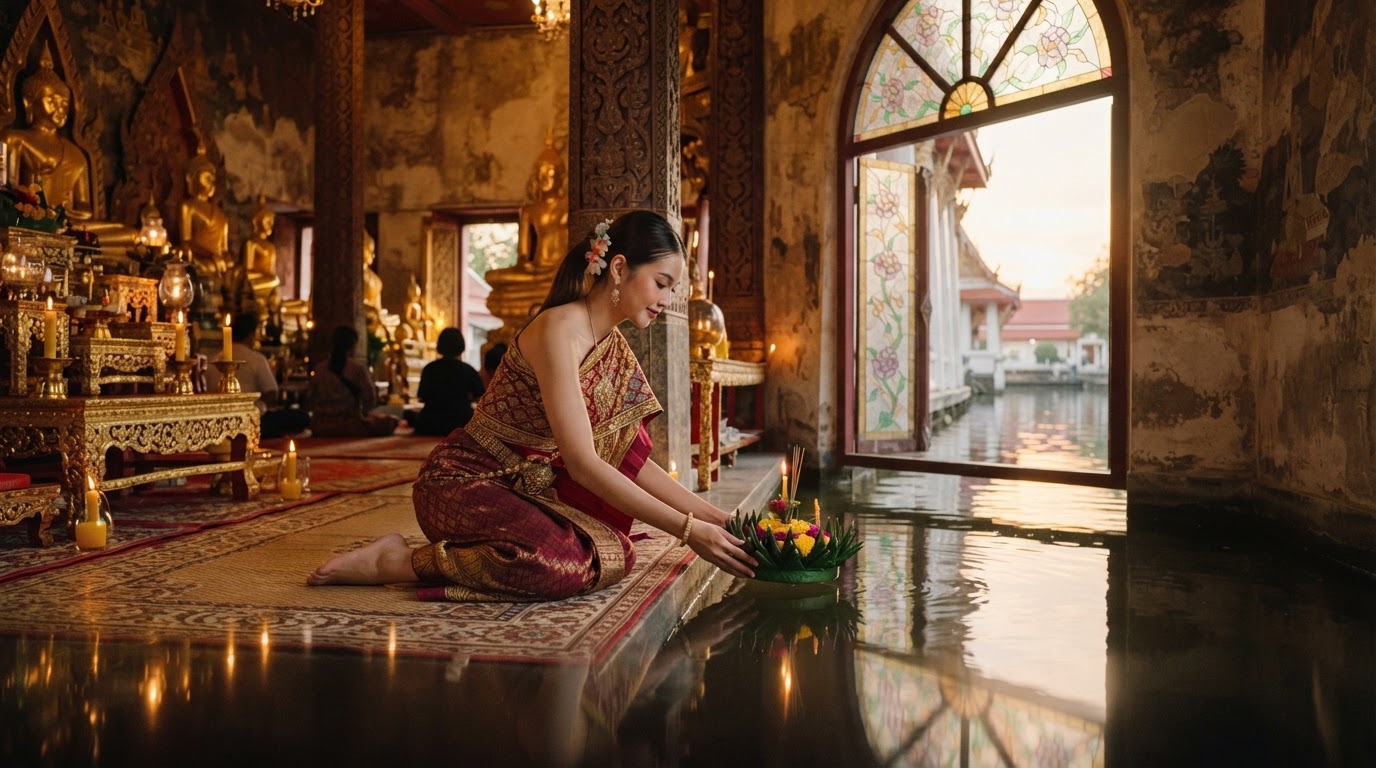
When visiting a new country, especially one as rich with culture as Thailand, it can feel daunting to know how to navigate everyday interactions. You want to respect the local customs but also enjoy your journey without constantly worrying about making social faux pas. Understanding Thai etiquette is key to having a smooth and enriching trip. This guide will walk you through essential do's and don’ts in Thailand so that you can immerse yourself in the culture with confidence.
Greetings: The Wai
One of the first things you might notice upon arrival is the “wai,” the traditional Thai greeting where palms are pressed together at chest level. How to perform a wai correctly will depend on who you are greeting and your relative status:
- Step 1: Start by placing both hands in front of your chest, with fingers pressed together.
- Step 2: Bow your head slightly towards the palms. The higher up the body the hands are held (closer to the face), the more respectful it is considered.
- Step 3: When responding to a wai from someone younger or of lower status, just nod and smile.
Clothing: Respectful Attire
Dressing appropriately in Thailand is crucial when visiting temples, formal events, or public places:
- Do cover up when going to religious sites—shoulders and knees should be covered for both men and women.
- Don’t wear revealing clothing such as tank tops or shorts that don't reach the knee.
- Carry a sarong if you plan on visiting temples frequently, as it can quickly cover up uncovered parts of your legs.
Dining Etiquette
Eating is more than just sustenance in Thailand; it’s an experience to be enjoyed with friends and family:
- Do sit down to eat even when eating street food or at casual restaurants.
- Don’t point directly with the fork—use a spoon instead, as pointing with a utensil can be seen as rude.
- Use your right hand for passing items; in Thai culture, the left is considered unclean.
Addressing People
Understanding how to address people appropriately shows respect and a willingness to adapt:
- Do use titles like "Khun" (Mr./Mrs.), followed by their name. For teachers or senior officials, use "Teacher" or "Sir."
- Don’t call someone by just their first name unless invited to do so; it’s considered disrespectful.
- Be mindful of age and status: older people are typically addressed with more formal titles.
Showing Respect
Respect is a cornerstone of Thai culture, and there are specific ways to show this:
- Do remove your shoes before entering someone's home or temples—this shows respect for the space.
- Don’t touch anyone’s head, including children; it’s considered disrespectful and rude.
- Avoid pointing at people with your feet: this is seen as a sign of disrespect.
Public Behavior
Public behavior in Thailand can sometimes be different from what you might expect:
- Do respect quiet hours—often, 8 PM to 7 AM, when noise should be kept to a minimum.
- Don’t display public affection like kissing or embracing; it’s considered inappropriate and disrespectful.
- Cover your mouth when yawning or coughing in public.
Giving Gifts
Gift-giving is common in Thai culture as a way of showing respect, gratitude, or appreciation:
- Do give gifts wrapped nicely, but not too extravagantly—this can make the recipient feel uncomfortable.
- Don’t gift anything sharp like knives or scissors; these are symbolic of cutting ties.
- Avoid giving flowers to mourners: in Thai culture, white chrysanthemums are used for funerals.
Tipping
While tipping is not as common in Thailand as it might be elsewhere, there are a few things to keep in mind:
- Do tip service staff at hotels and restaurants if they’ve provided excellent service.
- Don’t expect change: when giving a small amount over the bill, assume you’re rounding up the total.
Conclusion: Embracing Thai Culture
Navigating Thai etiquette is about more than just following rules; it’s about embracing the spirit of respect and hospitality that defines this warm and welcoming country. By following these tips, you’ll not only avoid cultural misunderstandings but also enhance your trip by engaging more deeply with the local culture.
Checklist for a Smooth Trip in Thailand
- Learn to wai properly.
- Dress appropriately, especially when visiting temples or formal events.
- Mind dining etiquette: sit down, don’t point directly with utensils.
- Use respectful titles when addressing people.
- Show respect through small actions like removing shoes and avoiding touching heads.
- Be mindful of public behavior norms regarding noise levels and displays of affection.
- Give gifts appropriately, wrapped nicely but not extravagantly.
- Tip service staff who provide excellent service.
Embrace the journey with an open heart, and you’ll find that your interactions in Thailand will be as enriching for you as they are respectful towards Thai culture. Enjoy your time in this beautiful country!