Thai Culture Unpacked: Essential Manners for Your Trip to Thailand
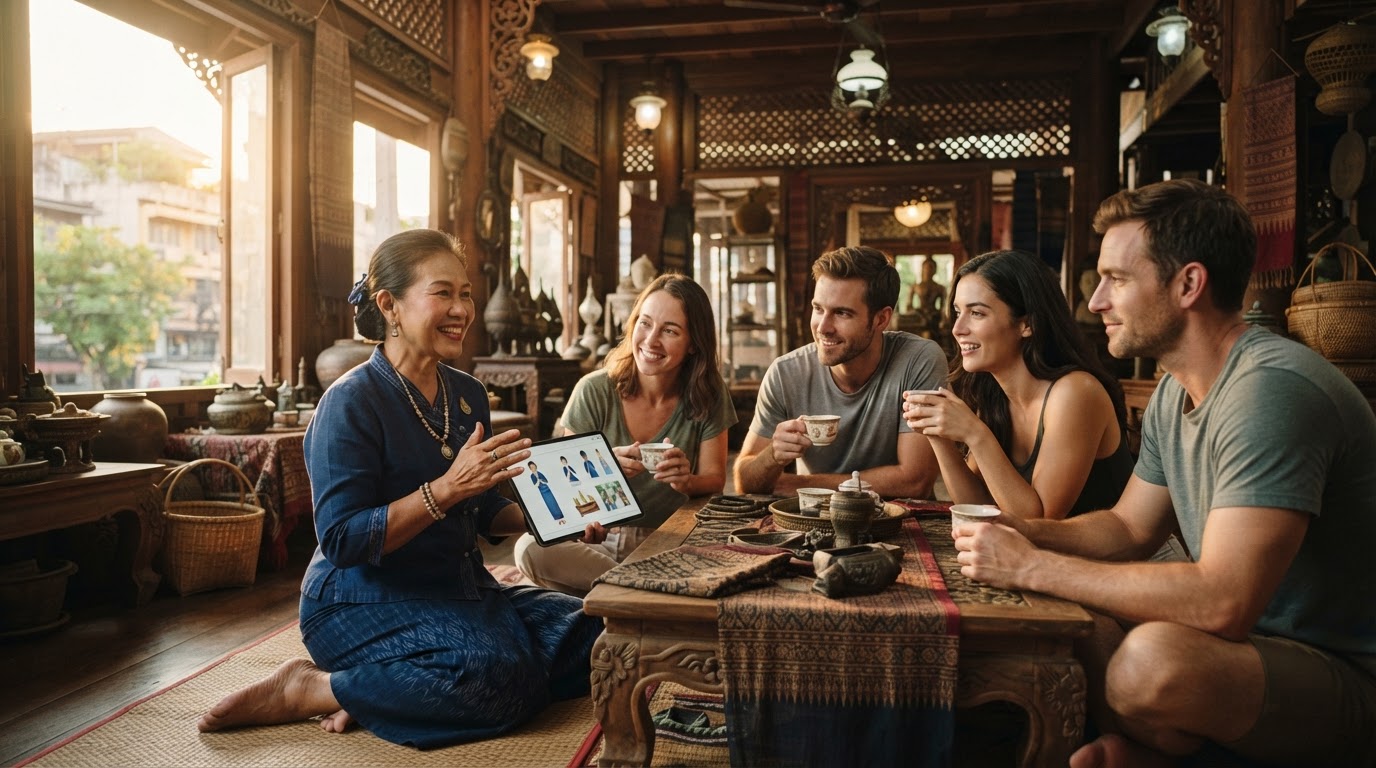
Embarking on a journey to Thailand, one of Southeast Asia's most vibrant destinations, can be both exciting and daunting. As you prepare to immer yourself in the rich tapestry of Thai culture, understanding its etiquette is not only respectful but also enhances your experience. From knowing how to greet someone with a wai to avoiding disrespectful gestures, every detail counts.
Why Understanding Thai Etiquette Matters
Thailand’s charm lies in its warm hospitality and deep-rooted traditions. Respecting these customs can help you build positive relationships with locals and ensure smoother interactions during your stay. This guide aims to equip you with the essential manners that will make your trip more enjoyable, respectful, and memorable.
Basic Greetings: The Wai
The wai is a traditional Thai greeting where both hands are pressed together in front of the chest or face. It’s an act of respect and can vary based on who you're greeting: 1. Position Your Hands: Place your palms together at chest level. 2. Bow Slightly: Nod your head slightly towards your hands to show respect. 3. Adjust Based on Context: If meeting someone older or in a higher position, bring your hands up to your face.
Do’s and Don’ts for Visitors
Do Respect Elders and Monks
- Greet Elders Appropriately: Always use the wai when greeting elders; it shows respect.
- Be Mindful Around Monks: Avoid touching monks or offering them anything directly. If you must give something, place it on a table first.
Don’t Point with Your Feet
- Avoid Foot Gestures: Never point at people or objects using your feet as this is considered highly disrespectful in Thai culture.
- Mind How You Sit: When sitting on the floor, keep your feet flat and tucked under you instead of pointing them towards others.
Eating Etiquette
Do Use Chopsticks Wisely
- Use Your Hands for Noodles: In some restaurants, especially those serving noodle dishes like pad Thai, it’s acceptable to eat with your hands.
- Chopstick Rules: If using chopsticks, avoid sticking them vertically into a bowl of rice as this resembles incense sticks used in funerals.
Don’t Waste Food
- Finish What You Take: Thais believe that wasting food is disrespectful. Make sure you finish what’s on your plate or take leftovers home if possible.
- Use Utensils Properly: If utensils are provided, use them appropriately to avoid making a mess.
Dress Code and Public Behavior
Do Cover Up in Religious Sites
- Wear Modest Clothing: When visiting temples or other religious sites, ensure your shoulders and knees are covered. Many places provide sarongs for visitors who have forgotten their appropriate attire.
- Remove Shoes Before Entering Temples: Always remove your shoes before entering a temple to show respect.
Don’t Engage in Public Displays of Affection
- Respect Cultural Norms: Thais generally view public displays of affection, such as kissing or hugging in public places, as inappropriate and disrespectful.
- Keep Conversations Quiet: Speak softly when conversing in public spaces; loud voices can be perceived as rude.
Navigating the Local Marketplaces
Do Bargain with a Smile
- Bargaining is Expected: In markets like Chatuchak Weekend Market or Amphawa Floating Market, bargaining for goods is expected and part of the fun. Be prepared to engage in friendly negotiations.
- Be Patient and Polite: Even if you don’t get the price you want, maintain a smile and thank the seller for their time.
Don’t Take Photos Without Asking
- Ask Before Photographing: If you wish to take photos of locals or traditional settings, always ask permission first. This is especially important in rural areas where photography might not be common.
- Respect Cultural Sensitivities: Be mindful of cultural and religious sensitivities when taking photographs at temples or other sacred sites.
Navigating Transportation
Do Show Respect to Drivers
- Say “Khob Khun Krab” (Thank You): Always thank your driver politely, whether you’re using a tuk-tuk or taxi.
- Buckle Up: If seatbelts are available in the vehicle, always use them as it shows respect for safety rules.
Don’t Be Late
- Punctuality is Key: Arriving late to meetings or appointments can be seen as disrespectful. Plan your time effectively and allow buffer times for unexpected delays.
- Respect Public Transportation Schedules: If using buses or trains, arrive a few minutes early to avoid missing the departure.
Dealing with Customs and Authorities
Do Be Polite at All Times
- Maintain a Respectful Attitude: When dealing with customs officials or other authorities, always maintain a respectful attitude. Address them politely without raising your voice.
- Carry Documentation Properly: Ensure you have all necessary documentation for entry and exit, including visas if required.
Don’t Argue Publicly
- Avoid Confrontations: If there’s an issue with customs or any authority figure, it’s best to maintain a calm demeanor. Avoid raising your voice or arguing publicly as this can escalate the situation.
- Seek Assistance Wisely: If you face difficulties understanding regulations, politely seek assistance from embassy personnel or local tour guides.
Summary and Checklist
Understanding Thai etiquette is key to enjoying your trip fully while showing respect for its rich culture. Here’s a quick checklist of important points: 1. Greet elders and monks with the wai. 2. Avoid pointing with feet; keep hands off religious items. 3. Use utensils appropriately and cover up in temples. 4. Bargain politely, ask before taking photos, and maintain public decorum. 5. Show respect to transportation drivers and be punctual.
By following these guidelines, you’re not only respecting Thai customs but also making your visit more enjoyable and meaningful. Embrace the spirit of Thailand with an open heart and mind, and you’ll undoubtedly create lasting memories. Happy travels!