The Art of Thai Hospitality: Understanding Local Etiquette
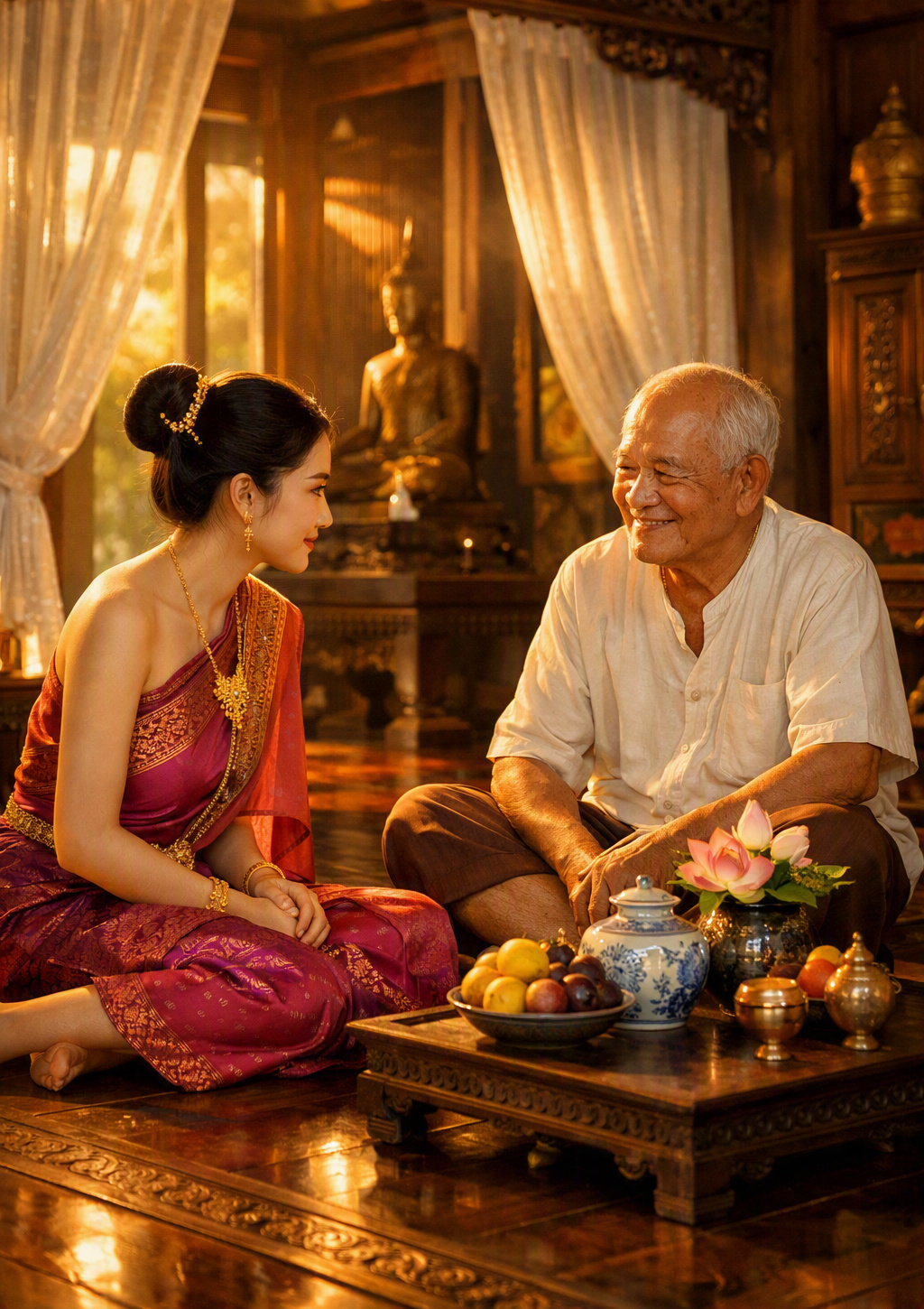
When visiting Thailand, you might find yourself in awe of its breathtaking landscapes, rich culture, and warm hospitality. However, every country has its unique set of customs that can sometimes seem daunting to visitors unfamiliar with them. Navigating these customs not only enriches your experience but also shows respect for the local culture. This guide aims to help you understand Thai etiquette so you can immerse yourself in Thailand's charm without unintentionally offending anyone.
Why Understanding Thai Etiquette Matters
Thailand is known as "The Land of Smiles," where friendliness and courtesy are deeply ingrained in daily life. However, these traits do not mean that all actions go unnoticed or unjudged. For example, showing disrespect to elders or the royal family can be seen as a significant offense. Understanding Thai customs allows you to interact with locals on their terms, making your visit more enjoyable for both parties.
Step-by-Step Guide to Navigating Thai Etiquette
Greetings and Gestures
Thais use the wai (wah-yee) as their primary greeting gesture. It involves pressing palms together in a prayer-like position at chest level while slightly bowing. When you meet someone older or of higher status, place your hands higher up towards your face to show more respect.
Actionable Tip: Always initiate the wai if you're younger or have less social standing than the person you’re greeting.
Dining Etiquette
Meals are central to Thai culture and should be approached with consideration. When eating at a local's house, wait for the host to invite you to sit before starting your meal. Use utensils like chopsticks carefully—spreading food around on your plate is considered rude, as it implies that the dish was not prepared well.
Actionable Tip: Learn basic phrases like "thank you" (khop khun krap/kha) and "please" (thongrai khrap/kha) to show gratitude for the meal.
Dressing Appropriately
Thailand is known for its hot weather, but dressing modestly shows respect. This means covering your shoulders and knees when visiting temples or other sacred sites. Women should avoid wearing sleeveless tops or miniskirts in public places as they may be seen as disrespectful.
Actionable Tip: Pack a light scarf to cover up when needed without compromising on comfort.
Public Behavior
Public displays of affection are generally frowned upon, especially in more conservative areas like temples or rural communities. Loud conversations and rowdy behavior can also make you stand out negatively. Keep your voice down and avoid arguing publicly.
Actionable Tip: Observe the locals around you; if they keep to themselves quietly, it’s a good idea to do the same.
Showing Respect
Respect is paramount in Thai culture. Always remove shoes when entering someone's home or any temple (wat). Pointing your feet at others, especially elders, is considered disrespectful as feet are seen as impure. When giving items like money or gifts, use both hands rather than just one hand.
Actionable Tip: If you find yourself in a situation where showing respect seems complicated, mirroring the actions of those around you can help ensure you’re on the right track.
Cultural Sensitivity
Thailand’s monarchy is highly revered. Publicly questioning or criticizing the royal family could lead to serious legal consequences under lese majeste laws. It's wise to avoid discussions that might be seen as disrespectful.
Actionable Tip: When in doubt, it’s best to change the subject to safer topics like food, travel experiences, or Thai culture.
Summary and Checklist
Understanding these etiquette rules can make your stay in Thailand all the more enjoyable and respectful. Here’s a quick checklist to help you remember the key points:
- Greet with a wai when meeting someone.
- Wait for an invitation before sitting at meals.
- Cover shoulders and knees when visiting temples or sacred places.
- Speak quietly in public and avoid loud displays of affection.
- Remove shoes when entering homes or temples.
- Use both hands when giving items to show respect.
By following these guidelines, you’ll not only navigate Thailand’s customs with ease but also create memorable experiences by showing appreciation for its rich cultural heritage. Whether you're exploring bustling Bangkok streets or relaxing on the islands of Phuket, your respectful behavior will be warmly received and remembered fondly.