A Journey Through Time: Historical Significance of Thai Temples
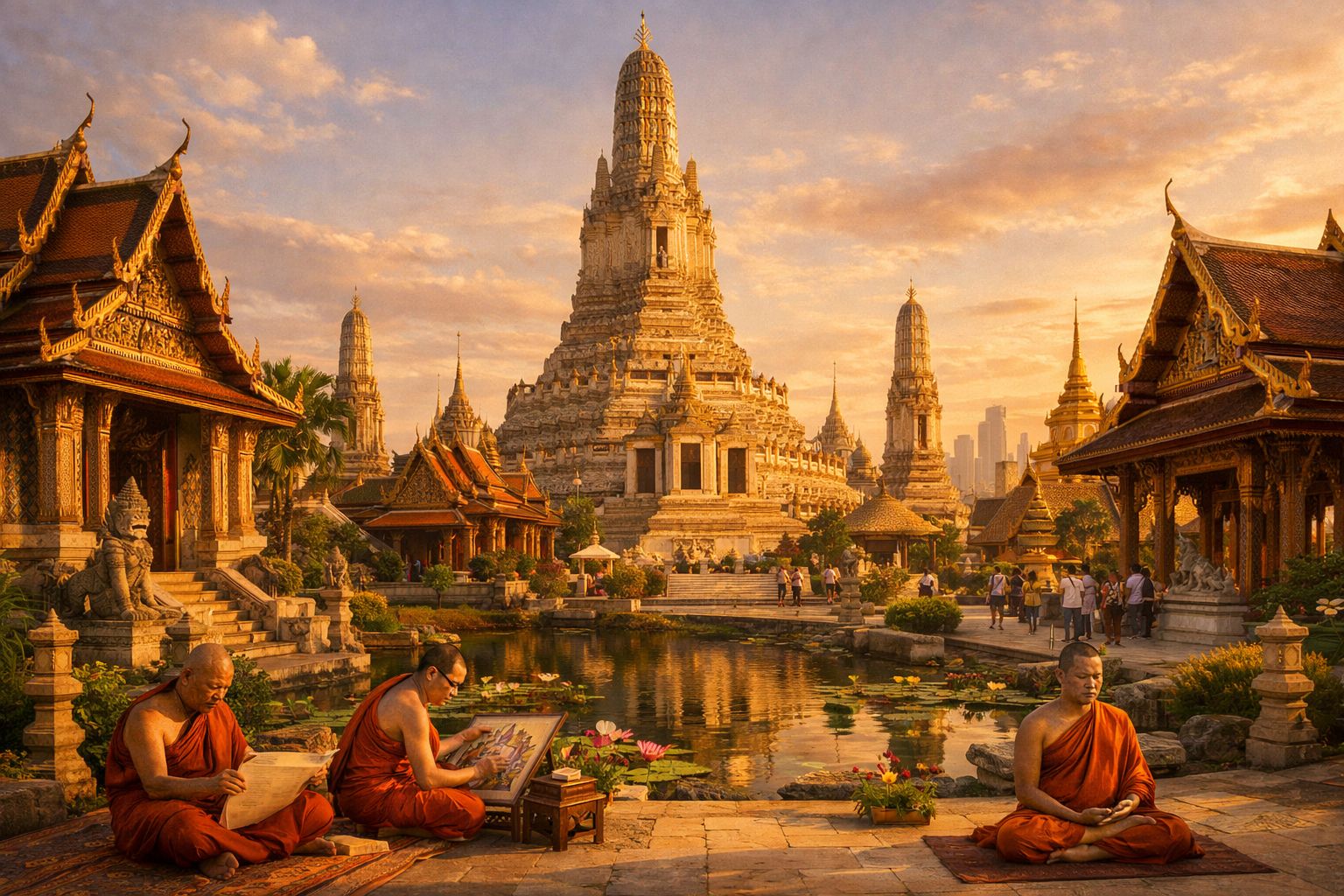
Embarking on a trip to Thailand, you might find yourself overwhelmed by the sheer number of temples scattered across the country. Each temple not only represents religious devotion but also carries a piece of Thailand's rich history and culture within its walls. How do you navigate through these sites and truly appreciate their significance? This guide will take you on a journey through time, exploring the historical importance of Thai temples and providing insights into how to make your visit both educational and memorable.
Understanding the Role of Temples in Thai Culture
To fully grasp the importance of Thai temples, it's crucial to understand their role in society. Temples are more than places of worship; they serve as community centers where people gather for religious ceremonies, festivals, and even social events. Historically, they have also functioned as schools, healthcare providers, and shelters during times of conflict.
Tip: Before your visit, read up on the history of Buddhism in Thailand to better appreciate how temples are central to daily life and cultural identity. Many travel guides offer brief overviews that can serve as excellent starting points for deeper exploration.
Exploring Major Historical Temples
Wat Phra Kaew (Temple of the Emerald Buddha)
Located within the Grand Palace complex, Wat Phra Kaew is perhaps one of Thailand’s most iconic temples. It houses the revered Emerald Buddha, a green jade statue cloaked in gold that changes with the seasons. This temple was originally constructed during the reign of King Rama I and has been rebuilt several times over the centuries.
Actionable Tip: Visit Wat Phra Kaew early in the morning to avoid crowds and capture the serene atmosphere of the temple. Also, dress conservatively as a sign of respect.
Wat Arun (Temple of Dawn)
Another must-see is Wat Arun, often referred to as the Temple of Dawn due to its beautiful appearance when lit by the sunrise. The temple’s central prang (tower) was built in the early 19th century and is decorated with colorful ceramics and seashells.
Actionable Tip: Climb up the steep stairs of Wat Arun for panoramic views of Bangkok but be cautious as the steps can be challenging, especially in high heels or slippery footwear.
Wat Phra That Doi Suthep
Situated on a mountain just outside Chiang Mai, this temple dates back to 1383 and is considered one of Thailand’s most sacred sites. The golden chedi (stupa) enshrines relics of Buddha and the surrounding complex includes numerous smaller temples and shrines.
Actionable Tip: Take the cable car up Doi Suthep for a breathtaking view, but prepare to walk through 309 steps leading directly to the temple itself.
Uncovering Hidden Gems
While major temples like Wat Phra Kaew are essential stops on any itinerary, exploring lesser-known temples can offer a more intimate and authentic experience. Temples such as Wat Suan Dusit in Bangkok or Wat Ban Rai in northern Thailand provide unique insights into local religious practices and architectural styles.
Actionable Tip: Ask locals for recommendations about off-the-beaten-path temples. Often, these sites are just as historically significant but offer a more tranquil atmosphere than major tourist attractions.
Participating in Temple Rituals
Engaging with temple rituals can be an enriching experience that deepens your understanding of Thai Buddhist traditions. From morning alms-giving (tak bat) to candlelight processions during Loy Krathong, these activities are not only culturally significant but also offer a chance for spiritual reflection.
Actionable Tip: If you wish to participate in rituals or ceremonies at temples, always inquire beforehand about appropriate attire and behavior. It’s also respectful to contribute a donation if invited to join in such events.
Preserving Temple Heritage
As a visitor, it's important to remember that Thai temples are living historical sites. Actions as simple as not touching the ancient statues or leaving graffiti can have long-lasting impacts on these irreplaceable cultural treasures.
Actionable Tip: Follow any rules posted at temple entrances and be mindful of your surroundings. Photography is usually permitted but check if there are specific areas where it’s restricted for religious reasons.
Conclusion: A Journey to Remember
Exploring the historical significance of Thai temples enriches your travel experience, offering insights into the country's spiritual beliefs and traditions that have been passed down through generations. By approaching each temple with respect and curiosity, you'll not only learn about Thailand’s past but also contribute positively to its future.
Summary Checklist:
- Research Buddhism in Thailand before visiting.
- Visit major temples early to avoid crowds.
- Explore lesser-known temples for a more intimate experience.
- Participate respectfully in temple rituals if possible.
- Follow rules and guidelines to preserve the cultural heritage of these sites.
Embark on this journey with an open heart and mind, ready to immerse yourself in the rich tapestry of Thai culture. Each temple you visit will add another layer to your understanding of Thailand’s spiritual landscape, creating memories that last a lifetime.