Thailand's Hidden Gems: Lesser-Known Temples Worth Visiting
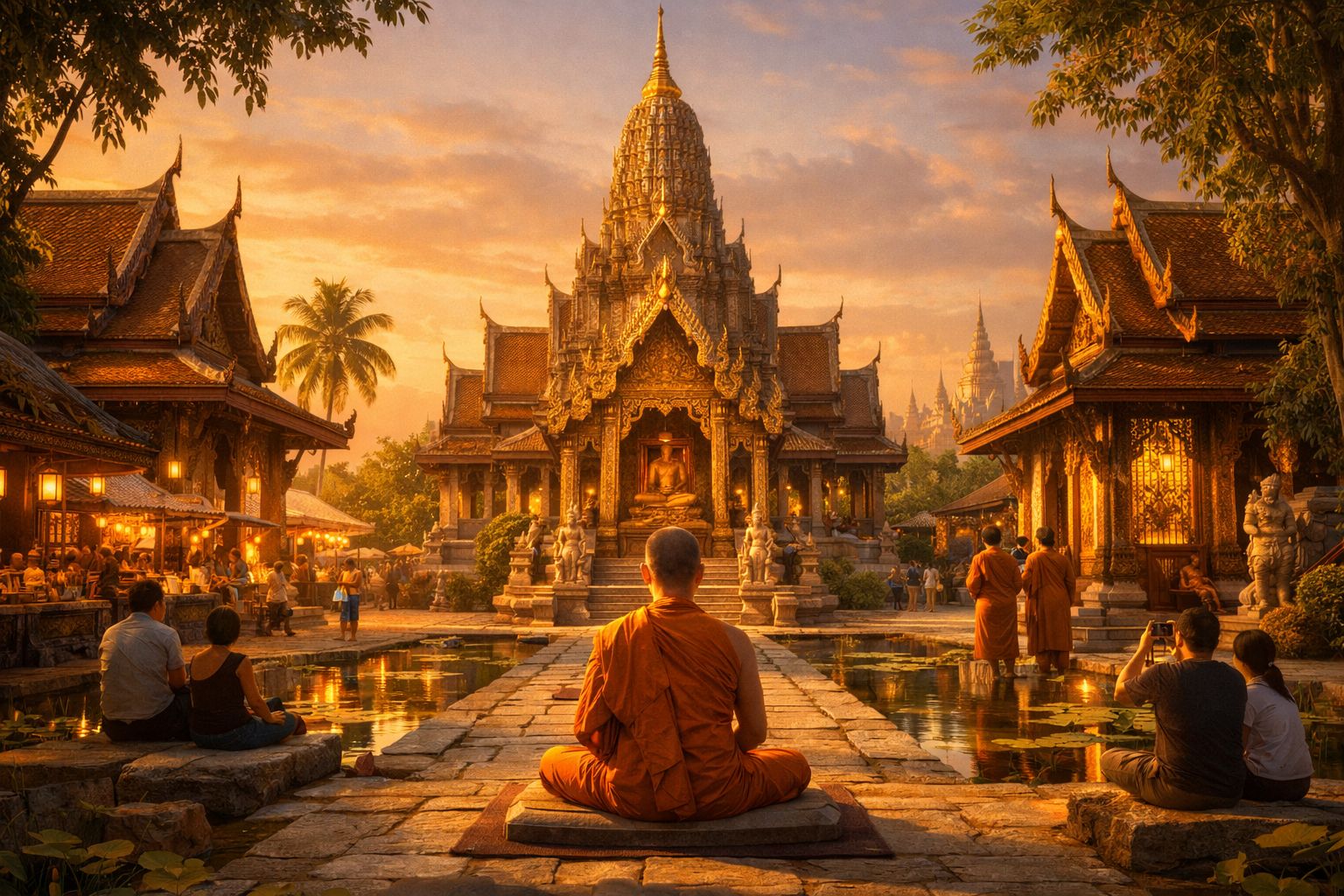
Exploring the temples of Thailand is one of the most enriching experiences for travelers, offering a glimpse into its profound spiritual heritage. While many visitors flock to popular sites like Wat Phra Kaew and Wat Arun in Bangkok, there are countless lesser-known temples that offer just as much splendor and tranquility without the throngs of tourists. In this guide, we’ll delve into some hidden gems you can visit on your next trip to Thailand, ensuring you have an authentic and peaceful temple experience.
Why Visit Lesser-Known Temples?
Thailand is home to thousands of temples, or wats, that serve as centers for Buddhist worship and community life. While the most famous ones are often crowded with both locals and tourists, less-known temples can provide a serene environment where you can truly appreciate the architecture and cultural significance without feeling rushed.
Navigating Thailand’s Temples: A Practical Guide
1. Do Your Research
Before setting out to explore lesser-known temples, it’s essential to do some research. Look for temples that are less frequented but still boast significant historical or architectural value. Online forums and travel blogs can be great resources. Also, check opening times as some temples may not operate daily.
2. Respect the Rules
Regardless of how remote a temple might seem, it’s important to respect its customs. Dress modestly—shoulders and knees should be covered—and remove your shoes before entering any shrine or hall. It’s also respectful to avoid loud talking and photography restrictions inside sacred areas.
3. Plan Your Route Wisely
If you’re visiting multiple temples in one day, consider the geographical layout of the area. Grouping nearby temples together can save on travel time and help you efficiently manage your schedule without feeling rushed between sites.
Discovering Thailand’s Hidden Temples
Temple of Wat Chai Mongkhon (Chiang Mai)
Wat Chai Mongkhon is a small yet beautiful temple located just outside the old city walls in Chiang Mai. Its serene gardens and traditional Thai architecture make it an ideal spot for meditation or simply enjoying some peace away from the bustling streets.
How to Get There: Take a tuk-tuk from Chiang Mai’s old town area, or use a taxi service available through apps like Grab.
Wat Phra Singh (Chiang Rai)
Wat Phra Singh in Chiang Rai is less crowded compared to its counterparts but no less impressive. It houses the famous Emerald Buddha and offers intricate murals that tell stories of Thai history and Buddhist mythology.
How to Get There: Easily accessible by local bus or tuk-tuk from central Chiang Rai; it’s also within walking distance if staying in town.
Wat Mahathat (Ayutthaya)
Wat Mahathat is part of the UNESCO World Heritage site of Ayutthaya Historical Park. This temple complex features an iconic Buddha head entwined by tree roots, a powerful symbol that has become one of Thailand’s most recognizable landmarks.
How to Get There: Rent a bike in Ayutthaya town or take a tuk-tuk ride from your accommodation; the temple is located within the historical park area.
Wat Suwan Dararam (Bangkok)
Wat Suwan Dararam, also known as Wat Tha Phraya Nakhon, is hidden away in Bangkok’s less touristy areas. It offers a stunning view of Bangkok with its white chedi and golden spires reflecting off the nearby canals.
How to Get There: Take a river taxi from Tha Tien Pier near Wat Pho, or use public transport to get to Banglamphu station then walk towards the canal area.
Wat Pa Maha Chedio Kaew (Kanchanaburi)
Wat Pa Maha Chedio Kaew is not only less visited but also stands out with its unique glass mosaic architecture. This temple uses millions of small pieces of colored glass, creating an extraordinary visual experience under natural light.
How to Get There: Take a bus from Kanchanaburi town or organize transport through local tour agencies that offer day trips to nearby attractions.
Tips for Enjoying Your Temple Experience
- Bring Water and Snacks: Many temples are in remote areas, so it’s wise to carry your own water bottle and snacks.
- Wear Comfortable Shoes: You’ll be doing a lot of walking around the temple grounds, so make sure you have comfortable footwear.
- Carry Sun Protection: Especially if you’re visiting during midday, bring sunscreen and sunglasses.
Conclusion: Your Temple Adventure Awaits
Exploring Thailand’s lesser-known temples is not only an opportunity to experience its cultural depth but also a chance to enjoy the country’s spiritual landscapes in peace. Each temple has its own story and charm, providing unique insights into Thai history and artistry. By following this guide, you can plan your visits effectively and truly immerse yourself in the serene beauty of these hidden gems.
Checklist Before You Go
- [ ] Research and select temples to visit
- [ ] Ensure appropriate attire for visiting temples
- [ ] Check opening times and accessibility
- [ ] Plan transportation between temple locations
- [ ] Pack water, snacks, sun protection, and comfortable shoes
Embark on your journey with an open mind and heart, ready to uncover the lesser-known treasures of Thailand’s spiritual heritage.