The Art and Architecture of Thai Buddhist Temples
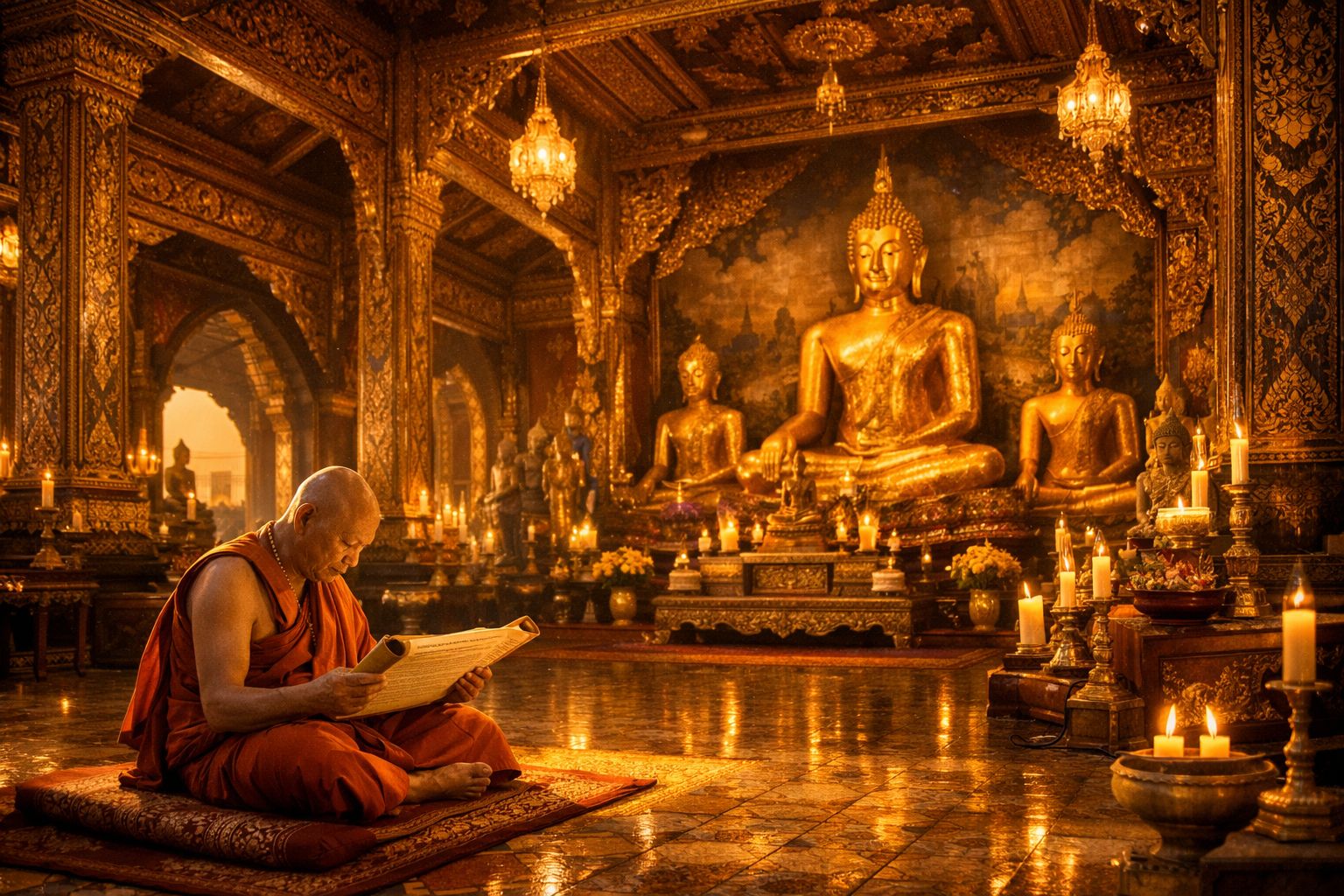
When you visit Thailand, one of the most captivating aspects to explore is its rich cultural heritage, embodied in the grandeur and beauty of its Buddhist temples. These sacred sites are not only places of worship but also repositories of art and architecture that reflect centuries of history, tradition, and religious devotion. Understanding the intricate designs, symbolism, and historical significance can greatly enhance your experience when visiting these awe-inspiring structures.
Why Explore Thai Temple Art and Architecture?
Thai temples, or "wats," are more than just buildings; they are living museums showcasing the nation’s artistic journey through the ages. Each temple holds a unique blend of architectural styles, from classical Lanna in the north to Ayutthaya style in central Thailand. Exploring these sites can enrich your trip by providing insight into Thai culture and history, making every visit a memorable learning experience.
Step-by-Step Guide to Understanding Thai Temple Art and Architecture
1. Recognizing Architectural Styles
Thai temple architecture has evolved over centuries, influenced by various kingdoms and periods of governance. Here’s how you can identify some of the most common styles:
- Ayutthaya Style: Characterized by its grandeur, this style is often recognized by its large, square-based prang (towers) with multiple tiers.
- Lanna Style: Predominant in Northern Thailand, Lanna temples are noted for their multi-tiered roofs and intricate wood carvings.
- Rattanakosin Style: Developed during the Bangkok period, these temples feature elaborate decorations and gold leaf extensively.
2. Deciphering Temple Layouts
Understanding the layout of a Thai temple can help you appreciate its significance better:
- The main hall or "ubosot" is where Buddha images are kept.
- The assembly hall or "viharn" hosts large assemblies for ceremonies and sermons.
- Monks’ quarters, typically separate from public areas, reflect their secluded lifestyle.
3. Unraveling Symbolism in Art
Thai temple art is rich with symbolism that tells stories of the Buddha’s life and Buddhist teachings:
- Buddha Images: Various poses represent different aspects of Buddhism—such as meditation or teaching.
- Murals: Often depict scenes from Jataka tales, illustrating moral lessons through past lives of the Buddha.
4. Exploring Temple Grounds
Wandering around a temple’s grounds can reveal hidden gems:
- Stupas and Chedis: These are monuments housing relics of the Buddha or revered monks.
- Wat Gardens: Many temples have beautifully maintained gardens that offer tranquil spaces for reflection.
Tips for Visiting Thai Temples
- Dress Appropriately: Wear clothes that cover your shoulders and knees as a sign of respect.
- Remove Shoes: Before entering any temple buildings, remove your shoes to avoid offending locals.
- Photography Etiquette: Ask permission before taking photos of people or sacred areas. Some temples may prohibit flash photography.
Summary
Thai Buddhist temples are not just places of worship but also living museums that showcase the nation’s rich cultural and historical tapestry. By understanding their architectural styles, layouts, and artistic symbolism, you can gain a deeper appreciation for these magnificent structures. Each temple is a unique blend of history, religion, and culture, making every visit an enriching experience.
Checklist Before Your Visit
- Familiarize yourself with the different architectural styles.
- Understand the layout of the main areas within a temple.
- Learn about the common symbols used in Thai Buddhist art.
- Pack appropriate clothing for your visit.
- Respect local customs by removing shoes and asking permission before taking photos.
By following this guide, you will be well-prepared to appreciate the beauty and depth of Thai temple architecture on your next visit. Enjoy exploring these sacred sites that hold centuries of history within their walls.