Cultural Insights: Rituals and Practices at Thai Temples
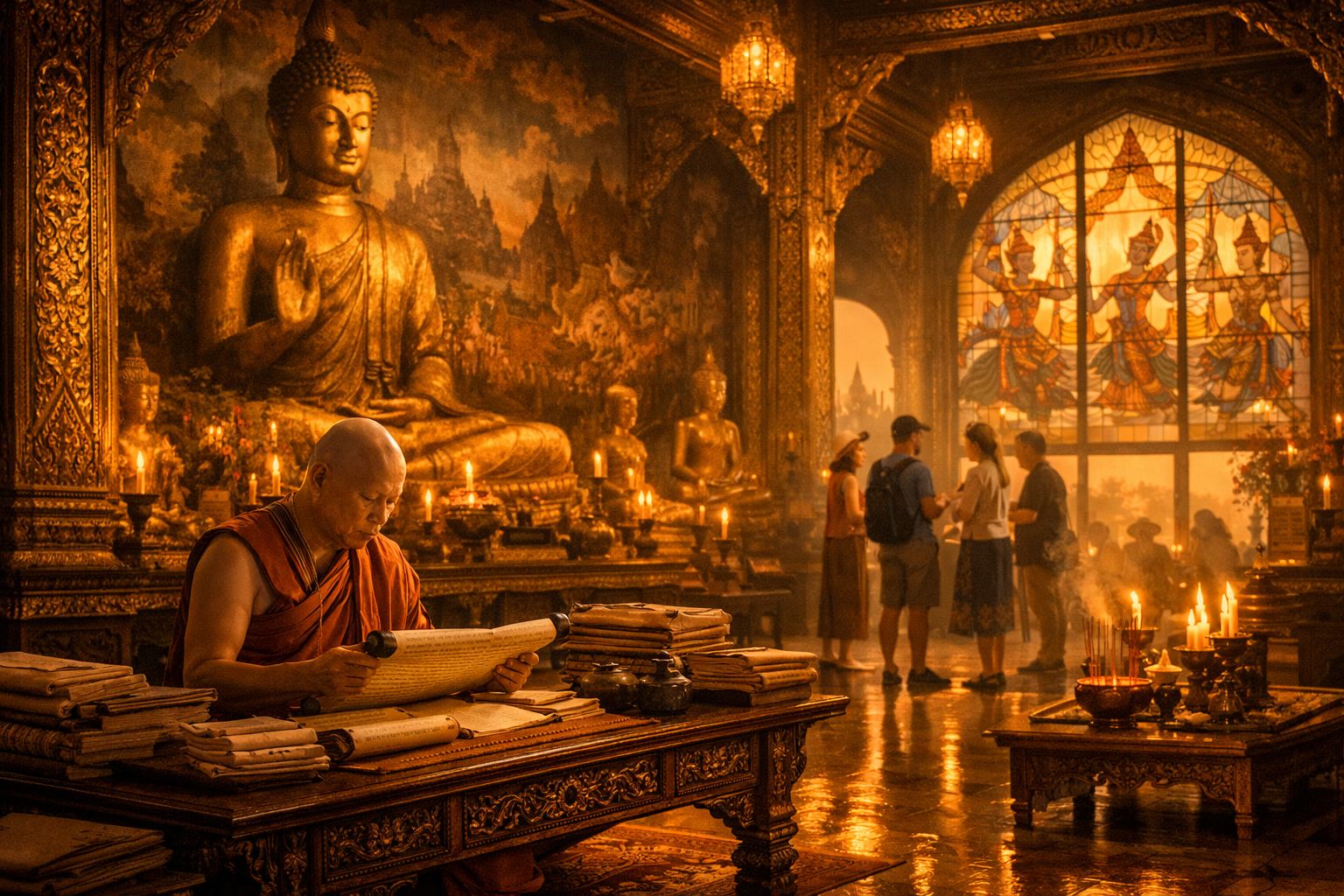
Welcome to Thailand, a land where ancient traditions seamlessly blend with modern life. One of the most captivating aspects of this vibrant country is its temples, or wats, which serve as both spiritual centers and important cultural landmarks. Whether you are planning your first visit or looking to deepen your understanding of Thai culture, exploring these sacred sites can be a profoundly enriching experience. However, without proper knowledge, it's easy to feel overwhelmed by the rituals and customs involved in visiting a Thai temple.
This guide aims to provide clear insights into the rituals and practices at Thai temples, ensuring you have an informed and respectful visit. From understanding basic etiquette to participating in meaningful ceremonies, here’s everything you need to know to make your experience both memorable and culturally enriching.
Understanding Temple Etiquette
Before diving into the specific rituals and practices, it's crucial to understand the general etiquette that is expected of visitors at Thai temples:
- Dress Appropriately: Always wear clothing that covers your shoulders and knees. This includes no sleeveless tops or shorts for men; women should avoid wearing revealing dresses.
- Remove Your Shoes: Before entering any temple buildings, remove your shoes. There are usually shoe racks outside the entrance where you can store them safely.
- Respect Silence: Keep noise levels low to maintain a respectful environment. Avoid loud conversations and ensure children do not run around or play inside temples.
Key Rituals at Thai Temples
Thai temples offer numerous opportunities for visitors to engage in traditional rituals that are deeply rooted in the Buddhist faith. These rituals not only help deepen your understanding of Buddhism but also allow you to participate actively in cultural traditions:
- Wai Khru Ceremony: This is a ritual performed by monks and laypeople as an act of respect and gratitude towards teachers or elders. As a visitor, if invited, you can join this ceremony by bowing with hands pressed together at chest level.
- Offerings to Monks: Offering food to monks during their morning alms rounds (Tak Bat) is a common practice. If you wish to participate, ensure you bring suitable offerings such as fruits or wrapped rice balls and give them directly into the monk’s bowl without touching it.
- Merit Making: This involves making donations to temples or participating in chanting sessions led by monks. Merit making can be done individually or in a group setting.
Participating in Daily Life at Thai Temples
Thai temples are not just places of worship but also centers for community activities and education. Observing these aspects can give you deeper insights into local life:
- Morning Alms Rounds: Watch as monks walk through the streets early morning, collecting offerings from villagers. This is a poignant moment that reflects the strong bond between monastic communities and laypeople.
- Chanting Sessions (Worship Services): Participate in chanting sessions or watch them if you're not comfortable joining. These services can be very moving and provide insight into Buddhist practices.
Learning from Monks
Monks are key figures at Thai temples and often serve as guardians of cultural knowledge:
- Ask Questions: If you have questions about Buddhism or temple practices, don’t hesitate to ask a monk. They are usually more than willing to share their knowledge.
- Learn About Meditation: Many temples offer meditation classes for visitors. This is an excellent opportunity to learn the basics of Buddhist meditation and its role in daily life.
Special Ceremonies and Festivals
Throughout the year, various special ceremonies and festivals take place at Thai temples:
- Songkran (Thai New Year): Celebrated in mid-April, Songkran involves water splashing as a symbol of purification. It’s one of the most lively times to visit temples.
- Loy Krathong: Held in November, Loy Krathong is a festival where people release krathongs (decorative baskets) into rivers or lakes to make merit and show gratitude for the waters.
Maintaining Respect and Reverence
While participating in these rituals can be enriching, it's important to do so with respect:
- Observe Before Participating: If you’re unsure about how a ritual is performed, observe first before joining.
- Be Mindful of Personal Space: Monks often have specific areas designated for them within the temple grounds; avoid intruding into these spaces.
Conclusion and Checklist
Exploring Thai temples provides an opportunity to engage with the vibrant tapestry of Buddhism and Thai culture. By following this guide, you can ensure that your visit is both respectful and meaningful:
- Dress appropriately and remove shoes before entering buildings.
- Participate in rituals like merit making or offering food to monks.
- Observe daily activities, such as morning alms rounds or chanting sessions.
- Learn from monks by asking questions about Buddhism and temple practices.
To sum up your visit, ensure you maintain a respectful attitude throughout. Remember, the goal is not just to observe but also to contribute positively to this rich cultural experience. Happy exploring!