Sustainable Tourism in Thailand: How to Visit Temples Responsibly
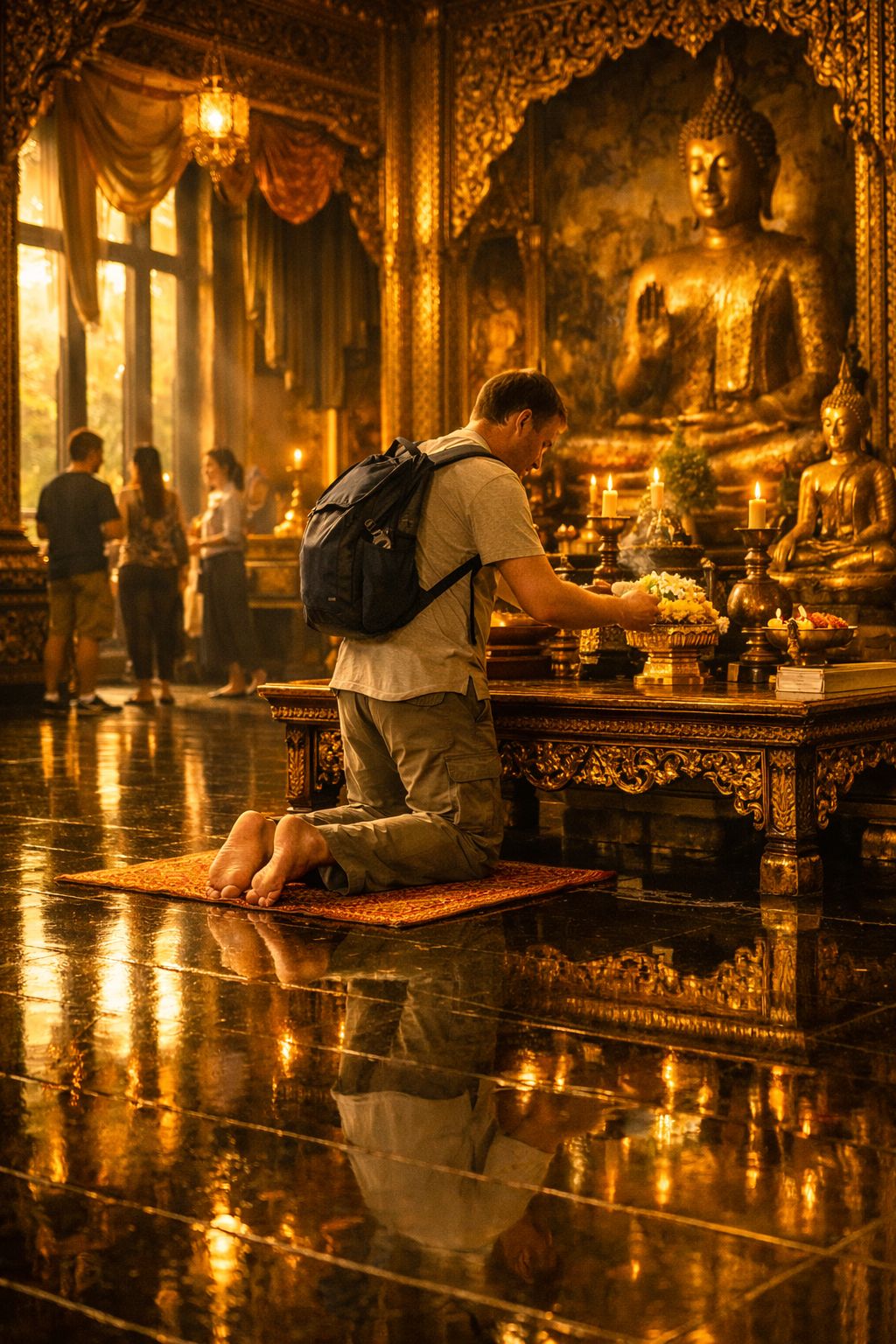
When planning a trip to Thailand, one of the highlights for many travelers is visiting its stunning temples. These ancient structures are not just architectural marvels but also hold deep cultural and spiritual significance. However, with increased tourism comes the responsibility to preserve these sites and respect local customs. Sustainable tourism practices can help ensure that future generations will be able to appreciate Thai temples as much as we do today.
This guide aims to provide practical tips on how to visit temples responsibly while making your experience enriching and memorable. Whether you're a seasoned traveler or planning your first trip, this article offers actionable advice to make your temple visits both enjoyable and respectful.
Understanding Temple Culture
Before diving into the specifics of responsible visiting practices, it’s important to understand the cultural significance of Thai temples (known as "wats"). Temples are more than just tourist attractions; they serve as religious centers where locals go for worship, meditation, and community gatherings. They often house important relics and serve as educational hubs.
Respect Local Customs
One of the most fundamental aspects of visiting a temple is showing respect to local customs and traditions. This includes dressing appropriately, speaking quietly, and avoiding behaviors that might be considered disrespectful or disruptive. Before entering any temple grounds, it’s wise to familiarize yourself with basic etiquette, such as removing your shoes before stepping inside.
Practical Steps for Responsible Visiting
Step 1: Research Your Destination
Prior to arriving at a temple, conduct thorough research about its history and customs. This not only enriches your experience but also shows respect for the site’s significance. Look up any specific rules regarding attire or behavior that might be unique to the temple you plan to visit.
Step 2: Dress Appropriately
Dress conservatively as a sign of respect. Both men and women should cover their shoulders and knees when entering temples. Avoid wearing shorts, sleeveless tops, or revealing clothing. Additionally, refrain from wearing hats inside any temple buildings.
Step 3: Remove Your Shoes
As mentioned earlier, removing your shoes is mandatory before stepping into the main areas of a temple. Look for shoe racks at the entrance where you can leave your footwear securely while exploring the premises.
Step 4: Observe Quietness and Avoid Flash Photography
Temples are places of worship and reflection; therefore, it’s crucial to maintain a quiet demeanor. Shouting or loud conversations could disturb other visitors who are there to pray or meditate. Similarly, using flash photography can be distracting for worshippers and potentially damage delicate art pieces.
Step 5: Respect the Monks
Monks in Thailand follow strict codes of conduct that prohibit physical contact with women and non-clerical men. When greeting a monk, offer a respectful wai (Thai gesture) from a slight distance rather than reaching out to shake hands or hug.
Supporting Local Communities
Visiting temples responsibly also involves supporting the local community and economy. By choosing to patronize locally owned businesses around these sites, you contribute positively to their livelihoods.
Buy Locally Made Souvenirs
Instead of purchasing mass-produced souvenirs from large stores, opt for unique items that are handcrafted by artisans in nearby villages or towns. This not only supports the local economy but also helps preserve traditional crafts.
Eat at Local Restaurants
Many temples are located near small eateries run by locals who serve authentic Thai cuisine. By eating here, you get to experience genuine flavors while contributing directly to the community’s income.
Cultural Immersion and Learning
Traveling is not just about seeing sights; it's also an opportunity to learn and grow as a person. Engage with local culture through participation in temple activities or learning more about Buddhist practices.
Participate in Ceremonies (When Appropriate)
If you’re invited to join in any ceremonies, do so respectfully by following the lead of others present. This might involve sitting quietly during chanting sessions or offering flowers as a sign of respect.
Learn Basic Thai Phrases
Learning some basic phrases in Thai can greatly enhance your interaction with locals and show them that you have taken an interest in their language and culture. Simple greetings like “sawatdee” (hello) and “kop khun khrap/khao” (thank you for a man/woman) can go a long way.
Environmental Considerations
Preserving the natural environment around temples is another crucial aspect of sustainable tourism. Many temple sites are located in areas that have significant ecological value, and maintaining this pristine state helps protect both biodiversity and historical integrity.
Follow Leave No Trace Principles
Always ensure you leave no trace at any temple site by disposing of waste properly and avoiding littering. Respect the environment by staying on designated pathways to prevent erosion or damage to vegetation.
Summary and Call-to-Action
Responsible visiting practices are essential for preserving Thailand’s rich cultural heritage while ensuring that tourism remains a positive force in local communities. By following these steps—researching your destination, dressing appropriately, respecting customs, supporting local businesses, immersing yourself in culture, and protecting the environment—you can contribute to sustainable tourism.
Remember, every small action counts towards creating a lasting impact on both the places we visit and the people who live there. Share your experiences with others through social media or travel blogs to inspire more travelers to adopt these practices during their visits.
In conclusion, let’s celebrate Thailand’s beautiful temples not only for their historical importance but also as living spaces where cultural traditions continue to thrive. By visiting responsibly, you become part of this ongoing legacy and help secure its future.