Monks and Mysticism: Life Inside Thailand's Ancient Temples
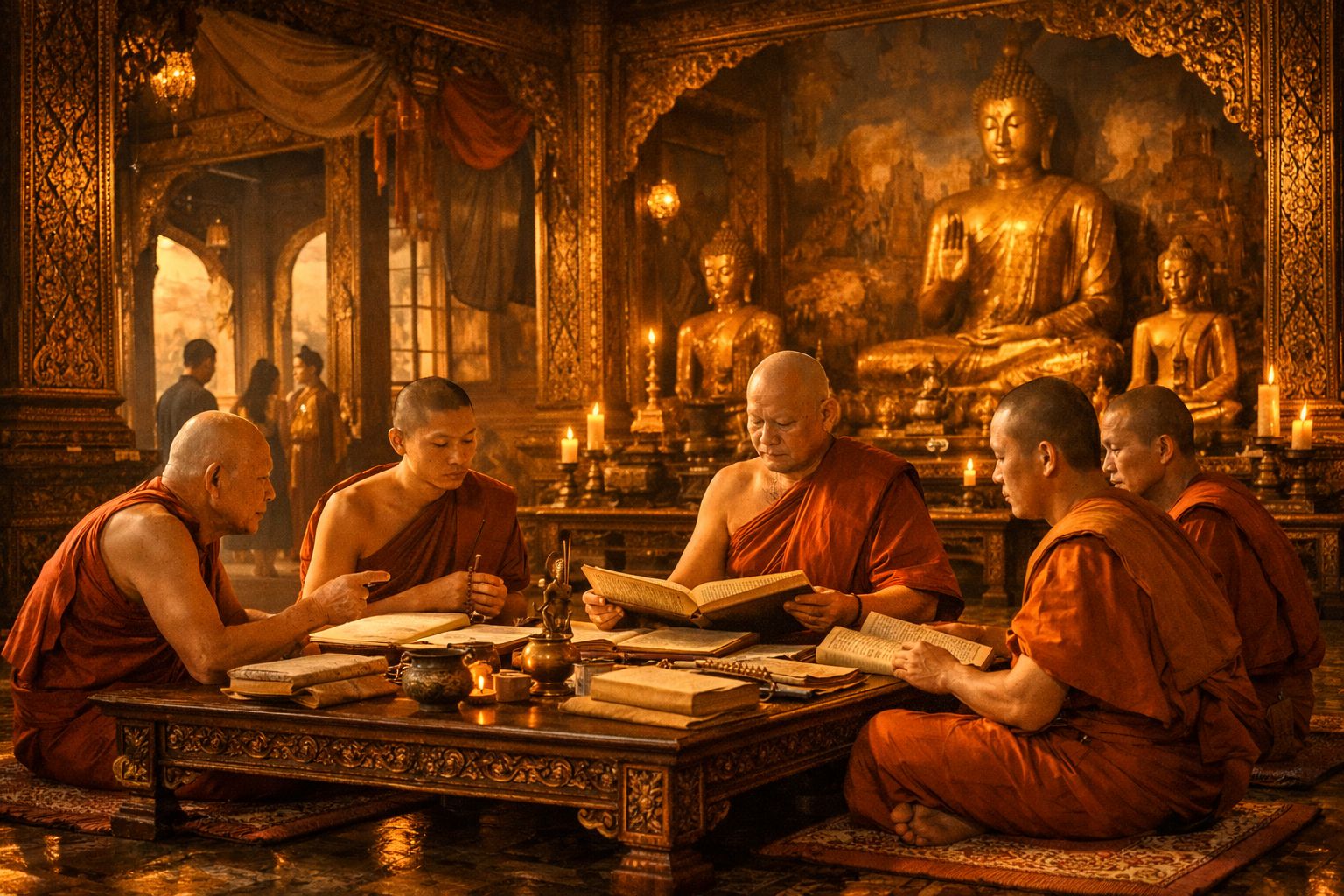
Embarking on a journey through Thailand, one cannot help but notice the striking beauty of its ancient temples. These structures are more than just tourist attractions; they are living institutions that embody centuries of spiritual practice, architectural ingenuity, and communal life. As a traveler or cultural enthusiast, you might wonder what it’s like to experience life inside these holy places, from the daily routines of monks to the mystical practices that have been handed down through generations. This guide is your key to understanding and respecting Thailand's temple culture.
Understanding the Role of Monks
Monks in Thai temples, known as bhikkhus, play a vital role not just within the religious community but also in broader society. They are responsible for conducting daily prayers, performing rituals during important festivals, and teaching Buddhist principles both inside and outside the temple walls. To truly appreciate their work, it's essential to understand that monks live by specific rules and practices.
Step-by-Step Guide to Interacting with Monks
- Approach Respectfully: Always approach a monk with your hands pressed together in prayer position at chest level. This gesture, known as wai, shows respect.
- Do Not Touch: Never touch a monk. In Thai culture, touching is considered disrespectful and can disrupt the purity they strive to maintain.
- Avoid Physical Contact with Female Monks (Nuns): There are strict rules about physical contact between monks and women. If you need to give something to a nun, it’s best done through a third party or left nearby for them to collect later.
- Speak Gently: Use soft tones when speaking to monks; loud noises can be disruptive in the serene environment of a temple.
- Listen More Than You Talk: Monks are often approached for advice and wisdom. Be prepared to listen more than you speak, absorbing their teachings rather than dominating conversations.
Daily Life Inside Thai Temples
A typical day inside a Thai temple begins early with morning prayers at dawn. These ceremonies involve chanting, meditation, and offerings of food and flowers. Afterward, monks spend much of the day in study or teaching, followed by lunchtime, which is usually the only meal of the day for many monks.
Tips on Observing Temple Life
- Arrive Early: Be present at dawn to witness morning prayers; it’s a serene experience that captures the essence of temple life.
- Be Patient and Quiet: During meditation sessions or private monk teachings, maintain silence. Observers are usually welcome but should remain inconspicuous.
Mystical Practices and Rituals
Thailand's temples are not just about daily routines; they also host a variety of mystical practices and rituals that hold significant cultural value. From candlelit ceremonies to water blessings during the Songkran festival, these events offer deep spiritual experiences for both locals and visitors.
How to Participate in Mystical Practices
- Learn About Local Festivals: Familiarize yourself with important festivals like Loy Krathong or Makha Bucha Day. These times are rich in rituals that can be deeply engaging.
- Ask Permission: If you wish to participate in a ritual, ask the temple authorities for permission beforehand.
- Dress Appropriately: When attending any ceremony, dress modestly. Cover your shoulders and knees as a sign of respect.
- Understand the Rituals: Before participating, try to understand what each ritual signifies. This knowledge enhances your experience and shows respect for the culture.
Exploring Thailand's Most Iconic Temples
Several temples stand out in Thailand due to their architectural beauty or historical significance. Wat Phra Kaew in Bangkok is home to the Emerald Buddha, while Wat Arun is renowned for its stunning architecture. Visiting these places allows you not only to witness daily life but also to appreciate the artistic and cultural achievements of Thai Buddhism.
Checklist Before Your Temple Visit
- Respectful Attire: Wear clothes that cover your shoulders and knees.
- Wai Properly: Practice how to wai before visiting temples.
- Silence During Ceremonies: Remember to be quiet during prayers or meditation sessions.
- Ask About Rules: Always inquire about specific rules at each temple before participating in activities.
Conclusion
Exploring the life inside Thailand’s ancient temples is a profound journey into the heart of Thai culture and spirituality. By respecting the traditions, understanding the daily lives of monks, and engaging respectfully with mystical practices, you can gain invaluable insights while preserving the sanctity and serenity of these holy places. Each visit offers an opportunity to deepen your appreciation for Buddhism's rich heritage in Thailand.
Call-to-Action
Next time you plan a trip to Thailand, consider visiting one or more temples not just as a tourist but as someone eager to learn and respect this unique way of life. It’s an experience that can enrich your understanding of the world around you.