Buddhist Festivals in Thailand: Celebrations and Traditions
Buddhism is deeply embedded into Thai culture, influencing daily life, traditions, and festivals. For those intrigued by the profound influence of Buddhism on Thai society or planning a visit during one of these significant events, understanding the celebrations can enrich your experience immensely. This guide aims to provide insights into Thailand's major Buddhist festivals, detailing their origins, significance, and how you can participate in or observe them respectfully.
Understanding the Role of Buddhism in Thai Life
Before delving into specific festivals, it’s crucial to understand why these events are so important. Over 95% of Thais identify as Buddhist, making it not just a religion but an integral part of the cultural fabric. Temples (wats) dot the landscape, and daily rituals like almsgiving in morning markets highlight how intertwined Buddhism is with everyday life.
Major Festivals and Their Significance
Songkran: The Thai New Year Festival
When: Typically mid-April What to Expect: Celebrated nationwide, Songkran marks the traditional Thai New Year. Water is a central element, symbolizing purification and cleansing of sins from the previous year.
- Actionable Tips for Visitors:
- Participate in water fights but be mindful not to drench elderly people or those who are unwilling.
- Visit temples early morning for merit-making rituals like offering food to monks.
- Wear old clothes, as you will likely get wet!
Loy Krathong
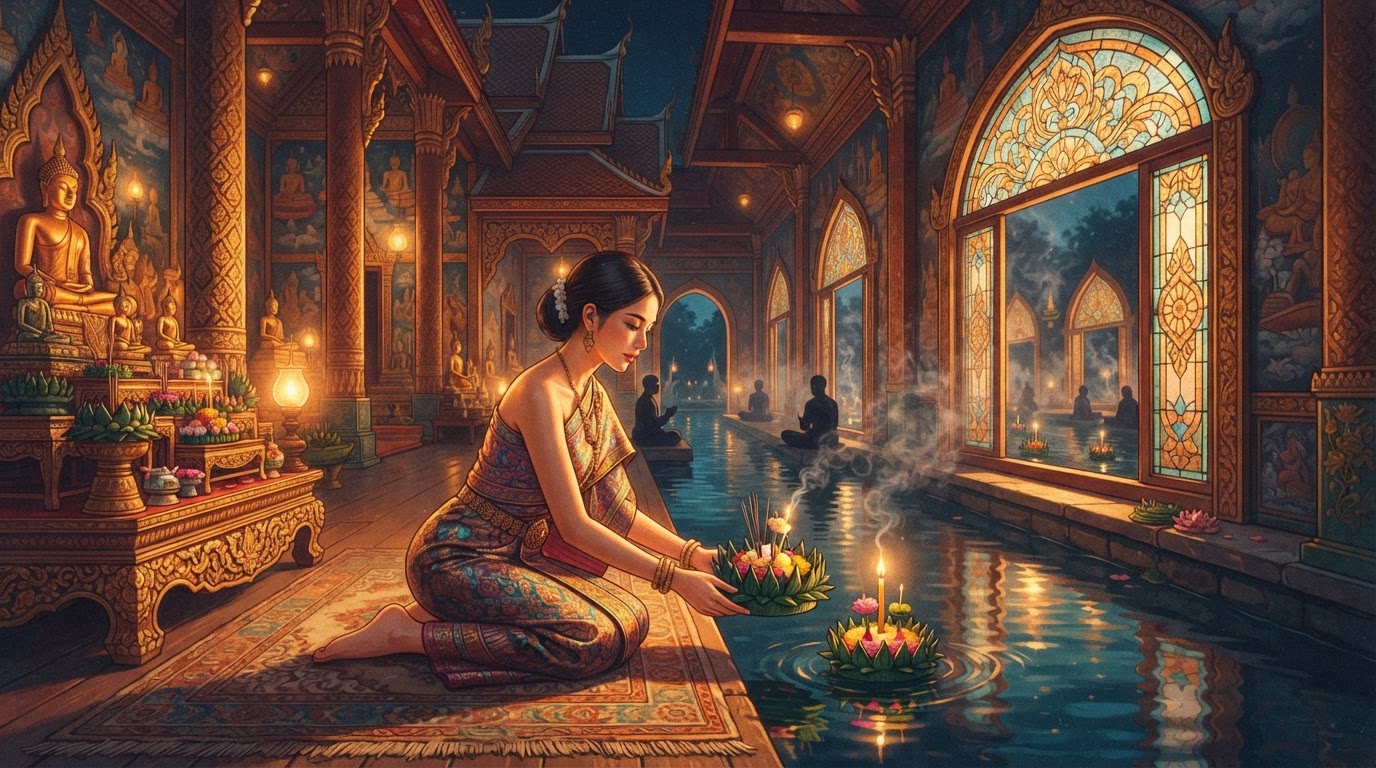
When: Full moon night of the twelfth lunar month (usually November) What to Expect: Loy Krathong is about gratitude and reflection. People light up small banana-leaf boats with candles and incense sticks, making wishes before releasing them into rivers or canals.
- Actionable Tips for Visitors:
- Join locals in floating your krathong, but remember to use eco-friendly materials.
- Attend the Loy Krathong processions where beautifully decorated floats parade through town.
- Enjoy traditional performances and games that accompany the festival.
Makha Bucha Day
When: Full moon of the third lunar month (February or March) What to Expect: This day commemorates a key event in Buddha’s life, when he preached his fundamental teachings. It is marked by special alms-giving ceremonies and candlelight processions around temples.
- Actionable Tips for Visitors:
- Participate in the candlelight procession; it's a solemn and beautiful ritual.
- Try vegetarian meals as part of the merit-making activities.
- Observe the day with respect; some Thais abstain from drinking alcohol and watching TV on this day.
Visakha Bucha Day
When: Full moon of the sixth lunar month (May or June) What to Expect: Celebrated widely, this festival marks three important events in Buddha’s life: his birth, enlightenment, and passing into Nirvana. It is a day of reflection and meditation for Buddhists.
- Actionable Tips for Visitors:
- Attend dawn prayer services at temples.
- Join the candlelight procession if you’re near a temple that hosts one.
- Engage in merit-making activities like giving food to monks or releasing fish into water bodies.
Lesser-Known Festivals Worth Discovering
Asanha Bucha
When: Full moon of the eighth lunar month (July) What to Expect: This festival commemorates Buddha’s first sermon, which laid down the basic principles of Buddhism. It involves meditation and chanting sessions in temples.
- Actionable Tips for Visitors:
- Attend the candlelight procession at Wat Phra Kaew in Bangkok.
- Participate in community service activities that many temples organize on this day.
Khao Pansa (Buddhist Lent)
When: Starts from the full moon of the eighth lunar month What to Expect: Known as Buddhist Lent, monks retreat into monasteries for three months of intensive meditation and study. The period signifies spiritual renewal and stricter adherence to rules.
- Actionable Tips for Visitors:
- Visit temples that welcome visitors; many conduct special chanting sessions.
- Engage in merit-making activities as the spirit of generosity is emphasized during this time.
Participation and Respect
Participating in these festivals can be a deeply enriching experience. However, it’s crucial to approach them with respect for local customs:
- Always dress modestly when visiting temples.
- Avoid loud or disruptive behavior, especially around religious ceremonies.
- Learn basic Thai phrases; simple greetings like “Sawasdee” (hello) go a long way in showing cultural sensitivity.
Summary and Checklist
Understanding these festivals not only provides an insight into the spiritual fabric of Thailand but also offers a unique lens to experience its culture. Whether you’re planning to celebrate or merely observe, here’s what you should remember:
- Respect Local Customs: Always dress modestly and behave respectfully.
- Participate Mindfully: Join in activities like water fights during Songkran with awareness of others’ boundaries.
- Learn and Engage: Take the time to understand each festival’s significance; it enhances your experience.
By immersing yourself in these rich traditions, you’ll not only witness spectacular celebrations but also gain a deeper appreciation for Thai Buddhist culture. Whether planning a visit or simply looking to learn more about Buddhism in Thailand, this guide serves as a starting point to delve into the profound and beautiful world of Thai festivals.