Impact of Buddhism on Thai Culture and Daily Life
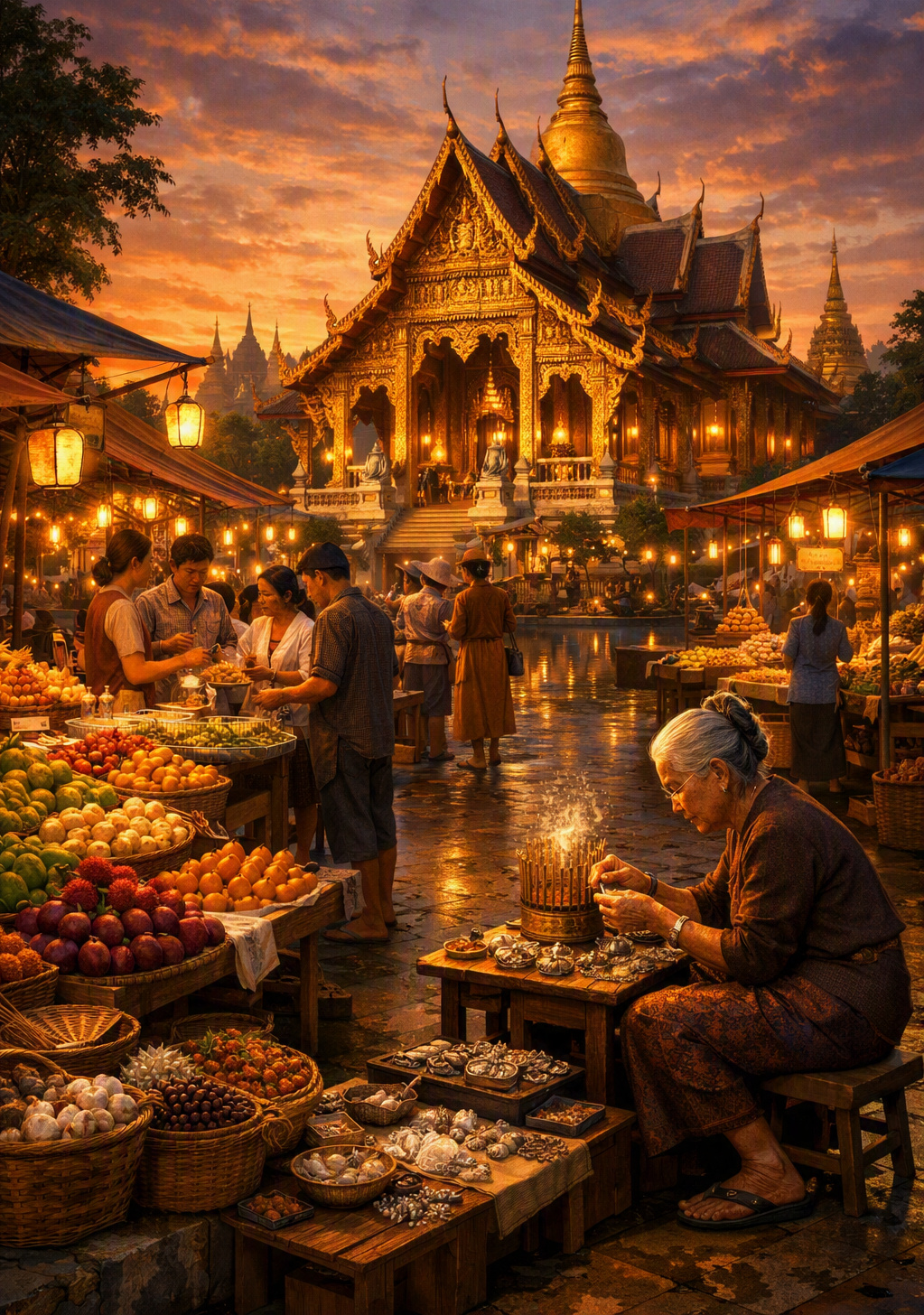
Understanding the profound influence of Buddhism in Thailand is like peeling back layer after layer to uncover the essence of its culture, traditions, and daily life. This guide aims to illuminate how Buddhism has shaped modern-day Thailand through a practical exploration of its beliefs, practices, and impact.
The Question: How does Buddhism play an integral role in shaping Thai society today? For travelers and locals alike, understanding this connection can transform your experience from simply visiting a place to truly understanding it. Let’s delve into the rich tapestry of Buddhist influence across various aspects of Thai life.
Historical Context: Roots Deeply Planted
Buddhism was introduced to Thailand in 329 AD during the reign of King Asoka, who sent missionaries to spread the teachings throughout Southeast Asia. Over centuries, it has evolved and merged with local customs to form a unique identity known as Theravada Buddhism. This branch emphasizes individual liberation through meditation and adherence to the Buddha’s teachings.
Step-by-Step: Exploring Monasteries
To truly grasp this historical significance, take time to visit some of Thailand's most revered monasteries: 1. Wat Phra Kaew (Temple of the Emerald Buddha) in Bangkok—home to the sacred Emerald Buddha statue. 2. Wat Doi Suthep near Chiang Mai—an iconic temple offering breathtaking views and a spiritual atmosphere.
Daily Life: Rituals and Customs
Buddhist practices are deeply ingrained in daily Thai life, influencing behavior, etiquette, and even greetings. The traditional greeting of “wai” is not just a nod but a sign of respect often associated with the Buddha’s teachings on humility and kindness.
Tips for Engaging Respectfully
- Learn to Wai: Place your hands together at chest level and bow slightly when meeting someone.
- Respect Monks: If you see monks in the streets, give way and avoid standing higher than them as a sign of respect.
Cultural Festivals: Celebrating Faith and Community
One cannot speak of Buddhism’s impact without mentioning the cultural festivals that punctuate Thai calendars. Songkran (New Year), Loy Krathong (Festival of Lights), and Makha Bucha Day are just a few examples where Buddhist teachings blend with community festivities.
How to Participate:
- Songkran: Join in the water throwing fun, but be mindful; it’s more than just splashing water—it symbolizes cleansing.
- Loy Krathong: Make your own krathong (banana-leaf boat) and release it into a river or lake with wishes for loved ones.
Architecture: Temples as Cultural Centers
Buddhist temples, known as wats, are architectural marvels that reflect the nation’s spiritual heritage. They serve not only as places of worship but also as community centers where important events take place.
Exploring Wat Artistry:
- Wat Phra That Doi Kham: Known for its golden stupa surrounded by a forest.
- Wat Chedi Luang: A grand temple in the old city of Chiang Mai, featuring stunning architectural designs.
Education: Monastic Schools and Learning
Monasteries often serve as educational centers where children learn not only religious texts but also basic literacy and numeracy. This tradition continues today with many modern schools incorporating Buddhist principles into their curriculum.
Visiting a Monastic School:
- Look for opportunities to observe classes or participate in community projects organized by these schools.
- Engage directly with the monks; they are often willing to share insights on education within the monastic framework.
Modern Challenges and Adaptations
As Thailand modernizes, Buddhism faces new challenges but also adapts. Contemporary Buddhist teachings address issues like environmental conservation, social justice, and mental health, aligning traditional values with current societal needs.
Staying Informed:
- Follow local news or visit websites dedicated to contemporary Thai Buddhism.
- Engage in discussions on forums where locals share their views on how Buddhism is evolving in today’s context.
Conclusion: Reflecting On Your Journey
Understanding the deep-rooted influence of Buddhism in Thailand can enrich your experience, whether you are a curious traveler or someone looking to deepen your knowledge. By engaging respectfully with its traditions and participating in cultural practices, you gain insight into what makes Thai culture so uniquely captivating.
Checklist for Remembering Key Points:
- Visit significant Buddhist temples.
- Learn and practice respectful greetings (like wai).
- Participate in major Buddhist festivals with an open mind.
- Explore the architecture of ancient wats.
- Engage with local monastic schools if possible.
- Stay informed about contemporary issues within Thai Buddhism.
Call-to-Action:
Embark on this journey of discovery. Every step you take, every temple you visit, and every festival you attend contributes to a deeper appreciation of Thailand’s spiritual fabric woven tightly around the teachings of Buddha.