Preserving Ancient Wisdom: Buddhist Heritage Sites in Thailand
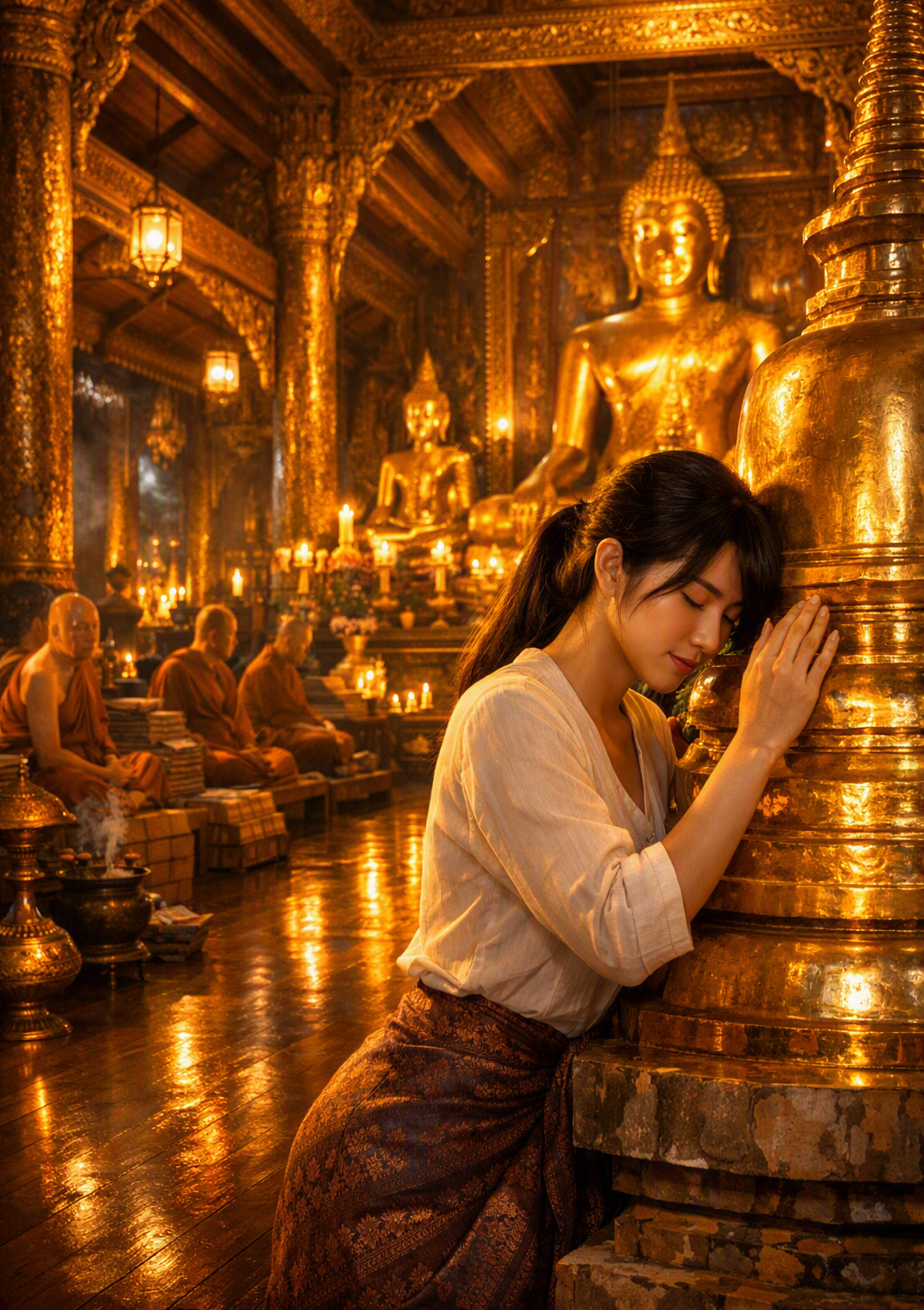
Traveling through Thailand offers more than just sun, sand, and smiles; it’s also a journey into the heart of Southeast Asia’s rich spiritual heritage. Buddhism is not just a religion but an integral part of Thai culture and daily life. For those eager to explore this ancient wisdom and connect with the serene beauty of Buddhist temples and monasteries, understanding how to navigate these sites respectfully and meaningfully can greatly enhance your experience.
Understanding Thailand's Buddhist Heritage
Buddhism in Thailand is primarily represented by Theravada Buddhism, which arrived from Sri Lanka over 200 years ago. Today, it remains a cornerstone of Thai society, with nearly all Thais practicing some form of the religion and many temples serving as community centers. For visitors, this heritage is not just historical but also an opportunity to witness living traditions.
Step-by-Step Guide to Exploring Buddhist Heritage Sites
1. Prepare Your Visit
Before setting foot in any temple or monastery, it’s essential to prepare yourself both mentally and physically for the experience. Here are a few tips: - Dress Appropriately: Cover shoulders and knees as a sign of respect. Avoid revealing clothing like tank tops or shorts. - Remove Footwear: Shoes should be removed before entering temples, shrines, and some rooms within monasteries. Keep your footwear clean to avoid dirtying the floors you step on.
2. Approach with Respect
Approaching a temple requires a respectful demeanor: - Silence is Golden: Speak softly inside temples as it’s often a place of quiet reflection. - Do Not Touch Statues or Offerings: Handle sacred objects only if directed by a monk or guide, and always respectfully.
3. Engage with Monks and Lay People
Engaging with monks can be an enriching experience: - Ask Before Taking Photos: Some temples may restrict photography, especially in areas where people are praying. - Be Mindful of Offerings: If participating in offering ceremonies (such as alms-giving), follow the lead of locals or guides on how to proceed.
Must-Visit Buddhist Heritage Sites
Wat Phra Kaew and Grand Palace
Located in Bangkok’s historic center, this complex houses the famous Emerald Buddha. The temple is not just a religious site but also a stunning architectural masterpiece that symbolizes Thai royal power and Buddhist devotion.
Wat Arun (Temple of Dawn)
A key landmark in Bangkok, Wat Arun is known for its vibrant colors and intricate porcelain tiling. It offers a panoramic view of the Chao Phraya River and city skyline.
Wat Phra That Doi Suthep
In Chiang Mai, this temple sits atop a mountain overlooking the valley. The temple’s architecture reflects Lanna style with beautiful golden chedis (stupas) that house relics of Buddha.
Tips for Spiritual Reflection
- Join Morning Prayers: Many temples host morning prayer sessions where you can witness locals in deep devotion.
- Meditation Sessions: Some temples offer meditation classes to visitors. Even if formal, these are often peaceful environments conducive to reflection and learning.
The Role of Monks and Lay People
Understanding the roles within Buddhist communities can deepen your visit: - Monks (Phra): Monks dedicate their lives to spiritual practice and study. They are respected figures in Thai society. - Lay People: Many Thais, while not monks, actively participate in temple life through donations, volunteering, or attending religious ceremonies.
Conclusion: Preserving the Legacy
Exploring Buddhist heritage sites is more than tourism; it’s a journey into the spiritual heart of Thailand. By visiting these places with respect and mindfulness, you contribute to preserving this ancient wisdom for future generations.
Checklist for Your Next Visit
- [ ] Dress appropriately (cover shoulders and knees)
- [ ] Remove shoes before entering temples
- [ ] Be quiet inside temple grounds
- [ ] Ask permission before taking photos
- [ ] Engage respectfully with monks or lay people
Embark on your spiritual journey through Thailand’s Buddhist heritage, respecting the traditions that have shaped this vibrant culture for centuries.