Understanding Thai Buddhist Practices and Rituals
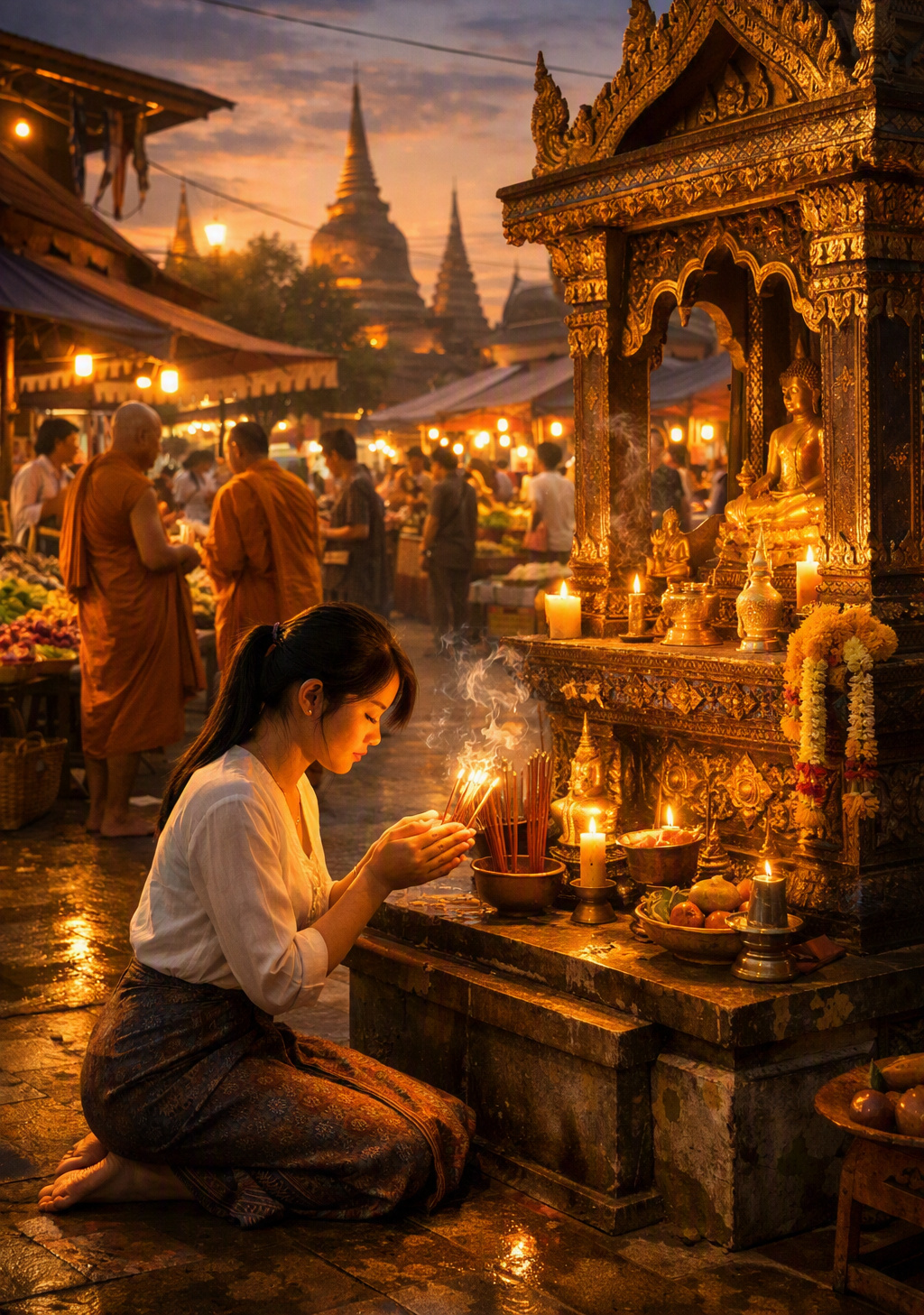
Buddhism has been a cornerstone of Thai culture for over 700 years, deeply influencing daily life, festivals, and the overall way of thinking in Thailand. For anyone visiting or interested in this vibrant Southeast Asian country, understanding Thai Buddhism can enhance your experience immeasurably, offering insights into the spiritual fabric that binds Thai society together.
Why Understanding Thai Buddhist Practices Matters
Imagine you're wandering through a bustling market in Bangkok and notice locals lighting incense sticks at small shrines. Or perhaps you're visiting an ancient temple in Ayutthaya and see monks engaged in rituals you don’t quite understand. These moments can be rich with meaning if you have some understanding of the practices and beliefs behind them.
Thai Buddhism, a blend of Mahayana, Theravada, and indigenous animist traditions, is more than just a religious practice; it’s a way of life that shapes everything from personal conduct to community structures. Knowing about these customs can help you navigate social interactions, respect local norms, and appreciate the depth of Thai culture.
Key Concepts in Thai Buddhism
The Four Noble Truths
At its core, Buddhism teaches the Four Noble Truths: suffering exists (dukkha), suffering arises from craving or attachment (tanha), there is a way to end suffering, and that way is through the Eightfold Path. This path includes right understanding, intention, speech, action, livelihood, effort, mindfulness, and concentration.
Reincarnation and Karma
In Thai Buddhism, karma plays a significant role in determining one’s future rebirths. Good deeds lead to better rebirths, while bad actions may result in less favorable circumstances in the next life. This belief encourages moral behavior and community harmony.
Daily Practices of Thai Buddhists
Morning Alms Giving (Tak Bat)
In many Thai communities, monks walk through streets early in the morning collecting alms from devotees. Participating in Tak Bat is a way to gain merit and support monastic communities.
How You Can Participate:
- Wake up early and find out where the alms-giving takes place.
- Offer food or small necessities to the monks as they walk by.
- Maintain silence and show respect; avoid touching or eye contact with monks.
Daily Temple Visits
Visiting a temple (wat) is common practice among Thais, whether for daily prayers or special occasions. Temples are places of tranquility where people can meditate, pray, or simply enjoy the serene environment.
Tips for Visitors:
- Dress modestly—shoulders and knees should be covered.
- Remove shoes before entering temple buildings.
- Do not point your feet at Buddha statues, as it’s considered disrespectful.
Special Rituals and Festivals
Songkran (Thai New Year)
Songkran is a time of cleansing, renewal, and fun. Water fights symbolize washing away bad luck from the previous year. Temples host special rituals where devotees pour water on monks' hands for blessings.
Participating in Songkran:
- Join local communities to offer alms.
- Visit temples early in the morning for special prayers.
- Get ready for some playful drenching!
Loy Krathong
This festival celebrates gratitude and forgiveness towards the river goddess, Mae Nam Khong. People release floating baskets (krathongs) adorned with flowers and candles into rivers to symbolize letting go of past grievances.
How to Celebrate:
- Buy or make your own krathong at local markets.
- Place it in the water during a full moon night, often accompanied by prayers for good fortune.
Engaging Respectfully with Thai Buddhist Culture
Attending Temple Ceremonies
Temples host various ceremonies throughout the month, including ordinations and chanting sessions. Observing these can deepen your understanding of Buddhism’s role in daily life.
How to Attend:
- Inquire at the temple about upcoming events.
- Join quietly if possible; some rituals are strictly for devotees.
Supporting Monks
Monks rely on the community for their needs, and supporting them is considered a virtuous act (merit-making). You can contribute by donating food or other necessities during Tak Bat.
Supporting Monks:
- Prepare simple vegetarian dishes that monks can consume.
- Respectfully offer donations without expecting something in return.
Conclusion
Thai Buddhism offers a window into the heart of Thai culture, revealing its values and traditions. By understanding and participating respectfully in these practices, you not only enrich your own experience but also contribute positively to the community’s spiritual fabric.
Checklist for Engaging with Thai Buddhist Practices
- Understand basic concepts like the Four Noble Truths and karma.
- Participate in daily rituals like Tak Bat or temple visits.
- Join special festivals such as Songkran or Loy Krathong.
- Show respect by dressing appropriately and following local customs at temples.
- Support monks through donations of food or necessities.
By approaching Thai Buddhism with an open mind and respectful heart, you’ll gain a deeper appreciation for this ancient faith and its enduring influence on modern Thailand.