The Role of Monks in Thai Society Today
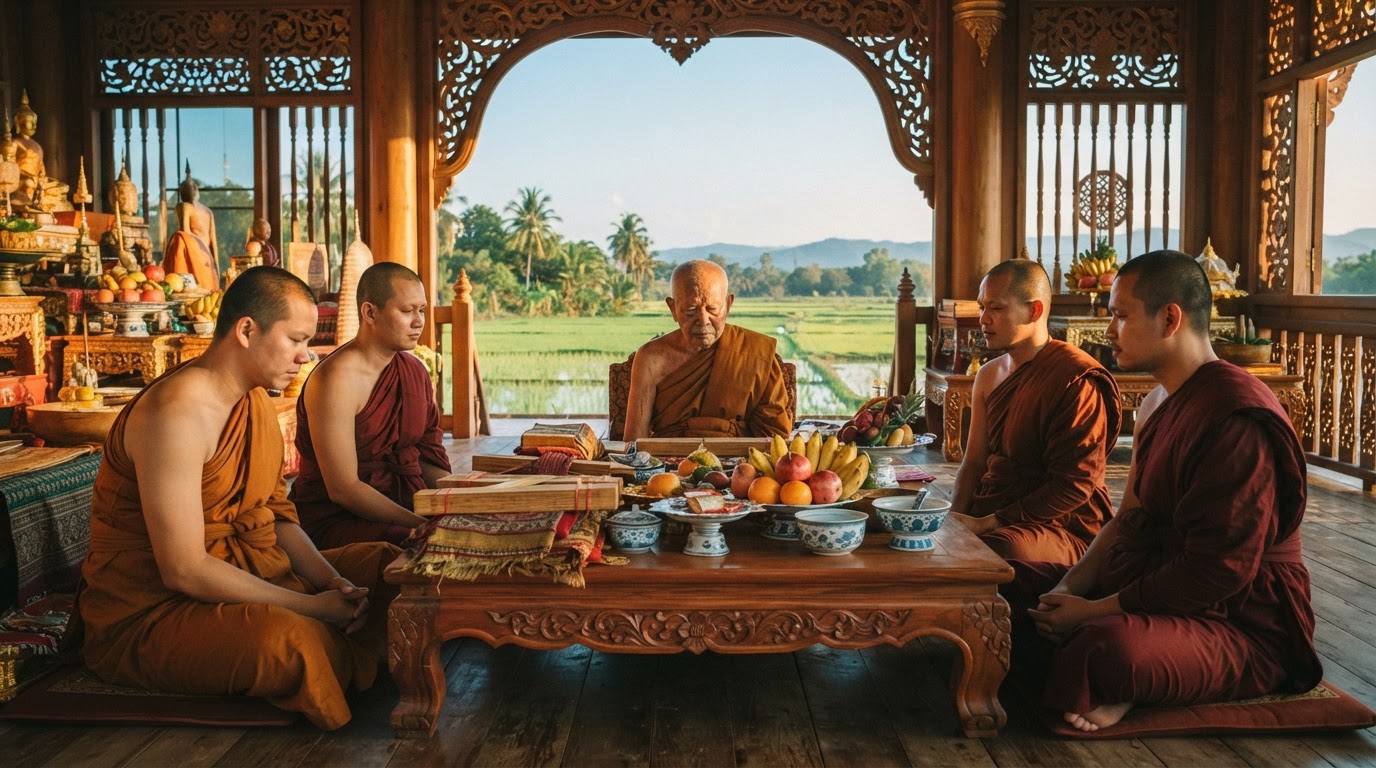
In many parts of the world, monks are seen as figures who live within a cloistered community, detached from the secular life of their fellow citizens. However, in Thailand, the relationship between Buddhism and society is much more intertwined, with Buddhist monks playing a significant role not just in spiritual guidance but also in social welfare, education, and cultural preservation. If you’re planning to visit or are curious about Thai culture, understanding the role of monks can provide profound insights into the fabric of daily life.
Understanding Monks’ Spiritual Role
Monks, known as bhikkhus, occupy a central place in Buddhist practice within Thailand. Their primary purpose is to lead a life devoted to meditation and study, aiming to achieve enlightenment, or Nirvana. They renounce material possessions, live simply, and follow the Vinaya (Buddhist monastic code), which includes over 200 rules for their conduct.
Step-by-Step Guide to Engaging with Monks Spiritually
- Visit a Temple: Temples, or wats, are not only places of worship but also centers for community activities. Plan your visit during morning hours when monks typically have alms rounds.
- Participate in Offerings: Visitors can participate by offering food and flowers to the monks. This act is seen as a way to accumulate merit.
- Attend Sermons: Many temples offer Dharma talks, which are discourses on Buddhist teachings. These sessions provide valuable insight into the monastic life and philosophy.
- Engage in Meditation: Monks often lead meditation sessions within their communities, providing a tranquil environment for spiritual practice.
Social Welfare: Monks as Community Servants
Beyond their spiritual roles, monks contribute significantly to social welfare. They are often involved in charitable works such as distributing food and supplies during natural disasters, operating schools, and even managing medical clinics.
Tips on Participating in Social Work with Monks
- Volunteer at Wat-Based Projects: Many temples have projects aimed at helping the community. Contact local wats to inquire about volunteer opportunities.
- Support Education Initiatives: Some monks operate schools for underprivileged children. Consider donating supplies or even volunteering as a teacher.
- Contribute During Disasters: In times of need, such as floods and droughts, monks often organize relief efforts. You can support these by contributing funds or goods directly to the temples involved in aid distribution.
Cultural Preservation: Monks as Custodians
In Thailand, monasteries are not just religious institutions but also centers for preserving cultural heritage. They house ancient manuscripts, art, and artifacts. Monks play a crucial role in maintaining and interpreting these treasures, ensuring that Thai culture continues to thrive.
How You Can Be Involved in Cultural Preservation
- Attend Festivals: Many temple festivals involve performances of traditional music, dance, and plays. Participating can deepen your appreciation for local arts.
- Learn from Monks: Some monks offer courses or informal talks on Thai history and culture. Engaging with these sessions can be a profound way to learn.
- Visit Temple Libraries and Museums: Many wats have libraries and small museums. Take the time to explore these and perhaps volunteer in maintaining collections if possible.
Conclusion: A Balanced Perspective
The role of monks in Thai society is multifaceted, encompassing spiritual leadership, social service, and cultural stewardship. Their influence extends far beyond religious practices, making them integral to the daily life and well-being of the community.
Checklist for Understanding Monks’ Role
- Visit a Temple: Experience the daily activities at a wat.
- Engage in Offerings: Participate in merit-making by offering alms.
- Attend Sermons or Meditation Sessions: Gain deeper insight into Buddhist teachings.
- Volunteer with Social Projects: Support social welfare efforts led by monks.
- Explore Cultural Preservation Efforts: Learn about and support cultural activities.
By engaging in these activities, you not only gain a richer understanding of Thai Buddhism but also become part of the vibrant community that honors tradition while striving towards enlightenment and societal well-being.